⚡ Quick Answer
Taking care of a dog means meeting six daily needs: fresh water available at all times, measured meals 1–2 times daily (portion control is the single most impactful thing you can do for a dog’s long-term health — obesity shortens lifespan by 2–3 years), daily exercise matched to breed and age, mental stimulation through training or enrichment, a brief daily health check (eyes, ears, coat, paws), and consistent routine. Annual veterinary care — wellness exam, vaccinations, parasite prevention — is the non-negotiable foundation that everything else builds on.
💡 Expert Tip
Weigh your dog monthly and adjust food portions accordingly. Most owners estimate their dog’s weight by feel and are consistently 10–20% off. A proper body condition score check at home: standing above the dog, you should see a visible waist; from the side, a slight tuck behind the ribs. Running your hands along the ribcage — ribs should be easily felt but not visible. If you cannot feel the ribs, your dog is overweight and portion reduction is the most urgent health action to take.
📋 Table of Contents
- The Complete Daily Dog Care Checklist
- Dog Nutrition — What to Feed and How Much
- Exercise Requirements by Breed Type
- Grooming — What Every Dog Needs
- Vet Care Schedule — Annual to Senior
- Training Fundamentals Every Dog Needs
- Mental Health and Enrichment
- Setting Up the Ideal Dog Home Environment
- 10 Signs Your Dog Needs a Vet Right Now
- Your Complete Annual Dog Care Calendar
- Topic Deep-Dive Guides
- Frequently Asked Questions
Knowing how to take care of a dog properly is one of the most rewarding things you can invest your time in — and one of the most misunderstood. Millions of dog owners provide the basics — food, water, walks — and genuinely believe they are covering everything their dog needs. Yet veterinary surveys consistently show that the majority of dogs lack adequate dental care, receive insufficient mental stimulation, or are living with unidentified chronic health conditions because preventive care is not structured into their routine.
This complete guide covers every pillar of responsible dog ownership in 2026: daily care, nutrition, exercise, grooming, preventive veterinary care, training, mental health, and the specific warning signs that every owner needs to recognise. Whether you are a first-time dog owner or an experienced handler refreshing your knowledge, this is the most comprehensive, actionable dog care guide we have produced — and every section links to expert deep-dive articles where you can go further.
🐾 Dog Care at a Glance
A well-cared-for dog needs: fresh water always available, 2 balanced meals daily (adults), 30–90 minutes of exercise by breed type, positive interaction and training every day, grooming on a coat-appropriate schedule, annual veterinary check-up with bi-annual for seniors, dental care 3–5 times weekly, mental enrichment daily, and a consistent, predictable routine that gives them security. Every one of these pillars matters — weakness in one creates knock-on health or behaviour problems in others.
The Complete Daily Dog Care Checklist

The foundation of caring for a dog is a consistent daily routine. Dogs thrive on predictability — it reduces anxiety, supports digestion, and underpins training. Here is the gold-standard daily checklist for every dog owner:
🌅 Every Morning
- Fresh water in a clean bowl
- Morning meal — measured portion
- Morning walk or outdoor time
- Quick visual health check — eyes, coat, gait
- 5–10 min training or interaction session
- Check medication if applicable
🌞 During the Day
- Midday toilet break if home alone 5+ hours
- Puzzle feeder or enrichment toy if alone
- Afternoon play or activity session
- Refresh water bowl
- Check on unusual behaviour or symptoms
🌙 Every Evening
- Evening meal — measured portion
- Main exercise walk of the day
- Grooming session (coat-type dependent)
- Teeth brushing (3–5x per week minimum)
- Pre-bed toilet break
- Calm wind-down — consistent bedtime routine
Dog Nutrition — What to Feed and How Much
The most fundamental aspect of how to take care of a dog is feeding them correctly. Dog nutrition is more complex than most food labels suggest — the right food for a 3kg Chihuahua is not the same as the right food for a 35kg Labrador, and the right food for a 2-year-old dog is not the right food for a 10-year-old dog of the same breed.
The 5 Essential Nutrients Every Dog Needs
Protein
Builds and repairs muscle. Named animal protein (chicken, beef, salmon) should be the first ingredient.
Fat
Energy source, supports coat, brain, and hormone function. Omega-3 and Omega-6 ratio matters.
Carbohydrates
Energy and digestion. Quality grains (rice, oats) are well-tolerated; grain-free is rarely necessary.
Vitamins
A, D, E, K, B-complex — all required in correct ratios. Complete and balanced food provides these.
Minerals
Calcium, phosphorus, zinc, iron — bone health, immune function. Balance matters more than quantity.
How to Choose the Right Dog Food
- Look for AAFCO “complete and balanced” statement on the label — this means the food meets minimum nutritional standards for the stated life stage
- Named animal protein as first ingredient: “Chicken” not “chicken by-product meal” or “meat meal” — the more specific, the higher quality
- Feeding trials over formulation: Foods that have completed AAFCO feeding trials (stated on label) are more reliable than those formulated on paper alone
- Avoid artificial preservatives such as BHA, BHT, and ethoxyquin in favour of mixed tocopherols (vitamin E) as preservative
- Life stage appropriate: Puppy food, adult food, and senior food are genuinely different formulations — feed the correct stage for your dog’s age
How Much to Feed — General Guide
| Dog Size | Adult Daily Amount | Meals Per Day | Treats Maximum |
|---|---|---|---|
| Toy (under 5kg) | ½ – 1 cup dry food | 2–3 meals | 10% of daily calories |
| Small (5–10kg) | 1 – 1½ cups dry food | 2 meals | 10% of daily calories |
| Medium (10–25kg) | 1½ – 3 cups dry food | 2 meals | 10% of daily calories |
| Large (25–45kg) | 3 – 4½ cups dry food | 2 meals | 10% of daily calories |
| Giant (45kg+) | 4½ – 6+ cups dry food | 2 meals | 10% of daily calories |
These are starting points — adjust based on your dog’s body condition score (ribs should be felt but not prominently visible), activity level, and your vet’s specific recommendation. For a comprehensive deep-dive into dog nutrition including toxic foods and homemade recipes, see our Dog Nutrition Guide and our Homemade Dog Food Recipes guide.
🚫 Foods That Are Toxic to Dogs — Never Feed These
- Chocolate — theobromine poisoning; dark chocolate most dangerous
- Grapes and raisins — cause sudden kidney failure; all amounts dangerous
- Xylitol — artificial sweetener in gum, peanut butter, baked goods; causes severe hypoglycaemia
- Onion, garlic, leeks — damage red blood cells; cooked is as toxic as raw
- Macadamia nuts — weakness, vomiting, hyperthermia
- Avocado — persin compound causes vomiting and diarrhoea
- Alcohol and caffeine — highly toxic even in small amounts
- Cooked bones — splinter and cause GI perforation
Exercise Requirements by Dog Breed Type
One of the most misunderstood aspects of dog care is exercise. Both under-exercise (the most common problem) and over-exercise (particularly in puppies whose growth plates are still developing) cause health and behaviour problems. The correct amount varies dramatically by breed, age, and health status.
🔴 High Energy — Working and Sport Breeds
90–120 min/dayNeed vigorous daily exercise — jogging, fetch, agility, or extended off-lead running. Under-exercise leads directly to destructive behaviour, excessive barking, and anxiety in these breeds.
Border Collie, Husky, Dalmatian, German Shepherd, Vizsla, Belgian Malinois🟠 Active — Retriever and Hunting Breeds
60–90 min/dayBenefit from vigorous activity but adapt reasonably to moderate exercise. Swimming, fetch, and long walks are ideal. Weight gain prone without adequate exercise.
Labrador, Golden Retriever, Springer Spaniel, Pointer, Weimaraner🟡 Moderate — Family and Companion Breeds
30–60 min/dayContent with daily walks and garden play. Do not require extreme activity but still need consistent daily movement for physical and mental health.
Cocker Spaniel, Beagle, Standard Poodle, Boxer, Bulldog (moderate end)🟢 Low Energy — Toy and Brachycephalic Breeds
20–30 min/dayShort, gentle walks suit these breeds. Brachycephalic breeds overheat rapidly — avoid vigorous exercise in warm weather. Still need daily outdoor time and gentle mental stimulation.
French Bulldog, Pug, Shih Tzu, Chihuahua, Maltese, Cavalier King CharlesFor dogs that pull on the lead during walks — which significantly reduces the quality and safety of exercise — our complete guide on how to stop a dog pulling on the leash covers the most effective harness types and training techniques. For dogs that bark excessively during walks at other dogs or strangers, see our dog barking solutions guide.
Grooming — What Every Dog Needs
Grooming is not purely cosmetic — it is a health practice. Regular grooming sessions remove loose fur (reducing hairballs and house shedding), detect skin problems, lumps, and parasites early, and provide the close physical examination that allows owners to notice changes in their dog’s body before a vet visit. For the complete dog grooming guide by breed type and coat length, see our Home Dog Grooming Step-by-Step Guide.
| Grooming Task | Short Hair | Medium Hair | Long Hair |
|---|---|---|---|
| Brushing | Weekly | 2–3× weekly | Daily |
| Bathing | Every 6–8 weeks | Every 4–6 weeks | Every 3–4 weeks |
| Nail trimming | Every 3–4 weeks | Every 3–4 weeks | Every 2–3 weeks |
| Ear check | Weekly inspection | Weekly inspection | Weekly inspection |
| Teeth brushing | Daily (min. 3× week) | Daily (min. 3× week) | Daily (min. 3× week) |
Dog nail trimming deserves particular attention as an aspect of dog care at home that is frequently neglected. Overgrown nails alter posture, cause joint pain, and can curl into the paw pad. For the complete nail trimming guide including technique, anatomy, and what to do if you cut the quick, see our how to cut dog nails at home guide. For dental care — the most neglected grooming task — see our complete dog dental care at home guide.
Veterinary Care Schedule — By Life Stage
Preventive veterinary care is the cornerstone of responsible dog ownership. Regular check-ups catch health problems before they become serious — and the savings in treatment cost from early detection consistently outweigh the cost of preventive visits.
| Life Stage | Vet Visit Frequency | Key Health Priorities |
|---|---|---|
| Puppy (0–12 months) | Every 3–4 weeks until 16 weeks, then at 6 and 12 months | Vaccination series, deworming, microchipping, spay/neuter discussion, socialisation guidance |
| Adult (1–7 years) | Annual wellness exam | Booster vaccinations, parasite prevention, dental assessment, weight and body condition check |
| Senior (7+ years, varies by breed) | Every 6 months | Bloodwork (kidney, liver, thyroid), blood pressure, joint assessment, dental cleaning, cognitive function screen |
| Geriatric (10+ years) | Every 3–6 months | Palliative care planning, pain management, quality of life assessment, adapted care plan |
For the complete dog vaccination schedule — including which vaccines are core versus non-core, what ages each vaccine is given, and how booster intervals work — see our dedicated Dog Vaccination Schedule guide. Year-round parasite prevention (fleas, ticks, heartworm) should be discussed with your vet — geographic location determines which parasites pose real risk in your area.
Training Fundamentals Every Dog Needs
Training is not an optional extra for well-behaved dogs — it is a fundamental component of taking care of a dog. A dog that cannot respond to basic cues is at genuine safety risk (recall failure near traffic), is harder to manage at the vet, and is more likely to develop problematic behaviours from frustration and under-stimulation.
The 5 Cues Every Dog Should Know
- Sit — the foundation cue; establishes focus and the basis for impulse control
- Stay — prevents dangerous self-directed behaviour; essential for door safety
- Come / Recall — the most important safety cue; reliable recall prevents traffic accidents
- Leave it — prevents ingestion of dangerous objects or foods
- Loose-leash walking — makes every walk safer and more enjoyable for both dog and owner
All training should use positive reinforcement exclusively — rewarding the behaviours you want to see more of, rather than punishing behaviours you want to eliminate. This is not simply an ethical preference — positive reinforcement produces faster learning, more reliable behaviour, and a stronger human-dog bond than punishment-based methods, consistently across scientific research.
For specific training challenges, see our guides on leash pulling, excessive barking, and separation anxiety.
Mental Health and Daily Enrichment
A dog’s mental health is as important as their physical health — and it is the component of dog care most consistently overlooked. Dogs are cognitively complex animals that experience boredom, frustration, anxiety, and joy in ways that measurably affect their physical health, behaviour, and longevity.
- Puzzle feeders and food enrichment: Meals served from puzzle feeders, lick mats, or snuffle mats rather than bowls provide 10–20 minutes of focused cognitive activity per meal — converting a 30-second bowl meal into meaningful enrichment. This simple change reduces boredom-driven behaviours significantly
- Sniff walks: A 20-minute walk where the dog is allowed to stop and sniff freely is more mentally tiring than a 45-minute structured heel walk. Smell is a dog’s primary sense — allowing them to use it is genuine mental enrichment
- Interactive play: Fetch, tug, hide-and-seek, and trick training sessions satisfy the predatory play drive and provide direct positive bonding time. Even 10 minutes of focused interactive play daily is significantly better than none
- Social interaction: Dogs are social species that need positive interaction with trusted humans daily. Dogs left alone for 8+ hours without enrichment or interaction develop anxiety, destructive behaviour, and health problems measurably faster than socially engaged dogs
For interactive toy recommendations that provide the best mental enrichment, see our guide to best interactive dog toys.
Setting Up the Ideal Dog Home Environment
The physical environment in which a dog lives directly affects their stress levels, safety, and quality of life. When learning how to take care of a dog, the home setup is frequently underestimated:
- Safe sleeping space: Every dog needs a dedicated sleeping area that is their own — a bed, crate, or designated corner that provides security and retreat. The bed should be appropriately sized, washable, and placed away from drafts and high-traffic areas
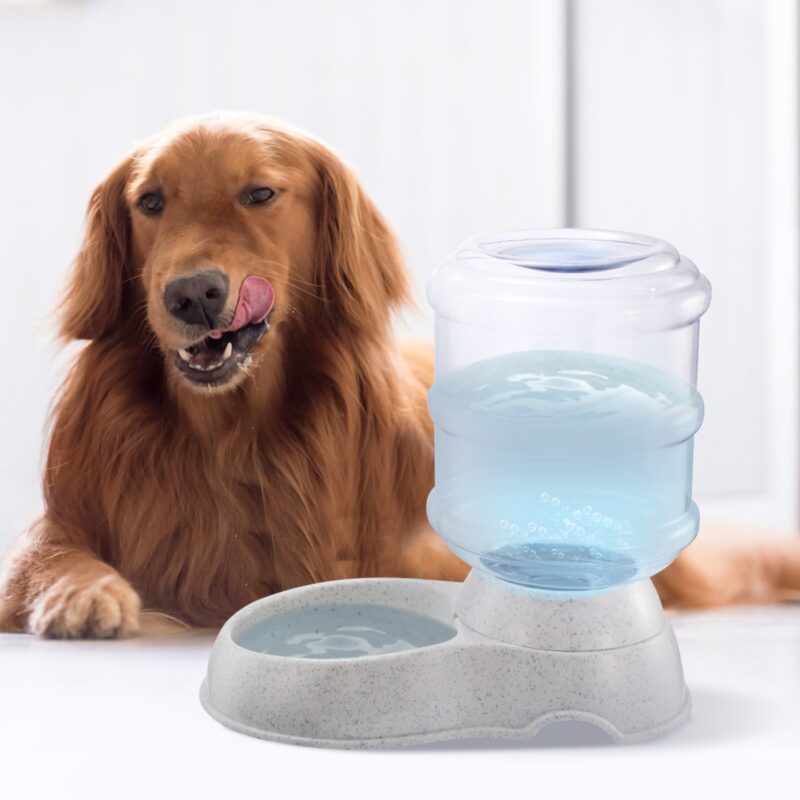
- Fresh water always accessible: A clean water bowl at all times — refilled at minimum twice daily. In hot weather, multiple water stations are appropriate. Many dogs drink more from slow-flow water fountains than still bowls, which benefits kidney and urinary health
- Dog-proofed home: Remove accessible toxic plants (lilies, azaleas, sago palm), secure trash bins, store toxic foods and medications out of reach, and check that small objects that could be swallowed are not accessible to the dog
- Temperature management: Dogs cannot sweat efficiently and are more vulnerable to heat stroke than humans. Never leave a dog in a parked car in warm weather. Ensure access to cool, shaded areas in summer and warmth in winter
- Outdoor safety: Fencing that is appropriate for the dog’s breed and size — a determined husky requires different containment than a basset hound. Check for toxic plants in the garden and ensure gates are secure
10 Signs Your Dog Needs a Vet Right Now
Part of knowing how to care for a dog is recognising when professional help is needed urgently. Dogs instinctively mask illness — by the time visible symptoms appear, a condition may already be significantly advanced. Never wait and see with these signs:
Difficulty Breathing
Laboured, rapid, or noisy breathing. Open-mouth breathing in a cat or a dog at rest. Emergency — always.
Bloated, Hard Abdomen
Distended belly that is firm to touch, especially in large/deep-chested breeds. GDV (bloat) is fatal within hours without surgery.
Seizure or Collapse
Any episode of loss of consciousness, uncontrolled tremors, or sudden collapse requires same-day emergency evaluation.
Suspected Poisoning
Ingestion of toxic food, medication, or chemical. Call ASPCA Animal Poison Control (888-426-4435) immediately — do not wait for symptoms.
Not Eating for 24+ Hours
Especially combined with lethargy or vomiting. In dogs, prolonged anorexia indicates a medical problem requiring assessment.
Repeated Vomiting or Diarrhoea
Single episodes often resolve; three or more episodes in 24 hours, or any episode containing blood, requires veterinary care.
Sudden Lameness or Inability to Walk
Sudden inability to use one or more limbs, dragging the hindquarters, or sudden severe limping warrants same-day assessment.
Eye Injury or Sudden Vision Change
Eye injuries worsen rapidly — any cloudiness, squinting, discharge, or impact to the eye needs urgent evaluation.
Excessive Drinking and Urination
Dramatic increase in thirst and urination — a common early indicator of diabetes, kidney disease, or Cushing’s disease.
Unexplained Weight Loss
Losing 10% or more of body weight without dietary change — always indicates an underlying condition requiring investigation.
Your Complete Annual Dog Care Calendar
📅 Dog Care — Full Year at a Glance
Q1 — Jan to Mar
- Annual vet wellness exam
- Heartworm test and prevention renewal
- Dental check and professional cleaning
- Review vaccination status
- Winter paw care (salt and cold)
- Adjust exercise for cold weather
Q2 — Apr to Jun
- Flea and tick prevention start
- Spring shedding — increase brushing
- Seasonal allergy monitoring begins
- Vaccination boosters (if due)
- Introduce outdoor activity increase gradually
- Parasite prevention check
Q3 — Jul to Sep
- Heat safety management
- Never leave in parked car
- Continue flea/tick prevention
- Mid-year senior health check (7+ yr dogs)
- Allergy peak — monitor skin and ears
- Swimming safety (currents, algae)
Q4 — Oct to Dec
- Autumn shedding — increase brushing
- Halloween food hazards (chocolate, xylitol)
- Review flea prevention — don’t stop early
- Winter coat and bedding preparation
- Year-end vet check for seniors
- Holiday food hazard awareness
Expert Deep-Dive Guides — Go Further
This guide covers every pillar of dog care at the essential level. Each topic below has a dedicated expert guide that goes significantly deeper:
Taking Care of a Puppy
Socialisation windows, first vet visits, crate training, teething — everything for your first year
Read the Puppy Care Guide →Dog Vaccination Schedule
Complete puppy, adult, and senior vaccine schedules — core vs non-core explained
Read the Vaccination Guide →Dog Nutrition Guide
What to feed, what to avoid, toxic foods, label reading, portion control by weight
Read the Nutrition Guide →Home Dog Grooming by Breed
Step-by-step grooming for every coat type and breed — tools, techniques, frequency
Read the Grooming Guide →Dog Separation Anxiety
Signs, causes, and a complete protocol for dogs that struggle when left alone
Read the Separation Anxiety Guide →Senior Dog Care Guide
How to care for an aging dog — joint health, cognitive changes, adapted diet and exercise
Read the Senior Dog Guide →Dog Health & Care Complete Guide — Ebook
130+ pages · Nutrition · Grooming · Training · Health monitoring · PDF worldwide · $9.99
Frequently Asked Questions — How to Take Care of a Dog
Final Thoughts — How to Take Care of a Dog
The question of how to take care of a dog does not have a simple answer — but it has a structured one. Nutrition, exercise, grooming, preventive health care, training, mental enrichment, and a safe home environment are the pillars. Each one reinforces the others — a well-exercised dog trains more easily; a mentally enriched dog is less destructive; a dog receiving regular preventive care costs far less in emergency treatment over a lifetime.
Use this guide as your foundation and the deep-dive articles linked throughout for specific challenges. For expert-written guidance on dog health, nutrition, grooming, and behaviour compiled into one comprehensive resource, our Dog Health & Care Complete Guide is available as an instant-download ebook. For all premium dog products — puzzle toys, grooming tools, water bottles, and more — visit Arbsbuy Dog Products with free USA shipping and 30-day guarantee.
Shop Premium Dog Products at Arbsbuy
Puzzle toys · Grooming tools · Dog health guides · Water bottles · Free USA shipping · 30-day guarantee
Sources: AKC — Dog Care Basics | ASPCA — Dog Care | AVMA — Dog Care Guidelines | VCA Animal Hospitals — General Dog Care
📄 Sources & References
- AVMA (2022): U.S. Pet Ownership Statistics — dogs require 1-2 hours of daily care on average — https://www.avma.org/resources-tools/reports-statistics/us-pet-ownership-statistics
- AAHA Preventive Healthcare Guidelines: Complete preventive care schedule for dogs across all life stages — https://www.aaha.org/aaha-guidelines/preventive-healthcare
- American Pet Products Association (2023): Average annual cost of dog ownership — $1,480 including veterinary, food and grooming — https://www.americanpetproducts.org
- ASPCA: Complete Dog Care Guide — nutrition, exercise, grooming, health and training essentials — https://www.aspca.org/pet-care/dog-care