
⚡ Quick Answer
To stop a dog from pulling on the leash, use a front-clip harness (leash attaches at the chest, not the back) and the “Be a Tree” method: the moment leash tension appears, stop walking completely and wait — only move forward when the leash is loose. Reward your dog for returning to your side with a high-value treat delivered at your knee level. Most dogs show clear improvement within 2–4 weeks of consistent daily practice.
💡 Expert Tip
Never train loose-leash walking with a retractable lead. Retractable leads teach dogs that pulling is rewarded with more distance — the exact opposite of what loose-leash training requires. Use a fixed 4–6 foot lead for all training sessions, and switch to the retractable only after the dog reliably walks loose on the fixed lead.
📋 Table of Contents
- Why Dogs Pull on the Leash — The Real Reason
- Why Leash Pulling Is Dangerous — Not Just Annoying
- 7 Proven Methods to Stop Dog from Pulling on Leash
- The Right Equipment Makes Training Easier
- Leash Pulling by Breed — What to Expect
- 5 Common Mistakes That Make Pulling Worse
- Realistic Training Timeline — What to Expect
- Frequently Asked Questions
- Final Thoughts
You put on your shoes. Your dog loses their mind with excitement. You clip the leash. They bolt through the door, nearly pulling you off your feet. By the end of the walk, your shoulder aches, your dog is no calmer than when you started, and you have vowed — again — to finally figure out how to stop a dog from pulling on the leash. If this describes your daily walk routine, this guide is written specifically for you.
Leash pulling is one of the most common behavioral complaints among dog owners in the USA — and one of the most solvable. The challenge is not in your dog’s character or stubbornness. It is in understanding why dogs pull, what training methods consistently work, and what equipment makes the process faster and easier. This guide covers all three — with seven proven methods that certified dog trainers use every day to help dog owners stop leash pulling for good.
🐾 Quick Answer
Knowing how to stop a dog from pulling on the leash is one of the most common dog training challenges owners face. The most effective way to stop a dog from pulling on the leash is the Stop-and-Wait method combined with a front-clip or dual-clip no-pull harness. Every time your dog pulls, stop completely — no forward movement until they return to your side. Reward loose-leash walking immediately. Consistency over 4–8 weeks produces lasting results. The right harness provides physical support to the training process and immediate improvement in control.
Why Dogs Pull on the Leash — Understanding the Root Cause
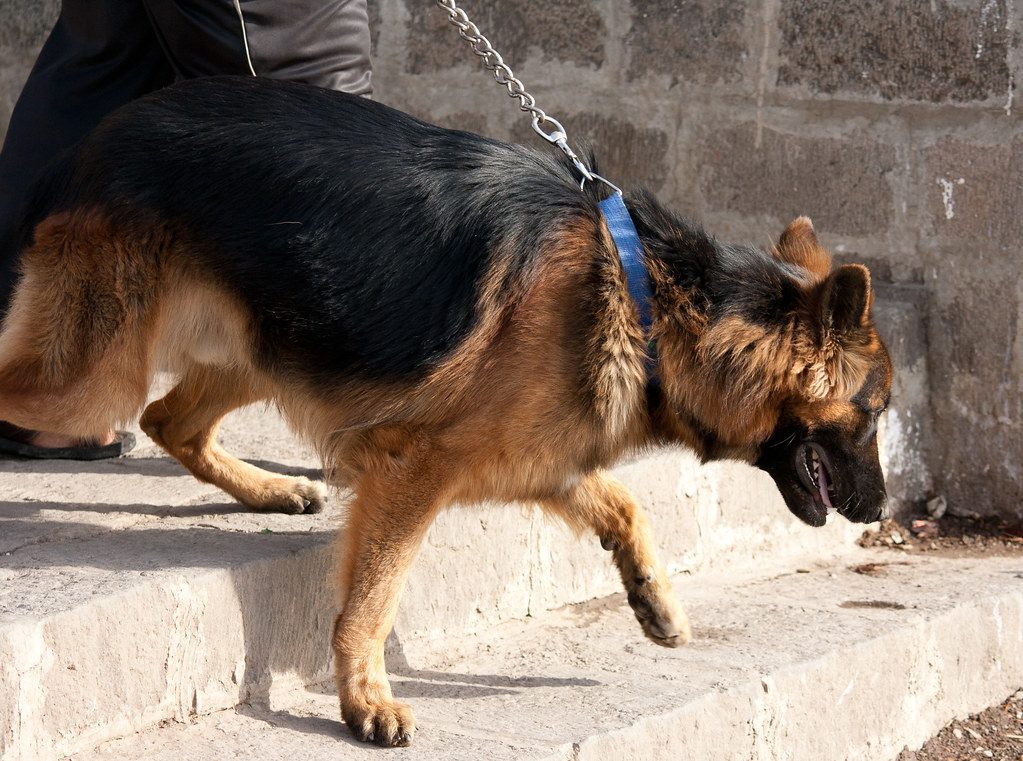
Before learning how to stop a dog from pulling on the leash, understanding why dogs pull in the first place is essential — because this understanding changes how you approach the problem entirely.
Dogs pull on the leash for one simple reason: pulling works. Every time a dog pulls forward and actually moves forward — even slightly — they receive positive reinforcement for the pulling behavior. Their goal is to get to the interesting smell 10 meters ahead, and pulling achieves it. The leash tension and your discomfort are completely irrelevant to the dog — they are focused entirely on the reward of forward progress.
This is why verbal corrections (“No!”, “Heel!”, “Stop!”) rarely work on a dog that is pulling toward an exciting stimulus. The pull is already being rewarded with movement — your verbal correction is just background noise compared to the primary reinforcer they are chasing. To stop a dog from pulling on the leash, you must fundamentally change the reward structure: pulling must produce zero forward movement, while walking calmly at your side must produce consistent rewards.
Why Leash Pulling Is Dangerous — Not Just Annoying
Most dog owners frame leash pulling as an inconvenience. It is also a genuine safety and health risk — for both you and your dog:
- Neck and tracheal injury in dogs: Repeated collar tension from pulling can damage the trachea, thyroid gland, and cervical vertebrae — particularly in small breeds and brachycephalic breeds like Bulldogs and Pugs. A collar attached to a leash with a pulling dog is a medical risk over time.
- Eye pressure elevation: Research published in veterinary journals has found that leash tension from collar-attached leashes raises intraocular pressure in dogs — a risk factor for glaucoma and retinal damage. This is particularly serious for breeds already predisposed to eye problems.
- Human injury: A large, powerful dog pulling unexpectedly is a significant fall risk for dog owners — particularly for elderly owners or those with joint conditions. Dog-related falls send over 42,000 Americans to emergency rooms annually according to the Centers for Disease Control.
- Escape risk: A dog in a pulling frenzy is at greater risk of slipping a collar or poorly fitted harness and escaping into traffic or other dangerous situations.
- Negative reinforcement cycle: Owners who use leash jerking or corrections to manage pulling often inadvertently increase the dog’s anxiety on walks — worsening not just pulling but reactive behaviors toward other dogs and people.
7 Proven Methods to Stop a Dog from Pulling on the Leash
These seven methods represent the most effective, trainer-validated approaches to stopping leash pulling. They are listed from most fundamental to most advanced — start with Method 1 and add complexity as your dog’s skills develop.
The Stop-and-Wait Method — The Foundation
⭐ Most Effective — All BreedsThis is the single most powerful technique for stopping a dog from pulling on the leash — and it requires no special equipment and no corrections. The principle is simple: the leash pulling produces exactly the opposite of what the dog wants. Instead of forward movement, pulling produces a complete stop.
The moment your dog pulls and the leash goes taut, you stop walking completely. Stand still and do not move. Do not say anything. Do not jerk the leash. Simply stop. Wait for your dog to release leash pressure — either by turning to look at you, stepping back toward you, or simply pausing. The moment the leash goes slack, say “Yes!” and walk forward as your reward. Then repeat. Every. Single. Time.
Step by Step
- Start walking with your dog on a loose leash
- The instant the leash becomes taut — stop completely, feet planted
- Stand still and wait silently — do not speak, do not jerk the leash
- When your dog releases leash pressure (even slightly), say “Yes!” enthusiastically
- Walk forward — the movement itself is the reward
- If your dog immediately pulls again, stop again — repeat indefinitely
- Additionally reward with a treat when your dog checks in with eye contact while walking
The Direction Change Method — For Persistent Pullers
🔄 Highly Effective — Energetic DogsWhen a dog learns that pulling also changes your direction — not just stops your progress — leash pulling becomes an even less effective strategy for them. The moment your dog pulls, turn 180 degrees and walk briskly in the opposite direction. Your dog has no choice but to follow. When they catch up and the leash is loose, reward and continue walking your original direction. If they pull again — turn again.
This method is particularly effective for high-energy breeds because the constant direction changes turn the walk into a mental challenge that tires the dog’s brain. After 10 minutes of direction changes, most dogs are more focused on their owner than on distant distractions. It requires a large open space initially — parking lots and empty fields work well for the early training sessions.
The “Be a Tree” Technique — For Reactive Pullers
🌳 Best for Distraction-Triggered PullingWhen your dog spots something exciting — another dog, a squirrel, a bicycle — and begins pulling toward it, become completely motionless. Plant your feet. Cross your arms. Look away from both the dog and the distraction. Do not speak. Do not pull back. Simply stand like a tree — immovable and unresponsive. Your dog will eventually exhaust the pulling behavior, turn to look at you, or return slightly. At that exact moment, reward with the highest-value treat you have and calmly redirect in a different direction.
This technique teaches dogs that excitement-triggered pulling produces nothing, while returning attention to you produces something outstanding. Combined with Method 1 for general walking, the “Be a Tree” method handles the specific scenario of distraction-triggered pulling that derails otherwise good leash manners.
Attention Before Forward — The Pre-Walk Focus Protocol
🧠 Best for Building Focus Before Pulling StartsMany dogs have learned that the moment the leash is clipped, pulling begins. This method interrupts that conditioned behavior by requiring calm, focused attention before any forward movement begins. Before stepping out the door, ask your dog to sit. Wait for calm, focused eye contact — even one second of genuine attention. Reward, then take one step forward. If your dog lunges, return to the starting position, ask for sit again, and begin again.
This protocol is especially powerful for teaching dogs that the walk only begins — and continues — with attention on their owner. Dogs that master this understand that you control the walk, not their impulses. It typically takes 2–3 weeks of consistent practice before dogs begin sitting and offering eye contact at the door without being asked.
Daily Practice Protocol
- Clip the leash — dog must sit before the door opens
- Open the door — dog must sit and make eye contact before stepping out
- Step outside — dog must sit again before any forward movement begins
- Begin walking — stop immediately at first leash tension
- Reward every 3–5 steps of loose-leash walking initially
The Magnet Hand — Treat-Luring Position Training
🍖 Best for Puppies and BeginnersThis method uses a treat held in your hand — positioned at your hip on the side where you want your dog to walk — to lure and reward the desired walking position. The treat acts like a magnet, drawing the dog into the correct position beside you. Walk briskly, keeping the treat at your hip, and release a small portion every few steps as long as your dog maintains the correct position. Gradually fade the food lure once your dog understands the position, replacing it with verbal praise and intermittent treats.
This method is ideal for puppies being taught to walk on a leash for the first time and adult dogs that have never had leash training. It quickly establishes what the correct position feels and looks like before transitioning to methods that teach the dog to maintain that position independently.
The Penalty Yards Method — For Dogs That Ignore Stopping
🔁 Effective for Stubborn PullersSome dogs have been accidentally trained to ignore the stop-and-wait method because their owners inevitably move forward out of frustration. The Penalty Yards method adds a consequence that even the most determined puller understands: when they pull, you do not just stop — you actively walk backwards several steps, increasing the distance from the thing they wanted. The dog must now earn back every step of forward progress by walking loosely. This dramatically speeds up the learning process for dogs that have learned to wait out a stationary owner.
Parallel Walking with a Calm Dog — Social Learning
🐕 Excellent for Social-Motivated DogsDogs are extraordinarily good at learning through observation. Walking your leash-pulling dog alongside a calm, well-trained dog — at a safe distance initially — allows them to observe and mirror the calm walking behavior. This is particularly effective for social breeds that are highly motivated by other dogs. The calm dog’s presence also serves as a controlled distraction training opportunity, allowing you to practice Methods 1 and 3 in a real-world context while the calm dog models the desired behavior. Arrange these walks with friends or family members who have well-trained dogs.
The Right Equipment Makes Training Faster and Easier
The right equipment dramatically speeds up your efforts to stop a dog from pulling on the leash — but the right equipment makes the process significantly faster and safer. The choice of harness or collar matters enormously for both training effectiveness and your dog’s health during the training period.
✅ Front-Clip or Dual-Clip Harness — Recommended
- Front clip redirects pulling dogs sideways — naturally interrupts pulling momentum
- Distributes leash pressure across chest and shoulders — no neck risk
- Provides immediate physical control improvement from Day 1
- Dual-clip gives training flexibility — front for active training, back for relaxed walks
- Recommended by certified dog trainers and veterinary behaviorists worldwide
⚠️ Collar — Not Recommended for Pullers
- All leash pressure concentrates on the neck and throat
- Risk of tracheal injury, thyroid damage, and eye pressure increase
- Back-clip harnesses can actually encourage pulling via opposition reflex
- Prong and choke collars suppress pulling through pain — ethically problematic and create anxiety
- Keep collar for ID tags only — use harness for all walks
According to AKC certified training guidelines, a front-clip harness combined with positive reinforcement training produces the fastest and most lasting results for leash pulling — without the risks associated with corrections-based methods. Visit our guide on how to choose the right dog harness for detailed sizing and selection guidance.
Arbsbuy Tactical No-Pull Dog Harness
Dual front and back clip · Military-grade nylon · Top control handle · Fully adjustable · All sizes available · Free USA shipping · 30-day guarantee
Leash Pulling by Breed — What to Expect
| Breed Category | Pulling Tendency | Best Method | Timeline |
|---|---|---|---|
| Huskies, Malamutes, Samoyeds | 🔴 Very High — bred to pull | Methods 1, 2, 6 + front-clip harness essential | 8–16 weeks |
| Labradors, Golden Retrievers | 🟠 High — enthusiastic | Methods 1, 3, 5 — highly food motivated | 4–8 weeks |
| German Shepherds, Belgian Malinois | 🟠 High — working dog drive | Methods 1, 4, 7 — structure and focus work well | 4–8 weeks |
| Beagles, Hounds | 🟡 Medium–High — scent-driven | Methods 1, 3 — scent distraction is the core challenge | 6–10 weeks |
| Chihuahuas, Toy Breeds | 🟡 Medium — can be surprisingly strong | Methods 1, 5 — consistency is key despite small size | 3–6 weeks |
| Bulldogs, Mastiffs | 🟢 Lower — but weight makes it problematic | Methods 1, 4 — weight management important too | 4–6 weeks |
5 Common Mistakes That Make Leash Pulling Worse
Giving In After Stopping
Stopping then moving forward before the dog releases leash pressure teaches them that pulling works if they wait long enough. Consistency is non-negotiable.
Repeating Verbal Commands
Saying “heel” or “no” repeatedly while moving forward teaches the word means nothing. Let your feet and the leash do the teaching — not your voice.
Walks Before Training Sessions
Walking an undertrained dog for exercise before they have loose-leash skills just practices pulling. Short training walks first, then free exercise in a secure area.
Walking Too Slowly
A brisk walking pace keeps your dog more engaged with you and leaves less time for their nose and eyes to lock onto distant distractions that trigger pulling.
Inconsistency Between Handlers
If one family member stops for pulling and another keeps walking, the dog learns that pulling works with some people. Every handler must follow the same rules.
Expecting Overnight Results
Leash manners that took months or years to develop take weeks to correct. Expecting results in 2–3 sessions leads to giving up before training has time to work.
Realistic Training Timeline — What to Expect Week by Week
One of the most important aspects of knowing how to stop a dog from pulling on the leash is understanding that real progress follows a predictable timeline — and setbacks along the way are completely normal.
| Week | What to Expect | Your Focus |
|---|---|---|
| Week 1–2 | Slow, frustrating walks. Stopping constantly. Dog confused by the new rules. Some improvement toward the end of each session. | Consistency above everything. Short 10-minute training walks twice daily. Celebrate micro-progress. |
| Week 3–4 | Dog begins to understand that stopping happens when leash is taut. Starts releasing leash pressure faster. Some walks noticeably smoother. | Add verbal marker (“Yes!”) precisely when leash goes slack. Begin rewarding eye contact on walks. |
| Week 5–6 | Noticeable improvement in calm environments. Distraction-triggered pulling still common. Dog occasionally walks beside you spontaneously. | Practice in increasingly distracting environments. Use highest-value treats for difficult scenarios. |
| Week 7–8 | Loose-leash walking becoming the default in most situations. Occasional pulling when highly excited but dog self-corrects faster. | Begin extending duration between treat rewards. Maintain harness and protocols — do not relax too soon. |
| Month 3+ | Reliable loose-leash walking in most environments. Occasional regression — normal and expected. Treat intermittently to maintain behavior. | Ongoing intermittent reinforcement. Continue using no-pull harness to support trained behavior. |
“The biggest mistake dog owners make when teaching loose-leash walking is expecting the dog to understand the new rules immediately. Give them time to learn what produces the reward — consistency over days and weeks is what creates lasting change, not a single breakthrough session.”
— Jean Donaldson, CPDT, Author of The Culture Clash
Frequently Asked Questions
Final Thoughts: How to Stop a Dog from Pulling on the Leash for Good
Learning how to stop a dog from pulling on the leash is one of the most transformative investments you can make in your dog’s training — and in your own enjoyment of dog ownership. A dog that walks calmly on a loose leash opens up a world of outdoor activities, social opportunities, and daily connection that a leash-pulling dog simply cannot provide.
The most reliable way to stop a dog from pulling on the leash is combining method and equipment — no single fix works alone. The path there is not complicated — it requires consistency, patience, and the right approach. Start with Method 1 (Stop-and-Wait). Add a front-clip no-pull harness for immediate management support. Practice in short, focused sessions daily rather than occasional marathon walks. Give yourself 4–8 weeks and stay consistent through the early frustrating sessions — the breakthrough moment when your dog suddenly walks beside you on a loose leash is one of the most satisfying moments in dog ownership.
For a complete guide to dog training, health, and behavioral management, explore our expert-written Dog Health & Care ebook. For premium no-pull dog harnesses and accessories, visit Arbsbuy — free USA shipping from our U.S. warehouse with a 30-day money-back guarantee.
Shop Premium Dog Products at Arbsbuy
No-pull harnesses, puzzle toys, water bottles & more · Free USA shipping · 30-day guarantee · USA warehouse
Sources: American Kennel Club — Loose Leash Walking Guide | ASPCA — Leash Training | PetMD — Dog Behavior
📄 Sources & References
- AVSAB: Humane Dog Training Position Statement — positive reinforcement as the only recommended method — https://avsab.org/resources/position-statements
- Applied Animal Behaviour Science (2018): Loose-leash walking training outcomes — positive reinforcement achieves compliance in 8 weeks — https://www.sciencedirect.com/journal/applied-animal-behaviour-science
- APDT: Leash manners training — foundation techniques and troubleshooting guide — https://www.apdt.com
- Journal of Veterinary Behavior: Tracheal injury risk from collar use during leash pulling — radiographic evidence in 63% of pullers — https://www.journalvetbehavior.com