⚡ Quick Answer
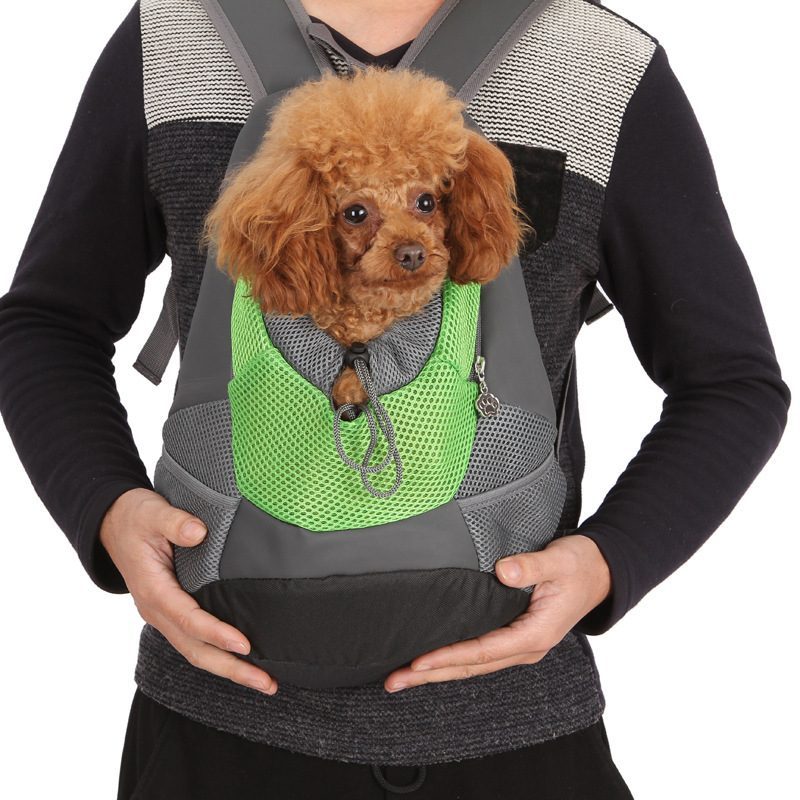
A dog backpack carrier is suitable for dogs up to approximately 20–25lbs — the combined weight of dog plus carrier should not exceed 20% of your body weight for comfortable carrying. Key requirements: ventilated mesh panels on at least three sides, internal safety clip (attaches to the dog’s harness to prevent jumping out), flat stable base the dog can sit on comfortably, and padded shoulder straps with a sternum strap for weight distribution. Introduce the carrier over 3–5 days before any actual travel — leave it open with a treat inside, progress to brief zip-closed sessions indoors.
💡 Expert Tip
Never leave a dog in a closed backpack carrier in direct sunlight or a warm car. The enclosed interior heats extremely rapidly — even mesh-ventilated carriers provide limited protection in ambient temperatures above 75°F. Always carry a collapsible water bowl and water for any trip over 30 minutes, and check on the dog frequently for panting, restlessness, or excessive drooling — early signs of heat stress.
There is a moment every active dog owner reaches — standing at a trailhead or boarding a train, wishing their dog could just come along without the logistics of a leash, a bag in each hand, and a dog pulling in every direction. A dog backpack carrier solves that problem completely. It puts your dog on your back, frees both your hands, distributes the weight across your shoulders, and lets you go anywhere — trails, markets, airports, city streets — with your pet safely along for the ride.
This guide covers everything you need to know before buying your first carrier backpack: how to choose the right size, what features actually matter for hiking versus city travel, how to fit and introduce the carrier to your dog, and which product stands out as the best all-round pick in 2026. Whether you have a small dog you want to bring on longer hikes or a cat who accompanies you on outdoor adventures, the right carrier changes how you travel with your pet.
- Why a Dog Backpack Carrier Is Worth It
- Types of Dog Backpack Carriers
- Key Features to Look for in a Dog Backpack Carrier
- Our Top Pick: Arbsbuy Dog Backpack Carrier
- Sizing Guide: Finding the Right Fit for Your Dog
- How to Introduce Your Dog to a Backpack Carrier
- Dog Backpack Carriers for Hiking: What Changes Outdoors
- Cleaning and Maintaining Your Dog Backpack Carrier
- Pairing Your Dog Backpack Carrier with the Right Gear
- Dog Backpack Carriers vs Other Options
- Frequently Asked Questions About Dog Backpack Carriers
- The Best Dog Backpack Carrier for Most Owners in 2026
Why a Dog Backpack Carrier Is Worth It
Traditional pet carriers — rigid crates, soft-sided shoulder bags, or wheeled trolleys — each solve part of the problem but introduce others. Rigid crates are heavy and awkward on trails. Shoulder bags transfer all weight to one side and become painful within thirty minutes. Wheeled options are useless off smooth pavement.
A backpack-style carrier distributes your dog’s weight the same way a hiking pack does — across both shoulders, through padded straps, with a chest or hip belt on better models. A ten-pound dog that feels uncomfortable after twenty minutes in a shoulder bag becomes genuinely manageable for a three-hour hike in a proper backpack carrier. The ergonomics are the core advantage, and they compound over time: owners who find carrying easy actually bring their dogs more places.
Beyond comfort for you, carriers are often the right choice for the dog too. Small and senior dogs that cannot keep pace on long hikes can still experience the sights and smells of the trail from the safety of a carrier. Injured or post-surgery dogs that need rest while their owners stay active benefit enormously. Anxious dogs often find the contained, close-to-owner feeling of a backpack carrier calming compared to being loose in a busy environment.
Types of Dog Backpack Carriers
Not all dog carrier backpacks are built for the same use cases. Understanding the main styles helps you choose one that matches your actual plans.
Bubble Backpack Carriers
Bubble carriers feature a clear dome window at the front that gives your dog a panoramic forward view while fully enclosing them in a safe, ventilated space. They are popular for city use, vet trips, and travel, and look distinctive enough that they reliably attract attention and conversation. The trade-off is weight — the rigid acrylic dome adds significant mass — and ventilation can be limited in warm weather if the vents are small.
Open-Top Mesh Carriers
Open-top carriers leave the top unzipped or feature an expandable mesh opening that your dog can rest their head and paws on, looking out at eye level with you. This design provides maximum ventilation and the most engaging view for curious dogs. It is best suited for calm, well-socialized dogs — a dog that tends to jump or squirm is a fall risk with an open top, particularly at height on your back.
Fully Enclosed Ventilated Carriers
A fully enclosed carrier with mesh panels on all sides is the most secure and versatile option for hiking. The dog is completely contained with no escape route, ventilation is excellent, and you can close all panels in wind or rain without losing airflow entirely. An interior safety clip adds a second layer of security. This is the style most recommended for active outdoor use, and it is the design used in the Arbsbuy Dog Backpack Carrier.
Front-Facing Carriers
Front carriers strap your pet to your chest rather than your back. They are popular for very small dogs and puppies, keep your dog visible at all times, and feel more interactive for the dog. The weight on your chest limits hiking suitability for any significant distance, but for short city trips or vet visits with a tiny dog, they are a practical alternative.
Key Features to Look for in a Dog Backpack Carrier
The quality and feature set range is enormous once you start looking at carriers seriously. Here is what genuinely matters in day-to-day use versus what is mostly marketing.
Weight Capacity and Interior Dimensions
The weight rating is the first filter. Most backpack carriers are rated for dogs up to 15 to 20 pounds. If your dog is near the upper limit of the rating, the carrier will be uncomfortable to wear for more than short distances even if the dog technically fits. A practical rule: the carrier should feel easy when loaded, not just possible. If your dog is 18 pounds and the carrier is rated to 20, plan for short trips rather than full hikes.
Interior dimensions matter as much as weight. Your dog should be able to sit upright, stand with their head below the top opening, and turn around without pressing against the sides. Measure your dog from floor to top of head when sitting and compare to the carrier’s interior height. A carrier that is too tight will cause your dog to push against the sides, compromising ventilation and making them anxious.
Ventilation
Dogs in enclosed carriers generate heat quickly, especially during activity. Mesh panels on at least two sides — ideally three — are the minimum for active use. Top openings or zippered vents that can be adjusted provide control when the weather changes. On warm days, check that your dog is panting normally and offer water every thirty minutes regardless of whether they show obvious signs of heat stress.
Mesh quality matters here too. Thin or loosely-woven mesh tears more easily under the pressure of a dog’s paws or nails and degrades with UV exposure. Look for reinforced or double-layer mesh at the points where your dog will rest their paws most often — typically the front panel and the floor of the carrier.
Safety Features
An interior safety leash clip that attaches to your dog’s collar or harness is essential. The zip closure alone is not sufficient — a dog that panics or squirms unexpectedly on a trail can push a zip open from the inside in seconds. The safety leash keeps them contained even if the zip gives way. Check that the clip is rated for your dog’s weight and that it attaches to a reinforced anchor point inside the carrier, not just a fabric loop.
The American Kennel Club recommends that dogs on hiking trails remain under control at all times, which includes when being carried — a dog that escapes a carrier on a narrow trail or near wildlife creates a dangerous situation for both the dog and the owner.
Ergonomic Carrying System
Padded shoulder straps with adjustable length are the foundation. A sternum strap — the horizontal strap across your chest that connects the shoulder straps — is important for keeping the pack centred and preventing the straps from sliding off your shoulders as you move. A waist or hip belt is the most significant upgrade on hiking-specific carriers: it transfers weight from your shoulders to your hips, dramatically reducing fatigue on longer routes.
A mesh-backed panel on the back of the carrier creates airflow between the carrier and your back. Without it, the contact area becomes hot and sweaty within twenty minutes of activity. This detail separates carriers designed for actual use from those designed to look good in product photos.
Storage Pockets
External pockets for treats, a waste bag dispenser, your phone, and keys round out the practical value of a carrier. On hikes where you are away from your bag for hours, having essentials attached to the carrier eliminates the need to take it off to access your pack. Even one well-placed zippered pocket is enough; look for placement that does not interfere with the main compartment zip access.
Our Top Pick: Arbsbuy Dog Backpack Carrier
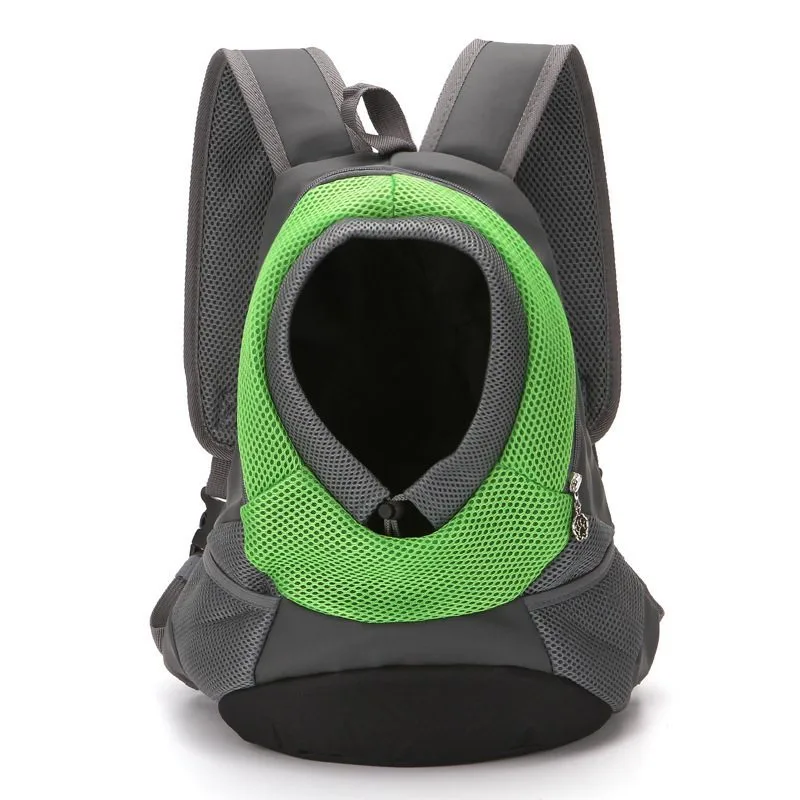
The Arbsbuy Dog Backpack Carrier is the hands-free pet travel solution for active owners who want to bring their small or medium dog on any adventure without compromising comfort for themselves or their pet. Here is a full breakdown of what it offers.
Design and Build
The carrier uses a fully enclosed design with a large top-opening mesh panel that gives your dog a panoramic view while maintaining secure containment. The mesh is reinforced at the contact points and allows airflow from above, keeping the interior temperature manageable even during active hiking. The structure is semi-rigid — soft enough to pack down when not in use, firm enough to hold its shape and give your dog a stable floor to stand on.
Weight Capacity and Fit
The carrier comfortably accommodates dogs and cats up to approximately 15 to 20 pounds, depending on body shape. Longer-bodied dogs toward the upper weight limit will find the interior fit tighter than a compact breed of the same weight — measure your dog before committing, and err on the side of more interior space rather than less for longer trips.
Safety
The robust zip closure runs the full circumference of the top opening and resists accidental opening from the inside. An interior safety leash clip attaches to your dog’s collar, providing a second layer of security so even if the zip were to open, your dog remains tethered inside the carrier. This dual-security design is the right standard for any carrier intended for outdoor or travel use.
Carrying Comfort
Padded, adjustable shoulder straps and a breathable mesh back panel form the carrying system. The weight distributes evenly across both shoulders and the back panel prevents the close-contact heat buildup that makes cheaper carriers uncomfortable after twenty minutes. The result is a carrier that stays comfortable through a full morning hike rather than one that you are relieved to take off after thirty minutes.
Storage
Multiple external pockets give you dedicated storage for treats, keys, a waste bag holder, and your phone without opening the main compartment. On a city outing or a shorter trail, this effectively replaces a separate day bag for the essentials you need within easy reach.
Colour Options
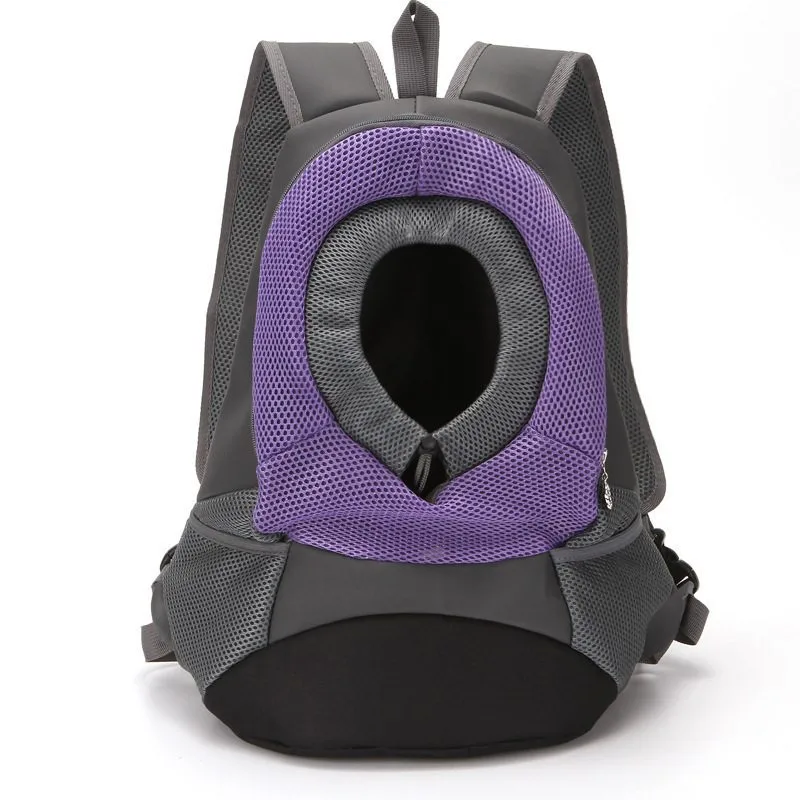
Available in six colours — Green, Red, Blue, Yellow, Purple, and Grey — every version uses the same construction and safety features. Choose the colour that matches your gear and personality, and rest assured the quality is identical across the range.
Get the Arbsbuy Dog Backpack Carrier →
Sizing Guide: Finding the Right Fit for Your Dog
Getting the sizing right before buying is the single most impactful decision you can make. A carrier that is too small stresses your dog on every trip. One that is too large lets your dog slide and shift uncomfortably.
Weight
Most standard backpack carriers handle up to 15 to 20 pounds. Weigh your dog at home using a bathroom scale — hold your dog, step on the scale, note the reading, then step on again without your dog and subtract. This two-step method is accurate enough for sizing purposes within a pound or two.
Body Length
Measure your dog from the base of the neck to the base of the tail. This should be shorter than the interior length of the carrier by at least two inches — your dog needs room to sit without their tail being pressed against the back panel. For compact breeds, weight is usually the binding constraint; for longer-bodied breeds like dachshunds or basset hounds, body length may rule out carriers that would otherwise work on weight alone.
Standing Height
Measure your dog from the ground to the top of their head when standing. The interior height of the carrier should be at least equal to this — ideally two to three inches taller so they can stand and look out without their head pressing against the mesh top.
Chest and Shoulder Girth
Your dog needs to be able to sit and turn around comfortably inside the carrier. Most manufacturers provide interior width dimensions — compare this to your dog’s shoulder width when sitting. If you are between sizes, go up rather than down.
How to Introduce Your Dog to a Backpack Carrier
A carrier your dog accepts willingly is far more useful than one you have to wrestle them into. The introduction process takes time but makes every subsequent trip easier.
Step 1: Familiarise Without Loading
Set the carrier on the floor and let your dog investigate it on their own terms. Put a treat or two inside and let them walk in and out freely without closing the zip. Leave the carrier in your living area for a few days so it becomes a familiar object rather than an unknown threat.
Step 2: Short Sessions Loaded but Stationary
Once your dog is comfortable entering the carrier, zip them in for a few minutes while you stay seated. Offer treats through the mesh and keep the sessions positive and brief. The goal is that your dog associates the carrier with good things happening, not with restriction or isolation.
Step 3: Carry Around the House
Put on the carrier with your dog inside and walk around your home for five to ten minutes. The movement and height change are new experiences — keep talking to your dog in a calm voice and reward calm behaviour with treats through the mesh. Watch for panting, whining, or frantic movement — these are signs your dog is stressed and you should reduce the session length.
Step 4: Short Outdoor Trips
Take your first outdoor outing somewhere calm — a quiet park rather than a crowded market or a trailhead. Twenty minutes is enough for the first trip. Gradually extend the duration as your dog demonstrates comfort, watching their body language throughout.
Most dogs reach a point where they recognise the carrier and trot toward it when you take it out — the sign that the introduction process has succeeded. Some dogs never fully relax in carriers, which is important information to have early rather than halfway up a mountain.
Dog Backpack Carriers for Hiking: What Changes Outdoors
Hiking introduces variables that city or travel use does not. Here is how to adapt your setup for trail use specifically.
Weight Distribution on Slopes
On uphill sections, lean slightly forward — the same instinct that makes climbing easier shifts the carrier’s weight more onto your back and hips. On downhill sections, keep your posture more upright and tighten the shoulder straps slightly to prevent the carrier from shifting forward. The sternum strap is especially important on varied terrain where the pack might otherwise swing during scrambling sections.
Ventilation Management
Your dog generates body heat throughout a hike. Open the top mesh panel fully during rest stops to maximise airflow, and check that your dog is breathing normally and not excessively panting. If the weather is hot, plan your hiking times for early morning when temperatures are lowest, and choose shaded trails over exposed ridgelines where possible.
Hydration on the Trail
A dog being carried in a backpack still needs regular water — being passenger rather than active hiker does not eliminate the hydration requirement, particularly in warm weather. Carry a portable dog water bottle in one of the carrier’s external pockets or your own pack, and offer water every thirty to forty-five minutes. Dogs in enclosed carriers cannot self-regulate heat through movement, so the owner is responsible for monitoring their condition throughout.
Wildlife and Off-Lead Sections
One of the practical advantages of a carrier on wildlife-heavy trails is that your dog cannot bolt after animals. A dog inside a secure carrier with an interior safety leash is effectively under control even when you encounter deer, squirrels, or other trail users with dogs. This is particularly valuable in areas where dogs must be kept under control by law, as a carrier is considered more secure than a recall-dependent situation.
Rest Breaks
Even in a well-fitted carrier with good ventilation, most dogs benefit from a ten to fifteen minute on-the-ground break every ninety minutes to two hours. Let them stretch, relieve themselves, drink water, and investigate the environment before loading back in. Dogs that are never let out become restless; those that get regular breaks settle back into the carrier readily.
Cleaning and Maintaining Your Dog Backpack Carrier
Regular cleaning extends the life of the carrier and keeps it hygienic for your dog. Most mesh panels and interior liners can be spot-cleaned with a damp cloth and mild soap. The interior liner should be removable in most quality carriers for washing.
For deeper cleaning, hand wash the carrier with mild pet-safe detergent and warm water. Machine washing on a gentle cycle is acceptable for soft-sided carriers without rigid frame elements, but check the care label first — agitation in a washing machine can loosen stitching on interior anchor points over time. Air dry completely before use, particularly the padded shoulder straps which retain moisture and can develop mildew if stored damp.
Inspect the zip regularly for debris and lubricate it with a zip lubricant stick every few months. Check the interior safety leash clip for wear and replace it if the spring action weakens — a clip that does not close firmly is not providing meaningful security.
Pairing Your Dog Backpack Carrier with the Right Gear
The carrier handles transport. A few accessories complete the setup for different use cases.
Portable Water Bottle
A portable dog water bottle with an integrated flip-out bowl is the most practical hydration solution when a carrier is involved. You can offer water without setting the carrier down — open the bottle, fill the bowl one-handed, and let your dog drink while they remain in the carrier. For longer hikes, carry enough water for both yourself and your dog rather than relying on trail water sources.
Car Seat Cover
On road trips where you use the carrier for portions of the journey and the back seat for others, a waterproof dog car seat cover handles the car portion while the backpack handles everything else. Together they cover multi-modal travel — car to trail to summit — without any gaps in protection or comfort.
Dog Travel Harness
The carrier’s interior safety clip should attach to your dog’s harness, not their collar, for the same reason car seatbelts attach to harnesses — a collar concentrates force at the neck in any sudden stop or fall. A well-fitted travel harness also makes handling your dog during loading and unloading easier, as you have a firm, safe grip point rather than reaching for a collar.
Dog Backpack Carriers vs Other Options
How does a backpack carrier compare to the alternatives for specific situations?
Backpack vs shoulder bag carrier: Shoulder bags are lighter and pack smaller, but transfer all weight to one side, causing shoulder and neck strain within thirty minutes. For trips under twenty minutes, a shoulder bag may be sufficient. For anything longer, the weight distribution of a backpack carrier is meaningfully better for your body.
Backpack vs wheeled carrier: Wheeled carriers work well in airports and on smooth city streets but are useless on trails, stairs, cobblestones, or any uneven surface. If your travel involves only controlled environments, a wheeled option may suit you. If you ever go anywhere outdoors or off pavement, a backpack carrier handles every surface a wheeled carrier cannot.
Backpack vs leaving your dog at home: The actual alternative most dog owners face — backpack carriers justify themselves every time you would otherwise leave your dog behind. According to PetMD, carriers provide small and senior dogs with access to environments and experiences they would not otherwise be able to handle physically, which supports both their physical and mental wellbeing over time.
Frequently Asked Questions About Dog Backpack Carriers
Below are the questions we hear most from dog owners considering their first carrier backpack.
What weight limit should I look for in a dog backpack carrier?
Look for a carrier rated above your dog’s actual weight — ideally with five to ten pounds of headroom. A carrier used at its maximum rating puts more strain on the seams, straps, and attachment points than one used comfortably within its range. If your dog is near the upper limit, choose one with more capacity or accept that trips will need to be shorter.
Can I use a dog backpack carrier on an airplane?
Some soft-sided carrier backpacks are approved for in-cabin airline travel as personal items, provided they fit under the seat in front of you and your dog meets the airline’s size and weight limits for cabin pets. Check your specific airline’s policies before booking — requirements vary significantly. The carrier must be airline-approved and your dog must stay inside and under the seat for the entire flight.
How do I know if my dog is comfortable in the carrier?
A comfortable dog sits or lies calmly with slow, regular breathing, shows curiosity about the surroundings through the mesh, and does not attempt to push the zip or scratch at the panels. Signs of stress include rapid panting, whining, excessive drooling, frantic movement, or attempts to escape. If your dog shows stress signs, shorten the session, return to a more gradual introduction process, and consult your vet if anxiety persists.
Can I use a dog backpack carrier for a cat?
Yes — the same fully-enclosed ventilated backpack carrier works equally well for cats, and many cat owners use them for outdoor adventures with adventurous felines. Cats generally need a longer and more patient introduction process than dogs. The security features — interior safety clip, robust zip closure — are especially important for cats given their agility and tendency to find exit routes.
Is a dog backpack carrier safe for puppies?
Yes, provided the puppy fits the weight and size requirements. For very young puppies under 8 weeks old, a carrier is generally not recommended as they require constant access to their mother and littermates for warmth and development. From 8 to 12 weeks onward, carrier trips can be a valuable part of socialisation — exposing puppies to new sights, sounds, and environments from a secure vantage point reduces fear responses later in life.
The Best Dog Backpack Carrier for Most Owners in 2026
For small to medium dog owners who want to bring their pet on hikes, travel days, city outings, vet trips, and everything in between without being slowed down or fatigued, a dog backpack carrier with breathable mesh panels, a dual-security closure system, padded shoulder straps, and a sturdy interior safety clip is the right choice.
The Arbsbuy Dog Backpack Carrier meets every criterion: hands-free ergonomic design, full ventilation through a large mesh opening, interior safety leash, robust zip closure, external storage pockets, and six colour options. It works equally well on trail or in the city, handles dogs and cats to 15 to 20 pounds, and ships free to anywhere in the USA.
Pair it with a portable dog water bottle for hydration at rest stops and a waterproof car seat cover for the drive to and from any adventure, and you have the complete travel system for an active dog owner.
Shop the Arbsbuy Dog Backpack Carrier now →
And explore our full range of dog travel accessories for everything else you need to make every trip easier with your dog.
Trusted Veterinary & Expert Sources
📄 Sources & References
- AKC: Hiking With Your Dog — trail safety, water, temperature limits and paw protection guidelines — https://www.akc.org/expert-advice/lifestyle/hiking-with-dogs
- AVMA: Physical Activity Guidelines for Dogs — safe exercise intensity by age, breed and health status — https://www.avma.org
- Leave No Trace Center for Outdoor Ethics: Pets in the Backcountry — responsible trail use, waste management and wildlife interaction rules — https://lnt.org/learn/7-principles/pets
- American Pet Products Association (2023): Pet outdoor activity and travel gear market — $890M segment growing at 14% annually — https://www.americanpetproducts.org