How to Groom a Dog at Home: The Complete Step-by-Step Beginner’s Guide
📅 June 27, 2026 · ⏱ 20 min read · By Arbsbuy Pet Experts
⚡ Quick Answer
At-home dog grooming requires five basic tools for most breeds: a slicker brush, a metal comb, nail clippers (scissor-style for large dogs, guillotine for small), dog-safe scissors, and an enzymatic dog shampoo. The correct sequence: brush and comb before bathing (mats tighten dramatically when wet), bathe and condition, dry thoroughly (a half-dried double coat will smell for days and can develop hot spots), then check nails, ears, and eyes. Frequency depends on coat type — short-coated dogs every 6–8 weeks, long and double-coated dogs every 4–6 weeks.
💡 Expert Tip
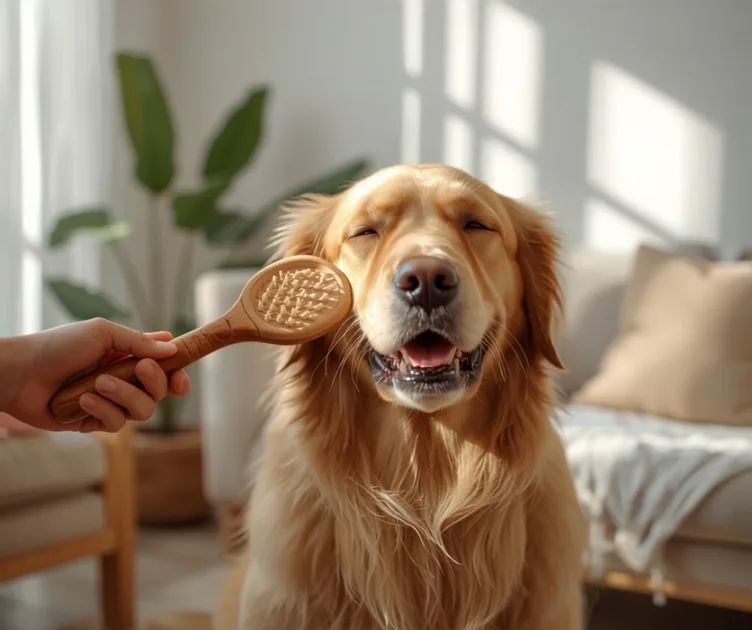
Always brush a dog’s coat section by section using the “line brushing” technique rather than brushing across the surface. Lift the outer layer of coat and brush in layers working from the skin outward. Surface-only brushing looks tidy but leaves mats forming underneath, invisible until they tighten against the skin. Line brushing takes 3× longer for the first session but becomes much faster once mats are eliminated from the undercoat.
✂️
Written by the Arbsbuy Pet Care Team
Expert-reviewed | Published: June 10, 2026 | Arbsbuy LLC — U.S. Registered Pet Store
🕐 13 min read📝 3,200+ words🐶 Dog Grooming✅ Expert reviewed
Learning how to groom a dog at home is one of the most rewarding skills a dog owner can develop. It saves significant money — the average professional grooming session in the USA costs $50–$90, which quickly adds up to $600–$1,000 or more per year — strengthens the bond between you and your dog, and gives you a regular opportunity to check your dog’s skin, coat, nails, ears, and eyes for early signs of health issues.
The truth is, grooming a dog at home is far more achievable than most first-time owners assume. You do not need a professional salon setup. You do not need years of experience. What you need is the right tools for your dog’s specific coat type, a calm and patient approach, and a clear step-by-step process — which is exactly what this guide provides.
Whether you have a short-coated Beagle, a fluffy Golden Retriever, or a double-coated Husky, this complete guide covers everything you need to know about how to groom a dog at home — from selecting the right tools, to brushing, bathing, drying, nail grinding, and ear cleaning, step by step.
🐾 Quick Answer
To groom a dog at home, you need a brush suited to your dog’s coat type, a nail grinder or clipper, dog-specific shampoo, and a drying towel or blow dryer. The process: brush first to remove tangles, bathe, dry thoroughly, grind nails, clean ears, and trim paw fur. Keep sessions positive with treats throughout.
Why Grooming Your Dog at Home Makes Sense
Before diving into the how of grooming a dog at home, it is worth understanding why so many dog owners across the USA are making the switch from professional salon appointments to DIY grooming — and why it makes such practical and financial sense.
💰
The Real Cost of Professional Dog Grooming
Average USA grooming costs for a standard groom — bath, brush, nail trim, ear clean — range from $50 to $90 per session. For monthly grooming, that is $600–$1,080 every year. Home grooming tools pay for themselves in 1–2 uses.
$75Avg salon visit
$900Annual cost
$800+Annual savings
Beyond the cost savings, there are three more compelling reasons to learn how to groom your dog at home:
Better health monitoring: Regular at-home grooming gives you consistent, close contact with your dog’s skin, coat, and body. You are far more likely to notice lumps, rashes, parasites, matting, or other health concerns early — when they are most easily treated.
Less stress for your dog: Many dogs find the grooming salon environment stressful — unfamiliar smells, sounds, handling by strangers, and time away from their owner. Grooming at home, in a familiar environment with a trusted person, is significantly less stressful for most dogs.
Stronger bond: Grooming is an act of care and trust. Regular home grooming sessions — done gently and positively — deepen the relationship between dog and owner in a meaningful way.
Essential Dog Grooming Tools for Beginners
Having the right tools is the foundation of successful home dog grooming. You do not need an extensive professional kit — but you do need the right items for your dog’s coat type and size. Here are the essential tools every dog owner needs to groom a dog at home.
🪮
Slicker Brush
Fine wire pins in a cushioned base. Ideal for removing loose fur, tangles, and debris in medium to long-coated breeds. The most versatile brush for most dogs.
🦷
Dematting Comb
Double-sided stainless steel blades that safely cut through mats and tangles without pulling on the skin. Essential for long-coated and double-coated breeds.
💅
Nail Grinder (recommended) or Clipper
Nail grinders file nails gradually and safely — eliminating the risk of cutting the quick. Much safer for beginners than clippers, especially for dogs with dark nails.
🧴
Dog-Specific Shampoo
Human shampoo disrupts a dog’s skin pH. Always use a shampoo formulated for dogs. Choose tearless for puppies and sensitive skin formulas for dogs with skin conditions.
🌬️
Absorbent Towels or Dog Blow Dryer
Microfiber towels absorb water quickly. A low-heat dog blow dryer speeds drying for thick-coated breeds and prevents skin irritation from staying wet too long.
✂️
Grooming Scissors (optional)
Rounded-tip scissors for trimming fur around the paws, face, and ears. Optional for most dogs, but useful for breeds that grow fur rapidly between professional trims.
✂️
Arbsbuy Professional Pet Grooming Tools
Quiet nail grinders, dematting combs, hair removal tools — all designed for safe, effective home grooming. Free USA shipping · 30-day guarantee.
Following a consistent grooming routine keeps your dog healthy and comfortable year-round.Choosing the Right Brush for Your Dog’s Coat Type
One of the most critical elements of learning how to groom a dog at home is matching your brushing tool to your dog’s specific coat type. Using the wrong brush wastes time, misses debris, or worse — causes discomfort and skin irritation.
Short-Coated Breeds
Beagles, Boxers, Bulldogs, Dalmatians, Greyhounds
Best brush: Rubber curry brush or soft bristle brush
Frequency: Weekly brushing sufficient
Special note: Despite short coats, these breeds still shed — regular brushing reduces household shedding significantly
Best brush: Pin brush + dematting comb for tangles
Frequency: Daily brushing to prevent matting
Special note: Dematting comb is essential — mats left unattended can cause skin infections and significant pain
Double-Coated Breeds
Huskies, German Shepherds, Golden Retrievers, Samoyeds
Best brush: Undercoat rake + slicker brush
Frequency: 3–4 times per week; daily during shedding season
Special note: Never shave a double-coated breed — their double coat regulates body temperature in both heat and cold
If you are unsure which coat type your dog has, consult our Arbsbuy Grooming Size Guide for breed-specific recommendations, or ask your veterinarian at your next check-up.
7-Step Guide: How to Groom a Dog at Home
Follow these seven steps in order for the most effective and least stressful home dog grooming experience. First-time owners should work through each step individually across multiple sessions, rather than attempting a full groom in one sitting.
1
Prepare Your Space and Tools
Choose a consistent, quiet location — a bathroom, laundry room, or outdoor space on a warm day. Non-slip surfaces are essential for your dog’s comfort and safety. Lay out all tools before you begin. Have treats ready and within reach throughout the session. A calm, prepared space sets the tone for the entire grooming experience.
Non-slip bath mat or grooming table mat
All brushes, combs, and tools laid out
High-value treats within arm’s reach
Warm (not hot) water ready for bathing
Towels and dryer nearby
2
Brush and Detangle the Coat Before Bathing
Always brush before bathing — never after. Wet fur tangles and mats far more easily than dry fur, and attempting to brush a wet, matted coat causes pain and can damage the coat. Work section by section from head to tail, using gentle strokes that follow the direction of hair growth. Hold the fur close to the skin with one hand while brushing with the other — this prevents tugging at the skin when you encounter tangles.
Start at the head and work toward the tail
Pay special attention to behind the ears, armpits, and groin — prime matting zones
Use a dematting comb on any tangles before proceeding — do not try to brush through a mat directly
For long-coated breeds, this step may take 15–30 minutes for a thorough pre-bath brush-out
3
Bathe Your Dog Properly
Use lukewarm water — test the temperature on your wrist as you would for a baby’s bath. Wet the coat thoroughly from the neck down, keeping water away from the ears and eyes. Apply dog-specific shampoo and work it through the coat with your fingers in gentle massaging circular motions. Rinse thoroughly — shampoo residue left in the coat causes itching and skin irritation. A second rinse is always recommended for thick-coated breeds.
Use only dog-formulated shampoo — human shampoo alters skin pH and causes irritation
Never force a dog’s head underwater — clean the face with a damp cloth instead
For dogs that strongly dislike bathing, a lick mat with peanut butter on the bath wall provides a powerful distraction
Rinse until the water runs completely clear — residue is a common cause of post-bath scratching
4
Dry the Coat Thoroughly
Start with absorbent microfiber towels to remove the majority of surface water. For short-coated breeds, towel drying is usually sufficient. For medium to long-coated breeds, follow with a low-heat blow dryer, keeping it at least 6 inches from the skin and in constant motion — never concentrate heat in one area. Dry in the direction of coat growth and brush simultaneously for a smooth, professional finish. Do not allow a wet dog to go outdoors in cold or damp weather — damp coats are a common trigger for skin issues and illness.
5
Trim the Nails — Safely and Gently
Nail trimming is the step that intimidates most dog owners the most — and the most important to do correctly. Overgrown nails cause discomfort, alter your dog’s gait, and can lead to joint problems over time. We strongly recommend a nail grinder over traditional clippers for beginners — the grinding action removes nail material gradually and eliminates the risk of cutting the quick (the blood vessel inside the nail). See our detailed nail trimming guide in the section below.
6
Clean Ears and Eyes
Ear cleaning prevents infections — a common and uncomfortable problem in dogs, particularly those with floppy ears (Cocker Spaniels, Basset Hounds, Labradoodles). Use a veterinarian-recommended ear cleaning solution on a cotton ball — never a cotton swab, which can push debris deeper and damage the ear canal. Wipe gently around the outer ear only. For eye cleaning, use a damp cotton ball to wipe away any discharge from the inner corner of the eye — always wipe away from the eye, never toward it.
7
Trim Fur Around Paws, Face, and Ears (Optional)
Use rounded-tip scissors to carefully trim fur that grows over the paw pads — this fur collects debris, moisture, and ice in winter, and can cause slipping on smooth floors. Trim around the ears (outer edges only) for breeds like Cocker Spaniels where ear fur can mat rapidly. Face trimming around the eyes requires extreme care — always use rounded-tip scissors and trim with your dog calm and still. If in any doubt, leave face trimming to a professional groomer.
✅ Pro Tip: End every grooming session — regardless of how it went — with enthusiastic praise, a special treat, and a play session. This positive association builds tolerance and cooperation over time. Dogs that initially resist grooming often become calm and compliant within 4–6 sessions of consistently positive experiences.
How to Trim Dog Nails at Home — The Safe Way
Of all the steps in home dog grooming, nail trimming causes the most anxiety for both owners and dogs. The key is using the right tool and the right technique — and a nail grinder is the safest choice for anyone learning how to groom a dog at home.
Nail Grinder vs Clipper: Which Should You Use?
Feature
Nail Clipper
Nail Grinder ✅ Recommended
Risk of cutting the quick
❌ High — especially with dark nails
✅ Very low — gradual removal
Nail finish
Sharp edge left behind
✅ Smooth, rounded finish
Suitable for beginners
❌ Requires practice and confidence
✅ Beginner-friendly
Dog tolerance
Pressure sensation can startle
✅ Gentle vibration — less alarming
Best for dark nails
❌ Difficult to see the quick
✅ Gradual removal reduces risk
Noise level
Silent (clicking sound)
Low hum — introduce gradually
Step-by-Step Nail Grinding Technique
Introduce the grinder before using it — let your dog smell it, then turn it on nearby for a few days before the first actual grinding session
Choose the correct port size — small port for cats and dogs under 5kg, medium for 5–15kg, large for 15kg+. Use our grooming size guide for reference
Hold the paw firmly but gently — support the paw underneath rather than squeezing the individual toes
Grind in 2–3 second bursts — stop and give a treat between each nail. Never grind continuously on one nail
Grind at a slight angle — aim slightly upward to create a natural rounded nail shape
Stop when the nail looks white or pale inside — this signals you are approaching the quick
💅
Arbsbuy 2-Speed Dog Nail Grinder
Ultra-quiet under 50dB · USB rechargeable · 3 port sizes (small/medium/large) · Safe for dogs and cats · Free USA shipping · 30-day guarantee.
One of the most common questions from owners learning how to groom a dog at home is how frequently each grooming task should be done. The answer depends on breed, coat type, and lifestyle — but here are the general guidelines recommended by the American Kennel Club:
Grooming Task
Short Coat
Medium Coat
Long / Double Coat
Brushing
Weekly
2–3x per week
Daily
Bathing
Every 6–8 weeks
Every 4–6 weeks
Every 4–6 weeks
Nail grinding
Every 3–4 weeks
Every 3–4 weeks
Every 2–4 weeks
Ear cleaning
Monthly
Every 2–3 weeks
Every 2–3 weeks
Eye cleaning
As needed
Weekly
Weekly
Paw fur trim
Rarely needed
Every 6–8 weeks
Every 4–6 weeks
Full haircut
Not required
Every 8–12 weeks
Every 6–10 weeks
Grooming Tips for Anxious or Nervous Dogs
Many dogs are initially anxious about being groomed at home, particularly around tools that make noise (blow dryers, nail grinders) or require unfamiliar handling (ear cleaning, paw touching). The ASPCA recommends a gradual desensitization approach — and this is genuinely the most effective strategy.
Start young: Introduce puppies to grooming handling — touching paws, ears, and mouth — from the earliest age possible. Puppies that are handled regularly during the socialization period (8–16 weeks) are significantly calmer during adult grooming.
Keep initial sessions short: For an anxious dog, your first grooming session should be just 5 minutes. Brush one section. Grind two nails. Stop and reward generously. Build up session length gradually over weeks.
Use high-value treats strategically: Reserve your dog’s absolute favorite treat exclusively for grooming sessions. This creates a powerful positive association that builds over time.
Introduce tools before using them: Leave the nail grinder or blow dryer on the floor for your dog to investigate. Turn it on at a distance before bringing it near. Let your dog approach the tool voluntarily before you use it on them.
Never force through resistance: If your dog becomes truly distressed — trembling, attempting to bite, extreme struggling — stop the session immediately. Forcing through resistance creates trauma and makes future sessions harder. Return to an earlier, less challenging step and build back up slowly.
⚠️ Important
If your dog growls, snaps, or attempts to bite during any grooming procedure, do not attempt to continue. Consult a certified professional dog trainer or veterinary behaviorist before resuming home grooming. Grooming-related bites are entirely preventable with the right approach — but the right approach requires professional guidance for dogs with significant grooming anxiety.
When to See a Professional Groomer
Learning how to groom a dog at home does not mean never visiting a professional groomer again. There are specific situations where professional expertise is the right — and sometimes only — safe choice:
Severe matting: Mats that are close to the skin across large areas of the body should be addressed by a professional groomer with the right equipment and experience to remove them safely without causing injury
Breed-specific styling cuts: Show cuts for Poodles, hand-stripping for Wire-Haired Terriers, Schnauzer styling, and similar breed-specific styles require professional training and experience
Ear canal hair removal: Some breeds (Poodles, Bichons) grow hair inside the ear canal that requires removal. This should be done by a veterinarian or experienced groomer
Aggressive grooming resistance: Dogs that bite or show extreme distress during grooming need professional handling and desensitization training before home grooming can safely resume
Anal gland expression: Some dogs require regular anal gland expression — this is best left to your veterinarian or an experienced groomer
For deeper, professional guidance on home grooming technique — including step-by-step instructions for specific breeds, desensitization protocols, and professional tool recommendations — our Pet Grooming Mastery at Home ebook covers everything you need in over 130 expert-written pages. Available as an instant PDF download worldwide for just $9.99.
Frequently Asked Questions About Grooming a Dog at Home
❓ How do I groom a dog at home for beginners?
Start with the basics: brush the coat before bathing, bathe with dog-specific shampoo, dry thoroughly, grind the nails, and clean the ears. Use positive reinforcement (treats) throughout every session. Keep your first sessions short — 10 to 15 minutes — and build up gradually. Focus on one task at a time rather than attempting a full groom in your first session. The right tools for your dog’s coat type make a significant difference.
❓ What tools do I need to groom a dog at home?
The essential dog grooming tools for home use are: a brush matched to your dog’s coat type (slicker brush for most breeds), a dematting comb for long-coated breeds, a nail grinder (recommended over clippers for beginners), dog-specific shampoo, and absorbent towels. A low-heat blow dryer is useful for thick-coated breeds. Find our full range of professional-quality pet grooming tools at Arbsbuy — all designed for safe, effective home use.
❓ How often should I bathe my dog at home?
Most dogs need bathing every 4–8 weeks, depending on coat type, lifestyle, and activity level. Overbathing (more than once every 3–4 weeks) strips natural oils from the coat and skin, leading to dryness and irritation. Dogs that spend time outdoors, swim regularly, or have skin conditions may need more or less frequent bathing — consult your veterinarian for breed-specific guidance.
❓ Is a nail grinder better than nail clippers for dogs?
For most dog owners — and especially beginners — a nail grinder is significantly safer and easier to use than clippers. Clippers cut the nail in one sharp motion, which risks cutting the quick (the blood vessel inside the nail) if you misjudge the length. A grinder removes nail material gradually, giving you complete control over how much you remove. The result is also a smooth, rounded nail edge rather than a sharp clipped edge. Our Arbsbuy 2-Speed Nail Grinder operates at under 50dB — quiet enough for sensitive dogs.
❓ How do I brush a matted dog coat at home?
Never attempt to brush directly through a mat — this causes pain and can damage the skin. Instead, use a dematting comb and work from the outer edge of the mat inward, gently loosening the tangle section by section. Hold the fur close to the skin while working to prevent tugging. For severe mats close to the skin, do not attempt to remove them at home — take your dog to a professional groomer. Prevention is far easier than treatment: regular brushing (daily for long-coated breeds) prevents mats from forming.
❓ Can I use human shampoo to bathe my dog at home?
No — human shampoo should never be used on dogs. Human skin has a pH of approximately 5.5, while dog skin has a pH of 6.5–7.5. Human shampoos are formulated for human skin pH and disrupt the protective acid mantle on dog skin, leading to dryness, irritation, and increased susceptibility to bacteria, parasites, and infection. Always use a shampoo specifically formulated for dogs. Look for tearless formulas for puppies and sensitive skin varieties for dogs with existing skin conditions.
❓ How long does it take to groom a dog at home?
A full home groom — brushing, bathing, drying, nail grinding, and ear cleaning — typically takes 1 to 3 hours depending on your dog’s size, coat type, and cooperation level. Short-coated dogs can often be fully groomed in 30–60 minutes. Long-coated and double-coated breeds may take 2–3 hours or more for a thorough groom. Over time, as both you and your dog become more experienced with the routine, grooming sessions become significantly faster and more efficient.
Final Thoughts — How to Groom a Dog at Home
Learning how to groom a dog at home is one of the most valuable investments you can make in your dog’s health, comfort, and wellbeing — and one of the most practical investments in your own finances. With the right tools, a calm and consistent approach, and the step-by-step process outlined in this guide, you can achieve professional-quality results from the comfort of your home.
To summarize the most important points:
Always brush before bathing — never after
Match your brush to your dog’s specific coat type
Use a nail grinder rather than clippers for beginners
Keep sessions positive with high-value treats throughout
Build up session length gradually with anxious dogs
Dry thoroughly after every bath — damp coats cause skin problems
Maintain regular grooming frequency to prevent mats and overgrown nails
For the complete set of professional-quality pet grooming tools — including our ultra-quiet nail grinder and double-sided dematting comb — visit Arbsbuy with free USA shipping on every order. And for a comprehensive step-by-step grooming guide that covers breed-specific techniques, desensitization protocols, and professional tips, our Pet Grooming Mastery at Home ebook is available for instant download worldwide for just $9.99.
✂️
Shop All Pet Grooming Tools at Arbsbuy
Professional-quality nail grinders, dematting combs, clippers & more · Free USA shipping · 30-day guarantee · Ships from USA warehouse
National Dog Groomers Association of America: Professional grooming standards and at-home grooming safety guidelines — https://www.nationaldoggroomers.com