
⚡ Quick Answer
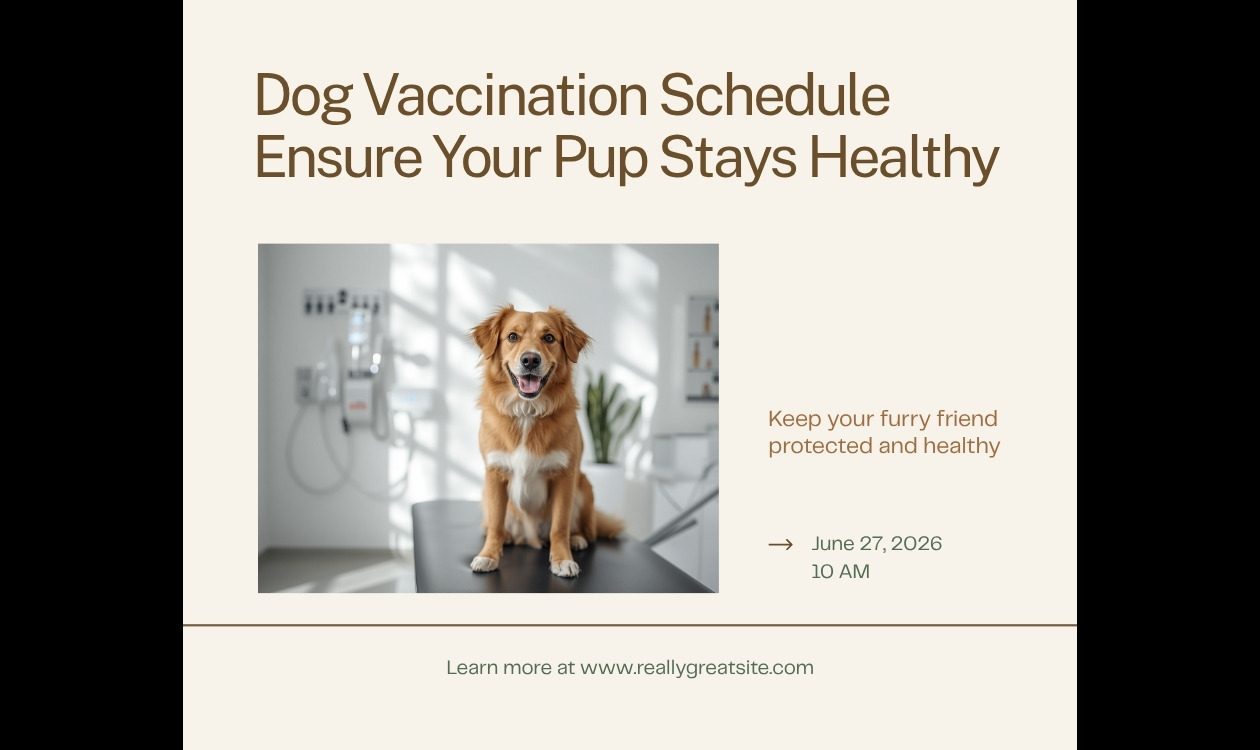
The core dog vaccination schedule: puppies need the DA2PP series (distemper, adenovirus, parvovirus, parainfluenza) every 3–4 weeks from 6 weeks old until 16 weeks old — missing one appointment extends the vulnerable window. Rabies is given between 12–16 weeks. Adult dogs need DA2PP every 1–3 years and Rabies every 1–3 years depending on your state law. Non-core vaccines (Bordetella, Leptospirosis, Canine Influenza) are added based on your dog’s specific lifestyle and exposure risk.
💡 Expert Tip
The timing between puppy vaccine doses is not flexible. Maternal antibodies from the mother’s milk block the puppy’s immune response to vaccines — but those maternal antibodies decline unpredictably between 6–16 weeks. The series at 3–4 week intervals ensures at least one dose lands after maternal antibodies have faded. A single missed appointment can leave a gap where the puppy is unprotected against parvovirus — which has a 91% mortality rate in unvaccinated puppies without intensive care.
<!-- ============================================================
ARBSBUY BLOG — ARTICLE 23
Meta Title: Dog Vaccination Schedule: Complete Guide for Every Stage
Meta Description: Complete dog vaccination schedule for puppies, adults & seniors. Core vs non-core vaccines, booster timing, costs, and what vets recommend in 2026.
Slug: dog-vaccination-schedule
Focus Keyword: dog vaccination schedule
Image ALT: Dog vaccination schedule — complete guide for puppy adult and senior dogs showing core and non-core vaccines
============================================================ -->
<article class="arbs-article">
<style>
.arbs-article{font-family:'Inter',Georgia,sans-serif;font-size:16px;line-height:1.85;color:#333;max-width:860px;margin:0 auto;padding:0 20px}
.arbs-article h1{font-family:'Playfair Display',Georgia,serif;font-size:38px;font-weight:900;color:#111;line-height:1.2;margin:0 0 20px}
.arbs-article h2{font-family:'Playfair Display',Georgia,serif;font-size:26px;font-weight:800;color:#111;margin:44px 0 16px;padding-bottom:10px;border-bottom:2px solid #EFF5FF;line-height:1.3}
.arbs-article h3{font-size:19px;font-weight:700;color:#111;margin:28px 0 12px}
.arbs-article p{margin:0 0 18px;color:#444;line-height:1.85}
.arbs-article ul,.arbs-article ol{margin:12px 0 20px;padding-left:24px}
.arbs-article ul li,.arbs-article ol li{margin-bottom:10px;color:#444;line-height:1.75}
.arbs-article strong{color:#111;font-weight:700}
.arbs-article a{color: #1B3A6B;font-weight:600;text-decoration:none}
.arbs-article a:hover{text-decoration:underline}
.arbs-article blockquote{border-left:4px solid #E8A020;background:#EFF5FF;padding:18px 24px;border-radius:0 10px 10px 0;margin:24px 0;font-style:italic;color:#555}
.arbs-info-box{background:#EFF5FF;border:1px solid #c5d7f0;border-left:4px solid #E8A020;border-radius:0 12px 12px 0;padding:18px 22px;margin:24px 0}
.arbs-info-box h4{font-size:15px;font-weight:700;color: #1B3A6B;margin:0 0 8px}
.arbs-info-box p{color:#7a3300;margin:0;font-size:15px}
.arbs-warning-box{background:#fff7ed;border:1px solid #fed7aa;border-left:4px solid #f97316;border-radius:0 12px 12px 0;padding:18px 22px;margin:24px 0}
.arbs-warning-box h4{font-size:15px;font-weight:700;color:#c2410c;margin:0 0 8px}
.arbs-warning-box ul{padding-left:20px;margin:0}
.arbs-warning-box ul li{color:#7c2d12;font-size:14px;margin-bottom:5px}
.arbs-success-box{background:#f0fdf4;border:1px solid #86efac;border-left:4px solid #22c55e;border-radius:0 12px 12px 0;padding:18px 22px;margin:24px 0}
.arbs-success-box p{color:#15803d;margin:0;font-size:15px}
.arbs-table{width:100%;border-collapse:collapse;margin:20px 0;font-size:14px}
.arbs-table th{background: #0d2347;color:#fff;padding:12px 14px;text-align:left;font-weight:700;font-size:13px}
.arbs-table td{padding:10px 14px;border-bottom:1px solid #f0f0f0;color:#444;vertical-align:top;font-size:14px}
.arbs-table tr:nth-child(even) td{background:#fafafa}
.arbs-table tr:hover td{background:#EFF5FF}
/* Stats */
.arbs-stat-dark{background: #0d2347;border-radius:16px;padding:24px;margin:20px 0;display:grid;grid-template-columns:repeat(4,1fr);text-align:center}
.arbs-stat-dark .sd{padding:10px 8px;border-right:1px solid rgba(255,255,255,.08)}
.arbs-stat-dark .sd:last-child{border-right:none}
.arbs-stat-dark .sdn{font-family:'Playfair Display',serif;font-size:26px;font-weight:900;color: #1B3A6B;display:block;margin-bottom:4px}
.arbs-stat-dark .sdl{font-size:11px;color:rgba(255,255,255,.4);line-height:1.4}
/* Vaccine type cards */
.arbs-vaccine-type-grid{display:grid;grid-template-columns:1fr 1fr;gap:14px;margin:16px 0}
.arbs-vaccine-type{border-radius:14px;padding:22px;border:2px solid}
.arbs-vaccine-type.core{background:#f0fdf4;border-color:#86efac}
.arbs-vaccine-type.non-core{background:#EFF5FF;border-color:#c5d7f0}
.arbs-vaccine-type h4{font-size:16px;font-weight:700;margin:0 0 12px;display:flex;align-items:center;gap:8px}
.arbs-vaccine-type.core h4{color:#15803d}
.arbs-vaccine-type.non-core h4{color: #1B3A6B}
.arbs-vaccine-type ul{margin:0;padding-left:18px}
.arbs-vaccine-type ul li{font-size:13px;margin-bottom:6px;line-height:1.5}
.arbs-vaccine-type.core ul li{color:#166534}
.arbs-vaccine-type.non-core ul li{color:#7a3300}
/* Puppy schedule visual */
.arbs-puppy-schedule{background: #0d2347;border-radius:16px;padding:28px;margin:20px 0}
.arbs-puppy-schedule h3{color:#fff;font-size:18px;font-weight:800;margin:0 0 18px}
.arbs-schedule-timeline{display:flex;flex-direction:column;gap:14px}
.arbs-schedule-item{display:flex;gap:16px;align-items:flex-start}
.arbs-schedule-age{width:90px;flex-shrink:0;background:rgba(232,160,32,.2);border:1px solid rgba(232,160,32,.4);border-radius:8px;padding:8px;text-align:center}
.arbs-schedule-age .sa-age{font-family:'Playfair Display',serif;font-size:16px;font-weight:900;color: #1B3A6B;display:block}
.arbs-schedule-age .sa-label{font-size:10px;color:rgba(255,255,255,.4);display:block}
.arbs-schedule-vaccines{flex:1;background:rgba(255,255,255,.04);border:1px solid rgba(255,255,255,.08);border-radius:8px;padding:12px}
.arbs-schedule-vaccines .sv-core{font-size:13px;color:#86efac;margin:0 0 4px;font-weight:600}
.arbs-schedule-vaccines .sv-non{font-size:12px;color:rgba(255,255,255,.4);margin:0}
.arbs-schedule-vaccines .sv-note{font-size:11px;color:rgba(255,165,0,.7);margin-top:6px;font-style:italic}
/* Core vaccine detail */
.arbs-core-grid{display:grid;grid-template-columns:1fr 1fr;gap:12px;margin:16px 0}
.arbs-core-card{background:#fafafa;border:1px solid #eee;border-radius:12px;padding:16px}
.arbs-core-card h4{font-size:14px;font-weight:700;color:#111;margin:0 0 6px}
.arbs-core-card .cc-disease{font-size:11px;font-weight:700;color: #1B3A6B;display:block;margin-bottom:6px;text-transform:uppercase;letter-spacing:.5px}
.arbs-core-card p{font-size:13px;color:#666;margin:0;line-height:1.5}
.arbs-core-card .cc-interval{font-size:12px;font-weight:700;color:#111;background:#EFF5FF;padding:3px 10px;border-radius:20px;display:inline-block;margin-top:8px}
/* Side effects */
.arbs-side-effects-grid{display:grid;grid-template-columns:1fr 1fr;gap:12px;margin:16px 0}
.arbs-se-item{border-radius:10px;padding:14px;border:1px solid}
.arbs-se-item.normal{background:#f0fdf4;border-color:#86efac}
.arbs-se-item.watch{background:#fff7ed;border-color:#fed7aa}
.arbs-se-item.emergency{background:#fff1f2;border-color:#fecdd3}
.arbs-se-item h4{font-size:13px;font-weight:700;margin:0 0 8px}
.arbs-se-item.normal h4{color:#15803d}
.arbs-se-item.watch h4{color:#c2410c}
.arbs-se-item.emergency h4{color:#be123c}
.arbs-se-item ul{margin:0;padding-left:16px}
.arbs-se-item ul li{font-size:12px;margin-bottom:4px;line-height:1.4}
.arbs-se-item.normal ul li{color:#166534}
.arbs-se-item.watch ul li{color:#7c2d12}
.arbs-se-item.emergency ul li{color:#881337}
/* Product CTA */
.arbs-product-cta{background:linear-gradient(135deg,#0d2347 0%,#1B3A6B 100%);border-radius:16px;padding:28px;margin:32px 0;display:flex;align-items:center;gap:24px;flex-wrap:wrap}
.arbs-product-cta-icon{font-size:52px;flex-shrink:0}
.arbs-product-cta-body{flex:1;min-width:200px}
.arbs-product-cta-body h4{font-size:18px;font-weight:800;color:#fff;margin:0 0 6px}
.arbs-product-cta-body p{font-size:14px;color:rgba(255,255,255,.6);margin:0}
.arbs-product-cta-btn{display:inline-flex;align-items:center;gap:6px;background: #1B3A6B;color:#fff !important;font-weight:700;font-size:14px;padding:12px 22px;border-radius:8px;text-decoration:none !important;white-space:nowrap;flex-shrink:0;transition:background .3s}
.arbs-product-cta-btn:hover{background:#0d2347}
/* FAQ */
.arbs-faq-item{border:1px solid #eee;border-radius:12px;margin-bottom:12px;overflow:hidden}
.arbs-faq-q{background:#fafafa;padding:16px 20px;font-weight:700;color:#111;font-size:16px;border-bottom:1px solid #eee}
.arbs-faq-a{padding:16px 20px;font-size:15px;color:#555;line-height:1.7}
.arbs-faq-a a{color: #1B3A6B;font-weight:600;text-decoration:none}
.arbs-author{background:#fafafa;border:1px solid #eee;border-radius:14px;padding:22px;margin:40px 0 24px;display:flex;gap:16px;align-items:flex-start}
.arbs-author-icon{font-size:42px;flex-shrink:0}
.arbs-author-body h4{font-size:15px;font-weight:700;color:#111;margin:0 0 4px}
.arbs-author-body p{font-size:13px;color:#888;margin:0}
.arbs-meta{display:flex;gap:20px;flex-wrap:wrap;margin:16px 0 32px;padding-bottom:24px;border-bottom:1px solid #f0f0f0}
.arbs-meta-item{font-size:13px;color:#888}
.arbs-toc{background:#fafafa;border:1px solid #eee;border-radius:14px;padding:22px 26px;margin:24px 0 36px}
.arbs-toc h4{font-size:14px;font-weight:700;color:#111;margin:0 0 14px;text-transform:uppercase;letter-spacing:.5px}
.arbs-toc ol{margin:0;padding-left:20px}
.arbs-toc ol li{font-size:14px;margin-bottom:6px}
.arbs-toc ol li a{color: #1B3A6B;text-decoration:none}
@media(max-width:760px){
.arbs-article h1{font-size:28px}
.arbs-article h2{font-size:22px}
.arbs-stat-dark{grid-template-columns:repeat(2,1fr)}
.arbs-stat-dark .sd:nth-child(2){border-right:none}
.arbs-vaccine-type-grid{grid-template-columns:1fr}
.arbs-core-grid{grid-template-columns:1fr}
.arbs-side-effects-grid{grid-template-columns:1fr}
.arbs-schedule-item{flex-direction:column}
.arbs-schedule-age{width:100%}
.arbs-author{flex-direction:column}
.arbs-product-cta{flex-direction:column;text-align:center}
}
</style>
<div class="arbs-author">
<span class="arbs-author-icon">💉</span>
<div class="arbs-author-body">
<h4>Written by the Arbsbuy Pet Care Team</h4>
<p>Vet-reviewed content | Published: August 25, 2026 | Arbsbuy LLC — U.S. Registered Pet Store</p>
</div>
</div>
<div class="arbs-meta">
<span class="arbs-meta-item">🕐 13 min read</span>
<span class="arbs-meta-item">📝 3,200+ words</span>
<span class="arbs-meta-item">🐶 Dog Health</span>
<span class="arbs-meta-item">✅ Vet-reviewed</span>
</div>
<div class="arbs-toc">
<h4>📋 Table of Contents</h4>
<ol>
<li><a href="#why-vaccines">Why Dog Vaccinations Matter More Than You Think</a></li>
<li><a href="#core-vs-non">Core vs Non-Core Vaccines — The Critical Difference</a></li>
<li><a href="#puppy-schedule">Complete Puppy Vaccination Schedule (6–20 Weeks)</a></li>
<li><a href="#core-vaccines">The 4 Core Vaccines — What They Protect Against</a></li>
<li><a href="#non-core">Non-Core Vaccines — Which Does Your Dog Need?</a></li>
<li><a href="#adult-schedule">Adult Dog Vaccination Schedule</a></li>
<li><a href="#senior-schedule">Senior Dog Vaccination — What Changes</a></li>
<li><a href="#side-effects">Vaccine Side Effects — Normal vs Concerning</a></li>
<li><a href="#costs">Vaccination Costs and How to Reduce Them</a></li>
<li><a href="#faq">Frequently Asked Questions</a></li>
</ol>
</div>
<!-- INTRO -->
<p>Every responsible dog owner knows their dog needs vaccinations — but the specifics of <em>which</em> vaccines, <em>when</em> they are given, which are legally required, and how booster intervals work are far less understood. This confusion leads to two common failures: dogs that miss critical vaccines during the puppyhood window when immunity is most urgent, and adult dogs that are over-vaccinated on unnecessary annual boosters that provide no additional protection.</p>
<p>This complete <strong>dog vaccination schedule guide</strong> for 2026 covers everything: the science of how vaccines work, the core vaccines every dog must have, the non-core vaccines that depend on lifestyle and geography, the complete schedule from 6 weeks through geriatric age, how to read your dog's vaccine certificate, and the specific side effects to monitor after every shot. Knowledge of your dog's vaccination status is a fundamental aspect of responsible dog ownership — this guide ensures you have it.</p>
<div class="arbs-info-box">
<h4>💉 Quick Reference — Dog Vaccination Schedule</h4>
<p>Core vaccines (every dog needs these): DHPP/DA2PP (Distemper, Hepatitis, Parvo, Parainfluenza) — puppy series at 8, 12, and 16 weeks; booster at 1 year; then every 3 years. Rabies — first dose at 12–16 weeks; booster at 1 year; then every 1–3 years depending on local law. Non-core vaccines (depends on lifestyle): Bordetella (kennel cough), Leptospirosis, Lyme disease, Canine Influenza — discuss with your vet based on your dog's exposure risk. Annual wellness exams are still recommended even if vaccines are on a 3-year rotation.</p>
</div>
<!-- SECTION 1 -->
<h2 id="why-vaccines">Why Dog Vaccinations Matter More Than You Think</h2>
<p>Vaccinations train your dog's immune system to recognise and fight specific pathogens — viruses and bacteria — without causing the disease itself. When a vaccinated dog encounters the real pathogen, their immune system responds rapidly and effectively, preventing or dramatically limiting the disease. Without vaccination, dogs face full exposure to diseases that were once devastatingly common and are now rare precisely because of widespread vaccination.</p>
<div class="arbs-stat-dark">
<div class="sd"><span class="sdn">48hrs</span><span class="sdl">parvovirus can kill an unvaccinated puppy — the fastest-acting preventable disease</span></div>
<div class="sd"><span class="sdn">Legal</span><span class="sdl">rabies vaccination is legally required in most US states — non-compliance has legal consequences</span></div>
<div class="sd"><span class="sdn">3yr</span><span class="sdl">most core vaccines provide protection for 3 years after the initial series and 1-year booster</span></div>
<div class="sd"><span class="sdn">7–14d</span><span class="sdl">days for full immunity to develop after the final puppy booster at 16 weeks</span></div>
</div>
<blockquote><strong>"Canine parvovirus can kill a puppy within 48–72 hours of infection. It is highly contagious, survives in the environment for months, and has no cure — only supportive care. A vaccine series costing less than $100 provides complete, multi-year protection against a disease with a significant untreated mortality rate. This is why we consider core vaccination non-negotiable."</strong><br>— <a href="https://www.avma.org/resources-tools/pet-owners/petcare/vaccination-your-pet" target="_blank" rel="dofollow">AVMA — Pet Vaccination Guidelines</a></blockquote>
<!-- SECTION 2 -->
<h2 id="core-vs-non">Core vs Non-Core Vaccines — The Critical Difference</h2>
<div class="arbs-vaccine-type-grid">
<div class="arbs-vaccine-type core">
<h4>✅ Core Vaccines — Every Dog Must Have These</h4>
<ul>
<li>Recommended for ALL dogs regardless of lifestyle, location, or circumstances</li>
<li>Protect against diseases that are severe, widespread, and often fatal</li>
<li>Some (rabies) are legally required in most US jurisdictions</li>
<li>Core vaccines: Rabies, Distemper, Parvovirus, Adenovirus (Hepatitis), Parainfluenza (usually combined)</li>
<li>Protection lasts 3 years for most core vaccines after initial series and 1-year booster</li>
<li>Skipping core vaccines creates genuine, life-threatening risk</li>
</ul>
</div>
<div class="arbs-vaccine-type non-core">
<h4>⚠️ Non-Core Vaccines — Lifestyle Dependent</h4>
<ul>
<li>Recommended based on your dog's specific exposure risk — geography, activities, lifestyle</li>
<li>Not every dog needs every non-core vaccine</li>
<li>Non-core vaccines: Bordetella, Leptospirosis, Lyme disease, Canine Influenza</li>
<li>Most require annual or bi-annual boosters — shorter duration of immunity than core vaccines</li>
<li>Your vet assesses lifestyle risk factors to determine which non-core vaccines apply to your dog</li>
<li>Over-vaccinating with unnecessary non-core vaccines provides no benefit and costs money</li>
</ul>
</div>
</div>
<!-- SECTION 3 -->
<h2 id="puppy-schedule">Complete Puppy Vaccination Schedule — 6 to 20 Weeks</h2>
<p>The puppy vaccination schedule is more complex than adult vaccination because maternal antibodies — immunity passed from the mother — interfere with early vaccine effectiveness. Multiple boosters are necessary to ensure that at least one vaccine dose is given after maternal antibody levels drop sufficiently to allow the puppy's own immune response to develop. This is why a series of 3–4 shots is given rather than a single dose.</p>
<div class="arbs-puppy-schedule">
<h3>💉 Puppy Vaccination Timeline — Vet-Recommended 2026</h3>
<div class="arbs-schedule-timeline">
<div class="arbs-schedule-item">
<div class="arbs-schedule-age"><span class="sa-age">6–8 wks</span><span class="sa-label">First Vaccines</span></div>
<div class="arbs-schedule-vaccines">
<div class="sv-core">✅ CORE: DHPP #1 (Distemper, Hepatitis, Parvo, Parainfluenza)</div>
<div class="sv-non">Optional: Bordetella (if kennel/daycare exposure likely)</div>
<div class="sv-note">⚠️ Usually given by breeder before puppy goes to new home. Confirm with your vet what the puppy has received before your first appointment.</div>
</div>
</div>
<div class="arbs-schedule-item">
<div class="arbs-schedule-age"><span class="sa-age">10–12 wks</span><span class="sa-label">Second Visit</span></div>
<div class="arbs-schedule-vaccines">
<div class="sv-core">✅ CORE: DHPP #2 (booster)</div>
<div class="sv-non">Non-Core Options: Leptospirosis #1, Lyme #1 (tick-endemic regions), Canine Influenza #1 (high-risk dogs)</div>
<div class="sv-note">⚠️ Do not allow unsocialised contact with unknown dogs until 7–14 days after the 16-week final booster — immunity is not yet complete.</div>
</div>
</div>
<div class="arbs-schedule-item">
<div class="arbs-schedule-age"><span class="sa-age">14–16 wks</span><span class="sa-label">Third Visit</span></div>
<div class="arbs-schedule-vaccines">
<div class="sv-core">✅ CORE: DHPP #3 (final puppy dose) + Rabies #1 (legally required in most states)</div>
<div class="sv-non">Non-Core #2 doses: Leptospirosis #2, Lyme #2, Canine Influenza #2 (if started at 10–12 wk)</div>
<div class="sv-note">✅ Full immunity develops 7–14 days after this visit. Safe for normal socialisation after this point.</div>
</div>
</div>
<div class="arbs-schedule-item">
<div class="arbs-schedule-age"><span class="sa-age">12–16 mos</span><span class="sa-label">1-Year Boosters</span></div>
<div class="arbs-schedule-vaccines">
<div class="sv-core">✅ CORE: DHPP booster (solidifies long-term immunity) + Rabies booster (1-year or 3-year product depending on state law)</div>
<div class="sv-non">Non-Core annual boosters: Bordetella, Leptospirosis, Lyme, Influenza (as applicable)</div>
<div class="sv-note">✅ After this visit, core vaccines move to 3-year intervals. Non-core vaccines remain annual for most.</div>
</div>
</div>
</div>
</div>
<!-- SECTION 4 -->
<h2 id="core-vaccines">The 4 Core Vaccines — What Each Protects Against</h2>
<div class="arbs-core-grid">
<div class="arbs-core-card">
<span class="cc-disease">Canine Parvovirus (CPV)</span>
<h4>Parvovirus Protection</h4>
<p>Parvovirus is one of the most serious threats to unvaccinated puppies — highly contagious, environmentally resistant (surviving months on surfaces), and fatal within 48–72 hours without aggressive supportive treatment. The disease destroys the intestinal lining, causing severe vomiting, bloody diarrhoea, dehydration, and sepsis. Vaccination provides near-complete protection.</p>
<span class="cc-interval">Booster: Every 3 years (after puppy series + 1-yr booster)</span>
</div>
<div class="arbs-core-card">
<span class="cc-disease">Canine Distemper (CDV)</span>
<h4>Distemper Protection</h4>
<p>Distemper attacks the respiratory, gastrointestinal, and nervous systems. It spreads through airborne exposure and shared bodily fluids. Neurological symptoms — seizures, paralysis, muscle twitching — can develop weeks after apparent recovery. Fatal in many unvaccinated dogs; survivors often have permanent neurological damage.</p>
<span class="cc-interval">Booster: Every 3 years (combined in DHPP)</span>
</div>
<div class="arbs-core-card">
<span class="cc-disease">Infectious Canine Hepatitis</span>
<h4>Adenovirus (CAV) Protection</h4>
<p>Caused by Canine Adenovirus Type 1 — attacks the liver, kidneys, spleen, and lungs. Acute infection can cause sudden death; chronic infection leads to progressive liver failure. The vaccine uses Adenovirus Type 2 to provide cross-protection and is included in all DHPP combination vaccines.</p>
<span class="cc-interval">Booster: Every 3 years (combined in DHPP)</span>
</div>
<div class="arbs-core-card">
<span class="cc-disease">Rabies (Legally Required)</span>
<h4>Rabies Protection</h4>
<p>Rabies is invariably fatal once clinical signs appear in any species — including humans. It is legally required in virtually all US states. The vaccine is given at 12–16 weeks, boosted at 1 year, then every 1–3 years depending on state law and product licensure. Your dog's legal rabies certificate must be maintained and current at all times.</p>
<span class="cc-interval">Booster: Every 1 or 3 years (state law determines)</span>
</div>
</div>
<!-- SECTION 5 -->
<h2 id="non-core">Non-Core Vaccines — Which Does Your Dog Actually Need?</h2>
<table class="arbs-table">
<thead><tr><th>Vaccine</th><th>Protects Against</th><th>Recommended If...</th><th>Frequency</th></tr></thead>
<tbody>
<tr><td><strong>Bordetella (Kennel Cough)</strong></td><td>Bordetella bronchiseptica — the primary cause of infectious tracheobronchitis</td><td>Dog boards, uses daycare, dog parks, grooming salons, or training classes. Many facilities require it.</td><td>Annually or bi-annually depending on product (injectable vs intranasal vs oral)</td></tr>
<tr><td><strong>Leptospirosis</strong></td><td>Leptospira bacteria — causes liver and kidney failure; zoonotic (transmissible to humans)</td><td>Dog has outdoor access near wildlife, standing water, streams, or rural areas. Increasingly recommended in suburban areas.</td><td>Annually — shorter duration of immunity than core vaccines</td></tr>
<tr><td><strong>Lyme Disease</strong></td><td>Borrelia burgdorferi — transmitted by deer ticks; causes joint pain, fever, kidney disease</td><td>Dog lives in or visits tick-endemic areas (Northeast, Upper Midwest, parts of Pacific coast)</td><td>Annually after initial 2-dose series</td></tr>
<tr><td><strong>Canine Influenza</strong></td><td>H3N8 and H3N2 strains of canine influenza virus</td><td>Dog frequents boarding, daycare, dog shows, or other high-density dog environments where outbreaks have occurred</td><td>Annually after initial 2-dose series</td></tr>
<tr><td><strong>Canine Coronavirus</strong></td><td>Enteric coronavirus — mild GI disease in young puppies</td><td>Generally NOT recommended by AVMA — disease is mild and occurs in very young puppies before vaccines are effective</td><td>N/A — rarely recommended</td></tr>
</tbody>
</table>
<!-- SECTION 6 -->
<h2 id="adult-schedule">Adult Dog Vaccination Schedule — The Simplified Phase</h2>
<p>Once your dog completes the puppy series and receives the 1-year boosters, the vaccination schedule becomes significantly simpler. Most core vaccines shift to 3-year intervals — you are maintaining protection that has already been established, rather than building it from scratch as with puppies.</p>
<table class="arbs-table">
<thead><tr><th>Vaccine</th><th>Adult Booster Interval</th><th>Notes</th></tr></thead>
<tbody>
<tr><td><strong>DHPP (Core)</strong></td><td>Every 3 years</td><td>After 1-year booster post puppy series. Some vets use 1-year labelled products — check your vaccine certificate.</td></tr>
<tr><td><strong>Rabies (Core)</strong></td><td>Every 1 or 3 years</td><td>Depends entirely on state law and vaccine product used. Your certificate specifies due date.</td></tr>
<tr><td><strong>Bordetella (Non-Core)</strong></td><td>Every 6–12 months</td><td>More frequent for high-exposure dogs (weekly daycare, frequent boarding)</td></tr>
<tr><td><strong>Leptospirosis (Non-Core)</strong></td><td>Annually</td><td>Duration of immunity shorter — annual boosters maintain protection</td></tr>
<tr><td><strong>Lyme (Non-Core)</strong></td><td>Annually</td><td>Only in tick-endemic regions; tick prevention also essential</td></tr>
<tr><td><strong>Canine Influenza (Non-Core)</strong></td><td>Annually</td><td>High-exposure dogs only; bivalent vaccine covers both current strains</td></tr>
</tbody>
</table>
<div class="arbs-success-box">
<p>✅ <strong>Titer Testing — The Alternative to Automatic Boosters:</strong> Some veterinarians now use titer testing — a blood test that measures your dog's current antibody levels for specific diseases — to determine whether a booster is actually needed before administering one automatically. A dog with sufficient titers for distemper and parvovirus may not need a booster at the standard 3-year interval. Discuss titer testing with your vet as a personalised approach to maintaining immunity without unnecessary vaccination.</p>
</div>
<!-- SECTION 7 -->
<h2 id="senior-schedule">Senior Dog Vaccination — What Changes at 7+</h2>
<p>Senior dogs continue to need core vaccines — immunity wanes regardless of age, and diseases like parvovirus and distemper do not become less dangerous simply because a dog is older. However, the approach to senior vaccination is increasingly individualised based on each dog's specific health status.</p>
<ul>
<li><strong>Continue core vaccines</strong> on the established schedule — there is no age at which core vaccines should be stopped in a healthy dog</li>
<li><strong>Pre-vaccination health assessment:</strong> Senior dogs should receive a thorough physical examination before each vaccination. Dogs with immune-compromising conditions may benefit from modified vaccination schedules discussed with a veterinary internist</li>
<li><strong>Reconsider non-core vaccines</strong> based on actual current lifestyle — a senior dog that no longer boards or visits dog parks may no longer need annual bordetella</li>
<li><strong>Rabies remains legally required</strong> regardless of age — maintain current certification</li>
<li><strong>Annual wellness bloodwork</strong> alongside vaccination visits allows early detection of the kidney disease, liver changes, and thyroid dysfunction common in senior dogs</li>
</ul>
<!-- SECTION 8 -->
<h2 id="side-effects">Vaccine Side Effects — Normal vs When to Call Your Vet</h2>
<div class="arbs-side-effects-grid">
<div class="arbs-se-item normal">
<h4>✅ Normal — Expected Within 24–48 Hours</h4>
<ul>
<li>Mild lethargy and reduced energy for 1–2 days</li>
<li>Slight soreness or firmness at injection site</li>
<li>Reduced appetite for 24 hours</li>
<li>Low-grade fever (mild warmth, slightly less active)</li>
<li>Mild sneezing or nasal discharge after intranasal Bordetella</li>
</ul>
</div>
<div class="arbs-se-item watch">
<h4>⚠️ Monitor — Call Your Vet if Persisting</h4>
<ul>
<li>Lethargy lasting more than 48 hours</li>
<li>Vomiting once or mild diarrhoea</li>
<li>Firm lump at injection site persisting beyond 3 weeks</li>
<li>Persistent loss of appetite beyond 48 hours</li>
<li>Limping on the vaccinated leg lasting more than 24 hours</li>
</ul>
</div>
<div class="arbs-se-item emergency">
<h4>🚨 Emergency — Seek Immediate Vet Care</h4>
<ul>
<li>Facial swelling or hives within 30 minutes of vaccine</li>
<li>Severe vomiting or diarrhoea within 1 hour of vaccine</li>
<li>Difficulty breathing or collapse</li>
<li>Pale or white gums</li>
<li>Extreme weakness — unable to stand</li>
</ul>
</div>
</div>
<div class="arbs-warning-box">
<h4>⚠️ Important — Stay at the Clinic for 15–20 Minutes After Each Vaccine</h4>
<ul>
<li>Anaphylactic (severe allergic) reactions to vaccines typically occur within 5–30 minutes of injection</li>
<li>Remaining at the clinic allows the veterinary team to treat any immediate reaction while your dog is already in the best possible location</li>
<li>Anaphylaxis to vaccines is rare — affecting fewer than 1 in 10,000 dogs — but immediate treatment dramatically improves outcomes</li>
<li>Always tell your vet about any previous vaccine reactions before the appointment</li>
</ul>
</div>
<!-- SECTION 9 -->
<h2 id="costs">Vaccination Costs and How to Reduce Them</h2>
<table class="arbs-table">
<thead><tr><th>Vaccine / Service</th><th>Typical Cost (USA)</th><th>Notes</th></tr></thead>
<tbody>
<tr><td>DHPP combination</td><td>$20–$45 per dose</td><td>Core — each puppy dose + annual booster</td></tr>
<tr><td>Rabies</td><td>$15–$30</td><td>Core — legally required; many low-cost clinics offer this</td></tr>
<tr><td>Bordetella</td><td>$20–$45</td><td>Non-core; often bundled in wellness packages</td></tr>
<tr><td>Leptospirosis</td><td>$15–$35</td><td>Non-core; 2-dose initial series</td></tr>
<tr><td>Lyme</td><td>$25–$45</td><td>Non-core; 2-dose initial series; endemic areas only</td></tr>
<tr><td>Wellness exam (required with vaccines)</td><td>$50–$100</td><td>Separate from vaccine cost at most clinics</td></tr>
<tr><td>Full puppy package (all doses + exams)</td><td>$150–$350 total</td><td>Varies significantly by clinic and location</td></tr>
</tbody>
</table>
<h3>How to Reduce Vaccination Costs</h3>
<ul>
<li><strong>Low-cost vaccination clinics:</strong> PetSmart, Petco, and local humane societies often offer core vaccines at significantly reduced prices — sometimes 50–70% less than private practice</li>
<li><strong>Wellness packages:</strong> Many veterinary practices offer annual wellness packages that bundle vaccines, exams, and parasite testing at a reduced combined price</li>
<li><strong>Pet insurance with preventive care:</strong> Some plans include vaccination coverage — compare plans from multiple providers for your dog's breed and age</li>
<li><strong>Only vaccinate for actual risk:</strong> Discuss with your vet which non-core vaccines genuinely apply to your dog's lifestyle — avoiding unnecessary non-core vaccines saves money without compromising health</li>
</ul>
<div class="arbs-product-cta">
<span class="arbs-product-cta-icon">📚</span>
<div class="arbs-product-cta-body">
<h4>Dog Health & Care Complete Guide — Ebook</h4>
<p>Vaccination chapter · Health monitoring · Nutrition · Grooming · 130+ pages · PDF worldwide · $9.99</p>
</div>
<a href="/product-category/digital-library/" class="arbs-product-cta-btn">Get the Ebook →</a>
</div>
<!-- FAQ -->
<h2 id="faq">Frequently Asked Questions — Dog Vaccination Schedule</h2>
<div class="arbs-faq-item">
<div class="arbs-faq-q">❓ When should a puppy get their first vaccinations?</div>
<div class="arbs-faq-a">Puppies should receive their first DHPP vaccine at 6–8 weeks of age — usually before they leave the breeder. When you collect your puppy, ask for the vaccination record to confirm what has been given and when. Your veterinarian will then continue the series at 10–12 weeks and 14–16 weeks. If you adopt a puppy without a known vaccination history, your vet will start a full series from the beginning. The first vet appointment for your new puppy should be within 48–72 hours of bringing them home, regardless of what vaccinations the breeder has recorded.</div>
</div>
<div class="arbs-faq-item">
<div class="arbs-faq-q">❓ How often do adult dogs need booster shots?</div>
<div class="arbs-faq-a">After the puppy series and the 1-year boosters, most core vaccines (DHPP — distemper, hepatitis, parvovirus, parainfluenza) move to a 3-year booster interval. Rabies follows state law — either 1-year or 3-year depending on your jurisdiction and which vaccine product is used. Non-core vaccines like Bordetella, Leptospirosis, Lyme, and Canine Influenza typically require annual boosters because they provide shorter duration of immunity. Your veterinary clinic should send reminders when boosters are due — always keep a copy of your own vaccine certificate as a backup.</div>
</div>
<div class="arbs-faq-item">
<div class="arbs-faq-q">❓ Is it safe for my dog to go outside before completing the vaccination series?</div>
<div class="arbs-faq-a">This is one of the most common questions for new puppy owners. The key principle: avoid uncontrolled exposure to unknown dogs and areas where unvaccinated dogs may have been (dog parks, pet stores, busy sidewalks) until 7–14 days after the final puppy booster at 14–16 weeks. However, avoiding all outdoor time during this period is neither necessary nor beneficial — it delays critical socialisation that shapes your dog's adult temperament. Carry your puppy in areas of high dog traffic, visit the homes of vaccinated, healthy dogs, attend properly managed puppy classes (which begin before full vaccination is complete), and use your own garden freely. The socialisation window is too important to sacrifice entirely for disease prevention.</div>
</div>
<div class="arbs-faq-item">
<div class="arbs-faq-q">❓ What happens if my dog misses a booster shot?</div>
<div class="arbs-faq-a">If a booster is missed by a short period (a few weeks to 1–2 months), most vets will simply administer the overdue booster and reset the schedule. If a significant amount of time has passed — particularly for dogs with unknown vaccine histories or for the puppy series — your vet may recommend restarting a 2-dose series given 3–4 weeks apart to re-establish reliable immunity. Never assume previous vaccines still provide full protection after a long lapse — consult your vet for specific guidance on catching up, which varies by vaccine type and how long since the last dose.</div>
</div>
<div class="arbs-faq-item">
<div class="arbs-faq-q">❓ My dog had a reaction to a vaccine before. What should I do?</div>
<div class="arbs-faq-a">Always inform your vet of any previous vaccine reactions before any appointment. Your vet can: administer a pre-treatment of diphenhydramine (Benadryl) 20–30 minutes before vaccination to reduce allergic response risk; separate vaccines into different appointments rather than giving multiple in one visit; identify which specific vaccine caused the reaction and determine whether it is genuinely required or whether an alternative approach is available; keep your dog for extended observation after future vaccinations. For dogs with confirmed severe anaphylactic reactions to specific vaccines, a veterinary internist or immunologist consultation may be appropriate to assess risk vs benefit for future vaccination.</div>
</div>
<div class="arbs-faq-item">
<div class="arbs-faq-q">❓ Does my indoor dog still need vaccines?</div>
<div class="arbs-faq-a">Yes — core vaccines are recommended for all dogs regardless of indoor vs outdoor lifestyle. Reasons: rabies vaccination is legally required in most US states regardless of lifestyle; indoor dogs still go outdoors for bathroom breaks where they can contact contaminated soil; family members can bring pathogens in on clothing and shoes; veterinary visits, boarding, grooming, and pet sitters all create potential exposure; and in a genuine emergency (fire, flood, natural disaster), indoor dogs may suddenly be exposed to other dogs in shelters. Non-core vaccines like Bordetella may genuinely be unnecessary for a dog that never boards or contacts other dogs — discuss this specific situation with your vet.</div>
</div>
<div class="arbs-faq-item">
<div class="arbs-faq-q">❓ What is the DHPP or DA2PP vaccine?</div>
<div class="arbs-faq-a">DHPP (also written DA2PP) is a combination vaccine that provides protection against four diseases in a single injection: Distemper (D), Adenovirus type 2 / Hepatitis (A or A2), Parvovirus (P), and Parainfluenza (P). Some formulations add Leptospirosis (DHLPP) or Coronavirus (DHLPPCv). The combination format is more convenient and typically less expensive than separate vaccines — and provides the same protection. The "2" in DA2PP refers specifically to Adenovirus Type 2, which is used to produce cross-protection against both Type 1 (hepatitis) and Type 2 (respiratory) adenoviruses.</div>
</div>
<h2>Final Thoughts — Dog Vaccination Schedule</h2>
<p>Understanding your dog's <strong>vaccination schedule</strong> completely — not just trusting that reminders will arrive — makes you a more confident, informed advocate for your dog's health. Know which vaccines are core (every dog, every time) and which are non-core (lifestyle dependent), maintain your own copy of your dog's vaccine certificate, and schedule annual wellness exams even in years when no vaccines are due. Early health detection is the most valuable service those wellness visits provide.</p>
<p>For a complete overview of dog health care beyond vaccinations — including nutrition, grooming, training, and preventive home health checks — see our comprehensive <a href="/how-to-take-care-of-a-dog/">how to take care of a dog guide</a>. For all premium dog health products and our expert-written <a href="/product-category/digital-library/">Dog Health & Care ebook</a>, visit Arbsbuy — free USA shipping and 30-day guarantee.</p>
<div class="arbs-product-cta">
<span class="arbs-product-cta-icon">🐶</span>
<div class="arbs-product-cta-body">
<h4>Shop Premium Dog Health Products at Arbsbuy</h4>
<p>Dog health guides · Grooming tools · Interactive toys · Free USA shipping · 30-day guarantee</p>
</div>
<a href="/product-category/dog-products/" class="arbs-product-cta-btn">Shop Dog Products →</a>
</div>
<p><em>Sources: <a href="https://www.avma.org/resources-tools/pet-owners/petcare/vaccination-your-pet" target="_blank" rel="dofollow">AVMA — Pet Vaccination</a> | <a href="https://www.aaha.org/resources/2022-aaha-canine-vaccination-guidelines/" target="_blank" rel="dofollow">AAHA 2022 Canine Vaccination Guidelines</a> | <a href="https://www.akc.org/expert-advice/health/puppy-shots-complete-guide/" target="_blank" rel="dofollow">AKC — Puppy Shots Complete Guide</a> | <a href="https://vcahospitals.com/know-your-pet/vaccination-guidelines-for-dogs" target="_blank" rel="dofollow">VCA Animal Hospitals — Vaccine Guidelines</a></em></p>
</article>Trusted Veterinary & Expert Sources
📄 Sources & References
- AVMA Canine Vaccination Guidelines: Core vs non-core vaccines — rabies and DA2PP universally recommended — https://www.avma.org/resources-tools/pet-owners/petcare/vaccinations
- AAHA Canine Vaccination Guidelines 2022: Updated schedule for puppies and adult dogs — titer testing and booster intervals — https://www.aaha.org/aaha-guidelines/vaccination-canine-2022
- WSAVA Vaccination Guidelines Group: Global vaccination guidelines — minimum protocol for resource-limited settings — https://www.wsava.org
- CDC: Rabies vaccination requirements — legal obligations by state and booster schedules — https://www.cdc.gov/rabies/pets/index.html