
⚡ Quick Answer
The five non-negotiable elements of pet care for any species: preventive veterinary care (annual wellness exam, core vaccinations, year-round parasite prevention), weight management (obesity is the most common, most preventable, and most life-shortening condition in companion animals), dental care (80% of dogs and 70% of cats have dental disease by age 3 — daily brushing prevents most of it), species-appropriate mental stimulation (boredom drives the majority of behavioural problems), and emergency preparedness (know your nearest 24-hour vet, keep a 1-week supply of any medication, and have a pet-safe evacuation plan).
💡 Expert Tip
Perform a monthly home health check on your pet: systematically run your hands over the entire body feeling for lumps, asymmetries, changes in muscle mass, coat texture changes, and weight change. Check inside the ears for odour or discharge, examine the mouth for tartar or gum changes, and check the paws and between the toes. Pet owners who do monthly physical checks detect tumours, ear infections, dental disease, and parasite infestations an average of 3 months earlier than owners who rely only on annual veterinary exams.
- Introduction: Your Pet Deserves the Best — And So Do You
- Complete Cat Care Guide 2026: Understanding the Unique Needs of Feline Companions
- Pet Nutrition Decoded: Reading Labels, Choosing Food, Avoiding Mistakes
- Pet Grooming Guide: From Basics to Professional Techniques
- Building Your Pet Care Knowledge Library with Expert eBooks
- Frequently Asked Questions About Pet Care
- Conclusion: Great Pet Care Is a Journey, Not a Destination
Introduction: Your Pet Deserves the Best — And So Do You
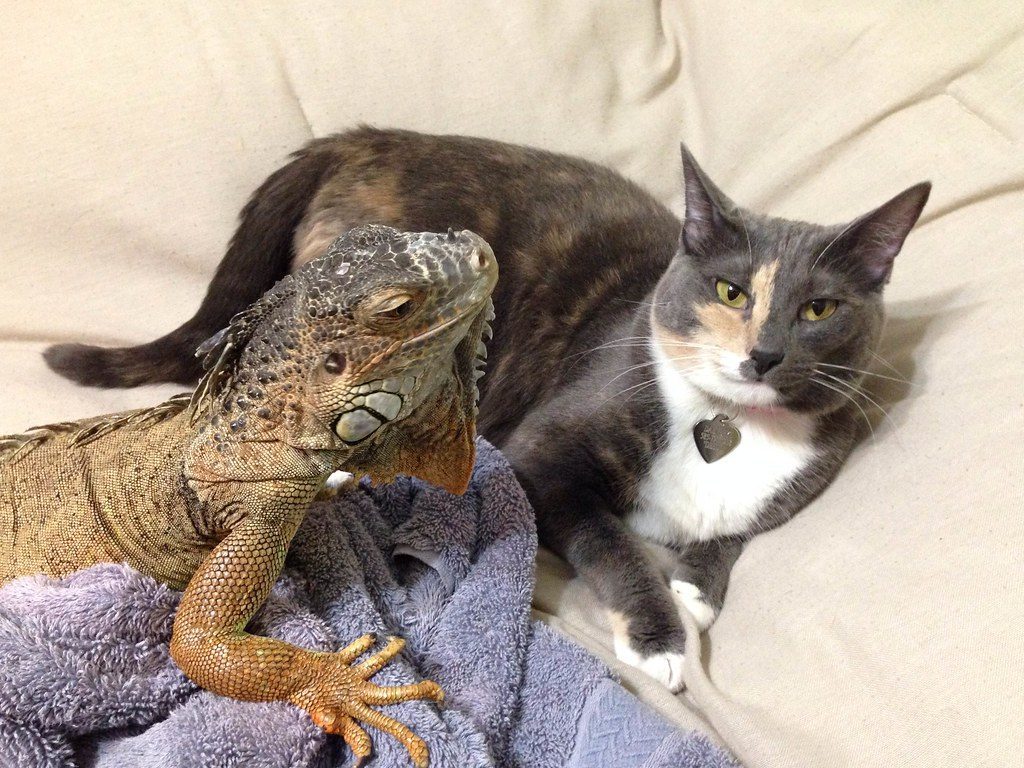
There is a moment every pet owner knows: you look at your dog stretched out on the couch, your cat curled in a sunbeam, your rabbit twitching in contentment — and you feel the full weight of what it means to be responsible for another living being’s happiness. They cannot tell you what hurts, what they need, or what they are craving. They depend entirely on you. And they love you unconditionally for getting it right.
Proper pet care is not a passive activity. It is an informed, daily commitment to providing the nutrition, healthcare, grooming, mental stimulation, and emotional security that every companion animal needs to live a long, healthy, joyful life. In 2026, American households own more pets than at any point in recorded history — approximately 90.5 million US households share their homes with at least one pet, spending an estimated $143.6 billion annually on pet products, veterinary services, food, grooming, and accessories, according to the American Pet Products Association (APPA) industry data.
Yet despite this enormous investment of love and money, surveys consistently show that most pet owners are uncertain about care fundamentals: how much to feed, when to vaccinate, what grooming frequency is appropriate, which pet products are genuinely worth the investment, and how to read the behavioral signals that tell you when something is wrong. This guide changes that.
This is the most comprehensive pet care resource on the internet for 2026 — covering dogs and cats in depth, essential pet products, grooming, nutrition, training, health monitoring, and the digital resources (including expert-authored care eBooks) that help every owner make better decisions for the animals they love.
What this complete pet care guide covers:
- Complete dog care: nutrition, grooming, training, health, and enrichment
- Complete cat care: the unique needs that separate feline from canine care
- Essential pet products every owner needs in 2026
- Pet grooming at home: tools, techniques, and professional timing
- Pet nutrition decoded: reading labels, choosing food, avoiding mistakes
- Preventive pet health care: vaccines, parasites, and wellness checks
- Training and behavioral guidance for happy, well-adjusted pets
- Pet care for small animals, birds, and aquatic companions
- Building your your care library with expert eBooks
| Pet Care Category | Dogs | Cats | Small Animals |
|---|---|---|---|
| Feeding frequency (adult) | 2× daily | 2–3× daily | Varies by species |
| Grooming frequency | Weekly–monthly | Weekly brushing | Species-dependent |
| Vet visits (healthy adult) | 1× annually | 1× annually | 1× annually |
| Dental care | Daily brushing ideal | Daily brushing ideal | Species-dependent |
| Daily exercise minimum | 30 min–2 hours | 20–30 min play | Species-dependent |
| Lifespan (average) | 10–13 years | 12–18 years | Varies widely |
Complete Cat Care Guide 2026: Understanding the Unique Needs of Feline Companions
Cat care is a discipline unto itself — and one of the most common mistakes cat owners make is applying dog care logic to a species with fundamentally different behavioral instincts, nutritional requirements, social structures, and health vulnerabilities. Cats are not small dogs. They are obligate carnivores with independent social organization, specific hydration needs, and unique stress responses that require a cat care approach tailored to their species.
Cat Nutrition: The Obligate Carnivore Diet
Cat care nutrition starts with a biological fact: cats are obligate carnivores who cannot synthesize certain essential nutrients (taurine, arachidonic acid, vitamin A as retinol, niacin) from plant sources. These nutrients must come from animal tissue — which is why all-plant or primarily-plant diets are fundamentally incompatible with proper cat care, regardless of how they are marketed.
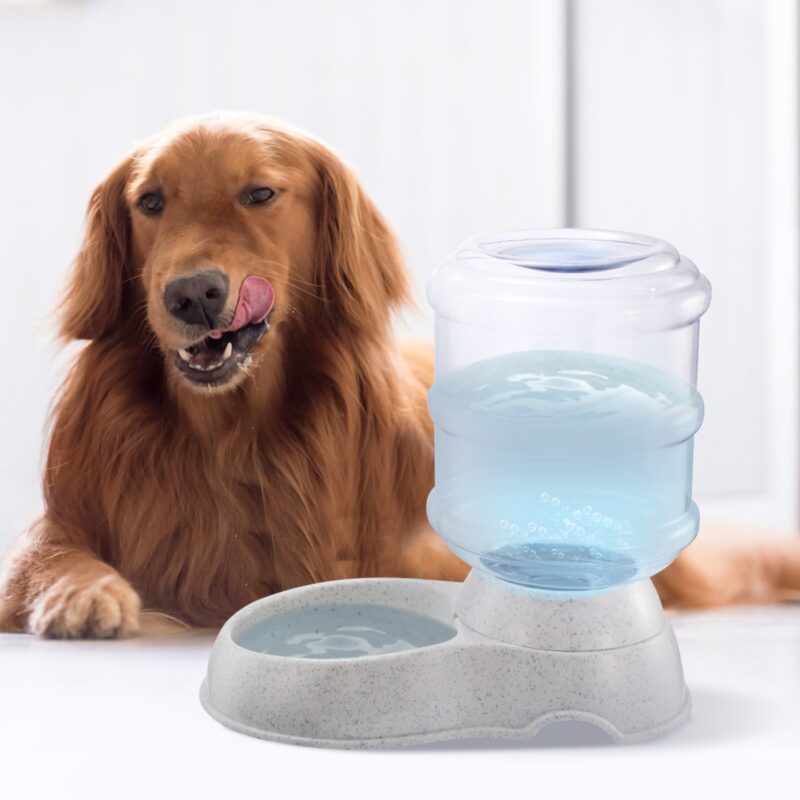
The most important pet care consideration for cat feeding in 2026 is hydration. Cats evolved as desert animals who obtained most of their moisture from prey, and they have relatively low thirst drives compared to dogs. A cat eating exclusively dry food is typically chronically under-hydrated — a cat care condition associated with urinary tract disease, kidney disease, and bladder crystals that are among the most common feline health problems veterinarians treat. Wet food, raw food, or supplemental water fountains are essential cat care tools for maintaining adequate hydration.
Cat Grooming: Pet Care for the Self-Sufficient Groomer
Cats are famously meticulous self-groomers, but cat care does not end with allowing them to manage their own coats. Even the most fastidious cat benefits from regular brushing that removes dead hair (reducing hairballs), allows skin and coat inspection, and strengthens the human-feline bond through positive physical contact. Long-haired breeds (Maine Coon, Persian, Ragdoll) require daily brushing as essential this practice — matting in these coats develops rapidly and causes significant discomfort that cats cannot resolve through self-grooming alone.
Cat nail trimming is often overlooked in cat care routines, but overgrown claws can curl and grow into the paw pad — causing significant pain and infection. Trim every 2–4 weeks. Dental cat care follows the same principles as dog dental care: daily brushing with feline-specific toothpaste is ideal, and regular veterinary dental examinations are essential pet care for preventing periodontal disease that affects the majority of adult cats.
Cat Health and Wellness
The ASPCA’s care guidelines recommend annual veterinary visits for all cats, with semi-annual visits for senior cats (over age 7). The most common preventable conditions in feline care practice are obesity (affecting approximately 60% of US cats), dental disease (affecting 70%+ of cats over age 3), urinary tract disease (strongly connected to diet and hydration), and hyperthyroidism (the most common endocrine disorder in senior cats).
Indoor-only cat care significantly reduces exposure to parasites, infectious diseases, trauma, and predation risk — contributing to the dramatically longer average lifespan of indoor cats (12–18 years) versus outdoor cats (5–7 years average). Enrichment pet care for indoor cats — providing climbing structures, interactive toys, puzzle feeders, and window perches — addresses the behavioral and psychological needs that outdoor access would otherwise fulfill.
Pet Nutrition Decoded: Reading Labels, Choosing Food, Avoiding Mistakes
Pet nutrition is one of the areas where marketing most dramatically diverges from science — and where misinformed pet care decisions have the most direct impact on animal health. Understanding how to evaluate pet food allows you to cut through the noise and make dog and cat food selections based on nutritional reality rather than packaging appeal.
How to Read a Pet Food Label
The ingredient list on a pet food package follows a simple rule: ingredients are listed by weight before cooking. This means that “chicken” (which contains approximately 70% water) may appear first on the label, but after cooking becomes a much smaller proportion of the final food than its label position suggests. “Chicken meal” — pre-dried chicken that has had moisture removed — provides more concentrated protein per pound and is a high-quality ingredient that is actually superior to “fresh chicken” on a dry weight basis, despite sounding less premium.
Key animal nutrition label terms:
- AAFCO complete and balanced: The most important pet food label claim — AAFCO (Association of American Feed Control Officials) establishes minimum nutritional standards, and foods certified as “complete and balanced” for your pet’s life stage meet these requirements. This is the baseline requirement for any food selected for your pet care program.
- Crude protein percentage: Appears in the Guaranteed Analysis section. Higher is generally better for carnivorous pets, but the quality of the protein source matters as much as the quantity — plant proteins like pea protein count toward the total but are less biologically appropriate for cats and dogs than animal-source proteins.
- Moisture content: Dry food averages 10% moisture; wet food averages 70–80%. This dramatic difference means that a pet eating only dry food must drink significantly more water to compensate — a significant care challenge particularly significant for cats whose drive to drink is limited.
Pet Grooming Guide: From Basics to Professional Techniques
Pet grooming is one of the most frequently underestimated components of comprehensive pet care — and one of the areas where proper technique and the right pet products produce the most immediately visible improvement in your pet’s wellbeing and appearance. This pet grooming guide covers both at-home pet care grooming practice and the integration of professional grooming services for the best overall results.
Building Your At-Home Pet Grooming Routine
Effective at-home pet grooming begins with establishing a consistent routine that your pet associates with positive experience — particularly important for puppies and kittens who have not yet formed their grooming associations. Starting gentle, keeping sessions short, and using high-value treats throughout the process creates the positive grooming association that makes lifetime pet care significantly easier.
A complete at-home pet grooming session for most dogs covers: brushing first (removing tangles before bathing), bathing with appropriate shampoo, thorough rinsing (incomplete rinsing causes skin irritation), high-velocity or towel drying, a second post-dry brush to achieve finished coat alignment, nail trimming, ear inspection and cleaning if needed, and finally a dental care check. This sequence — followed consistently as part of weekly or bi-weekly care practice — keeps most dogs between-professional-appointment-ready at all times.
Professional Pet Grooming: When to Go, What to Expect
Professional pet grooming is appropriate whenever: the breed standard requires haircuts beyond what at-home pet care equipment can achieve (poodles, schnauzers, bichons, doodles); the coat has become significantly matted through neglected brushing pet care; or the owner prefers to delegate grooming to a professional for any reason. Most professional pet groomers recommend appointments every 6–8 weeks for breeds requiring regular haircuts, and every 3–6 months for double-coated breeds that benefit from professional deshedding treatments.
Building Your Pet Care Knowledge Library with Expert eBooks
Consistent, informed pet care decisions require more than a single article — they require an ongoing relationship with reliable, expert-level information that grows with you and your pet through every life stage. This is where a carefully curated care eBook library becomes one of the most valuable investments any pet owner makes.
Expert-authored care eBooks provide the depth and specificity that general web searching cannot: breed-specific care protocols, condition-specific management guides, training programs with step-by-step progressions, nutrition guides that go beyond label-reading basics, and behavioral guidance grounded in current animal science research rather than outdated conventional wisdom.
At ArbsBuy, we have assembled the most comprehensive collection of expert care eBooks available, covering every major pet species, life stage, and care domain:
- Dog Care Guides: Complete breed-specific care, senior dog care, puppy development, nutrition planning, and health monitoring guides written by veterinary and behavioral professionals
- Cat Care Guides: Feline nutrition science, behavioral enrichment, multi-cat household management, and senior our cat resources
- Pet Training Guides: Positive reinforcement training programs for every skill level — from fundamental puppy pet care through advanced behavioral rehabilitation
- Small Animal Pet Care Guides: Species-specific guides for rabbits, guinea pigs, hamsters, and other small companions
Every ArbsBuy care eBook is available as an instant digital download — no waiting, no shipping, immediate access to the expert guidance that makes you a better, more confident pet care provider. Explore our complete ArbsBuy our collection and our best-selling pet care guides that thousands of pet owners have relied on for practical, reliable information.
Frequently Asked Questions About Pet Care
How often should I take my pet to the vet?
The standard the recommendation is annual wellness examinations for healthy adult pets. Puppies and kittens require more frequent visits during their first year of pet care (every 3–4 weeks through 16 weeks for vaccine series completion, then at 6 months for spay/neuter consultation). Senior pets — dogs over age 7 and cats over age 10 — benefit from semi-annual veterinary pet care examinations because age-related conditions develop and progress more rapidly than in younger animals.
What is the best food for my dog or cat?
The best food for your specific pet depends on their species (dogs are omnivores; cats are obligate carnivores), life stage (puppy/kitten, adult, senior), body condition (normal weight, overweight, underweight), and any specific health conditions requiring nutritional management. As a pet care foundation: look for foods with animal protein as the first ingredient, an AAFCO complete and balanced statement for your pet’s life stage, and appropriate moisture content for the species (wet food is particularly important for cats). Consult your veterinarian for animal nutrition guidance specific to your individual animal.
How do I know if my pet is sick?
Behavioral changes are often the earliest indicators of illness in pet care — and the ones most often missed because they require familiarity with your individual pet’s normal patterns. Signs that warrant veterinary attention as part of responsible pet care: changes in appetite (eating more or less than usual), changes in water consumption (drinking significantly more or less), changes in elimination (frequency, consistency, presence of blood), changes in activity level (lethargy or restlessness), changes in coat quality (dull, patchy, or excessive shedding), vomiting or diarrhea lasting more than 24 hours, and any sudden behavioral change that is unusual for your specific animal.
How much exercise does my pet need?
Exercise needs in pet care vary dramatically by species, breed, age, and health status. Adult dogs require a minimum of 30 minutes of moderate exercise daily as baseline pet care — high-energy breeds (Border Collie, Australian Shepherd, Vizsla) need 1–2 hours or more. Cats need 20–30 minutes of interactive play daily as minimum pet care — in addition to access to environmental enrichment that allows self-directed movement and exploration. Senior pets and those with joint conditions require pet care exercise approaches adapted to their limitations.
What pet products are actually worth buying?
The pet care products that consistently deliver genuine value are those that address specific, documented animal needs: orthopedic beds for joint support, high-quality harnesses for safe walking, interactive feeders for mental stimulation, water fountains for adequate hydration (especially for cats), and professional-grade grooming tools for effective coat care. The pet products least likely to deliver value are those marketed primarily to human aesthetics (fancy pet clothing for non-cold-sensitive breeds) or to anxiety (products making unsubstantiated calming claims without research support). For evidence-based pet product recommendations across every category, our ArbsBuy Pet Care Guides provide detailed, research-informed buying guidance.
Conclusion: Great Pet Care Is a Journey, Not a Destination
The best pet owners are not those who started with perfect knowledge — they are those who committed to continuing to learn, adapted their care practice as their animals aged and their understanding deepened, and sought expert guidance rather than guessing when they were uncertain. Every animal is an individual, and truly excellent pet care requires knowing not just the general principles of dog care or cat care, but the specific needs, preferences, and health patterns of your specific companion animal.
The investment you make in pet care knowledge — through resources like this guide, through veterinary relationships built on trust and regular communication, and through expert-authored educational materials — returns to you in years of additional healthy life for your pet, reduced veterinary costs from prevented conditions, and the irreplaceable quality of a relationship between human and animal that is as enriching as it is rewarding.
At ArbsBuy, our mission is to support every pet owner in providing the highest standard of pet care for every animal in their home — through the premium pet products that make daily pet care more effective, and the expert-authored eBooks that give you the knowledge to make every pet care decision with confidence. Whether you are a first-time puppy owner navigating the overwhelming first year of dog care or an experienced multi-pet household looking for the most current, science-based guidance, ArbsBuy is your partner in pet care excellence.
Explore our complete Pet Care Guides collection, browse our Pet Training Guides, and discover the best-selling care resources that thousands of owners trust for the animals they love.
Ready to Become the Ultimate Pet Parent?
Download our expert-authored Pet Care Mastery eBook Series — complete A-to-Z guides covering dog care, cat care, training, grooming, nutrition & health. Everything in this article, and 10× more — in one place.
🛒 Shop Pet Care eBooks — Instant Download✅ Instant PDF delivery | ✅ Expert-authored | ✅ 100% satisfaction
Trusted Veterinary & Expert Sources
📄 Sources & References
- AVMA (2022): U.S. Pet Ownership Statistics — 90.5M US households own at least one pet — https://www.avma.org/resources-tools/reports-statistics/us-pet-ownership-statistics
- AAHA Preventive Healthcare Guidelines: Complete preventive care framework for dogs, cats and small animals across all life stages — https://www.aaha.org/aaha-guidelines/preventive-healthcare
- American Pet Products Association (2023): Pet industry expenditures — $147B total US pet spend, up 10.8% year-over-year — https://www.americanpetproducts.org
- ASPCA: Complete Pet Care Resource Library — nutrition, health, behavior and emergency care by species — https://www.aspca.org/pet-care