

⚡ Quick Answer
Most dogs eat grass occasionally and it is completely normal behaviour — not a reliable sign of illness in the majority of cases. Research studies show that only approximately 25% of grass-eating dogs vomit afterwards, directly contradicting the widespread belief that dogs eat grass specifically to induce vomiting. The most common reasons are: dietary fibre instinct (particularly in dogs fed low-fibre diets), taste preference (many dogs genuinely enjoy the flavour and texture of fresh grass), and boredom or oral stimulation. Grass-eating warrants attention only when it is sudden, compulsive, and accompanied by anxiety.
💡 Expert Tip
If your dog suddenly starts eating large quantities of grass in an urgent, compulsive way — rather than casually snacking while exploring — this specific pattern is more likely linked to gastrointestinal discomfort, nausea, or intestinal inflammation than casual grass preference. Compulsive grass eating accompanied by lip-licking, frequent swallowing, or obvious distress warrants a vet visit within 24 hours.
📋 Table of Contents
You open the back door, your dog bolts into the garden, drops their nose to the ground, and starts methodically chomping through the lawn like a tiny lawnmower. You watch in confusion, wondering: Is something wrong? Should I stop them? Are they sick? If your dog eats grass regularly, you are part of an enormous club — grass-eating is the single most common plant-related behavior in domestic dogs, observed in nearly 80% of dogs that have regular access to outdoor spaces.
The question of why dogs eat grass has genuinely puzzled veterinarians and dog behaviorists for decades. Unlike most dog behaviors, grass-eating has no single explanation — it is driven by a combination of biology, instinct, nutritional factors, and sometimes pure preference. This comprehensive guide explores all seven proven reasons why dogs eat grass, explains exactly when it is completely normal versus when it signals a problem, and gives you practical strategies to manage the behavior if needed.
🐾 Quick Answer
Dogs eat grass for 7 main reasons: instinct from wild ancestors, fiber supplementation, digestive self-medication, boredom and under-stimulation, nutritional deficiency, genuine taste preference, and pica (compulsive eating of non-food items). In the vast majority of cases, occasional grass-eating is completely normal and harmless. It becomes a concern when your dog eats grass compulsively, shows other illness signs, or has access to grass treated with chemicals.
Is It Normal for Dogs to Eat Grass?
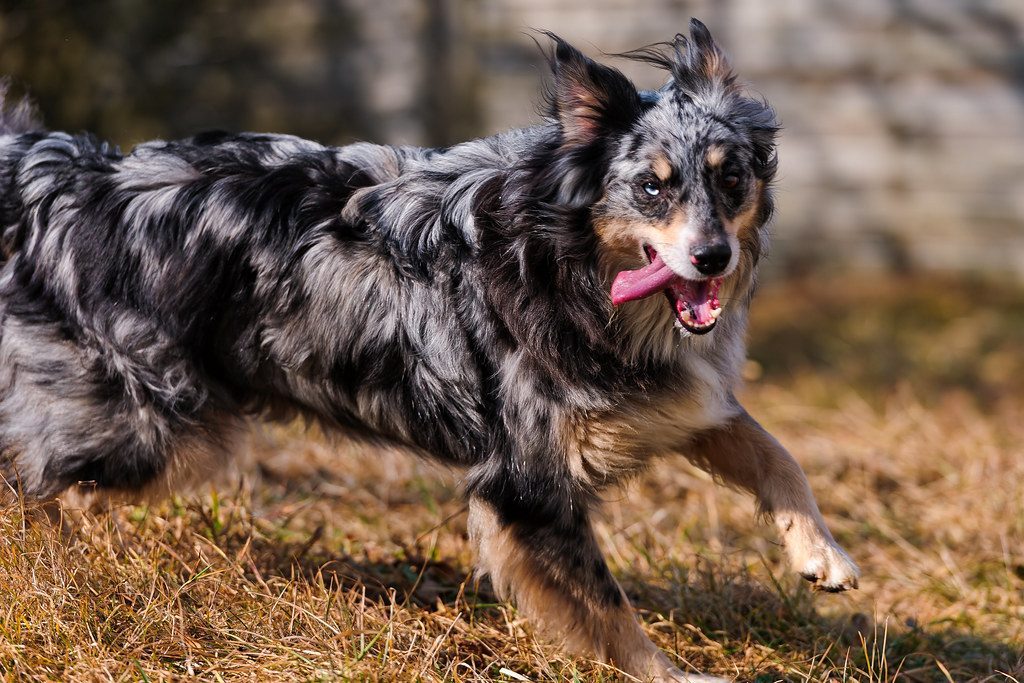
Yes — dogs eating grass is one of the most normal behaviors in the canine behavioral repertoire. Research consistently confirms this. A study published in a major veterinary journal found that 79% of dogs with regular access to grass and other plants had eaten plants at some point. A separate survey found that grass was the most commonly eaten plant by far — more than any other vegetation available to dogs.
According to research cited by VCA Animal Hospitals, fewer than 10% of dogs that eat grass show signs of illness beforehand, and fewer than 25% vomit afterward. The common belief that dogs eat grass because they are sick and need to vomit is not supported by the majority of research. Most dogs that eat grass are healthy before and after.
That said, understanding the specific reason your dog eats grass — and recognizing the signs that distinguish normal behavior from a genuine health concern — is genuinely valuable knowledge for every dog owner.
7 Real Reasons Why Your Dog Eats Grass
Ancestral Instinct — It Is Literally in Their DNA
The most fundamental reason why dogs eat grass has nothing to do with being unwell — it is simply ancestral programming. Wild canines — wolves, jackals, foxes, coyotes — regularly consume plant material as part of their natural diet. Studies of wolf stomach contents find that 2–10% of their food intake consists of plant matter, including grasses. When a wild canid made a kill, they consumed the entire prey animal — including the stomach contents, which frequently included partially digested grasses and vegetation.
Modern domestic dogs retain this plant-eating programming despite thousands of years of domestication and consistently available commercial food. The behavior is particularly common in younger dogs and puppies, where ancestral instincts are often more strongly expressed before the dog settles into the rhythms of domestic life.
✅ Completely Normal — No Action NeededFiber Supplementation — Your Dog Knows What Their Gut Needs
Dogs require dietary fiber for healthy digestion — fiber feeds beneficial gut bacteria, supports regular bowel movements, and maintains the health of the intestinal lining. Many commercial dog foods, particularly lower-quality dry kibbles with high grain filler content, do not provide adequate fiber in a digestible form that suits the individual dog’s gut microbiome.
When a dog’s fiber intake is insufficient, they may instinctively seek out grass as a roughage source. The evidence for this mechanism is compelling: PetMD reports on a case study of a Miniature Poodle that had eaten grass and then vomited every day for seven consecutive years. Within just three days of being switched to a high-fiber commercial diet, the grass-eating behavior stopped completely and did not return. This is one of the strongest pieces of evidence that dogs eat grass as a genuine dietary self-supplementation behavior.
⚠️ Consider Diet Review — May Indicate Low Fiber IntakeDigestive Self-Medication — Natural Relief for an Unsettled Stomach
While research shows that the majority of dogs eating grass are not sick beforehand, a meaningful subset — estimated at up to 10% — do appear to eat grass specifically when their stomach is unsettled. Grass is fibrous and slightly abrasive on the way down; in some dogs, it may stimulate the gag reflex and trigger vomiting that provides relief from nausea or indigestion. Additionally, grass contains compounds that can help regulate stomach acid and soothe gastric inflammation.
Dogs that suddenly begin eating large quantities of grass with obvious urgency — particularly when combined with other signs like restlessness, lip-licking, or repeated swallowing — are more likely eating grass for this medicinal purpose than the casual grazer who nibbles grass during normal walks. If your dog falls into the former category regularly, a veterinary evaluation to rule out gastric reflux, inflammatory bowel disease, or pancreatitis is warranted.
⚠️ Monitor — Occasional OK, Frequent Warrants Vet CheckBoredom and Insufficient Mental Stimulation
A dog that eats grass compulsively — especially one that appears to do so more intensely when under-exercised or left alone — may be doing so primarily out of boredom. Dogs denied adequate mental and physical stimulation develop a range of repetitive behaviors to self-stimulate: digging, excessive chewing, tail chasing, and grass eating are all common expressions of this chronic under-stimulation.
This form of grass-eating is behaviorally driven rather than physiologically driven, which means dietary changes will not resolve it. The solution is increasing daily physical exercise, providing interactive puzzle toys and enrichment, and ensuring sufficient owner-directed play sessions. Dogs that receive two 30-minute exercise sessions daily plus regular mental enrichment show dramatic reductions in all compulsive behaviors — including boredom-driven grass eating. If your dog eats grass mainly when bored or under-stimulated, explore our complete guide on the best interactive dog toys for evidence-based enrichment solutions.
✅ Normal — Increase Exercise and EnrichmentNutritional Deficiency
Beyond fiber specifically, dogs may eat grass when their overall diet is deficient in certain vitamins, minerals, or micronutrients. Grass contains chlorophyll, folic acid, and trace minerals that are present in higher concentrations in fresh plant matter than in many processed commercial foods. A dog instinctively supplementing specific nutritional gaps through grass-eating is demonstrating the remarkable self-regulatory capacity that many animal species possess.
If you suspect nutritional deficiency is driving your dog’s grass-eating behavior, the first step is switching to a higher-quality complete dog food — ideally one where the first ingredient is a named protein source and that meets AAFCO nutritional standards for your dog’s life stage. Your veterinarian can also run bloodwork to identify specific deficiencies. For a comprehensive guide to giving dogs the best possible nutrition through homemade meals, our Dog Food Cookbook ebook provides 50+ vet-reviewed recipes.
⚠️ Review Diet Quality — Consult Vet if Behavior is FrequentThey Simply Enjoy It
This explanation is perhaps the most straightforward — and often the most overlooked. Dogs may eat grass simply because they enjoy the taste, smell, or texture. Fresh spring grass has a naturally sweet flavor from higher sugar content; dew-covered morning grass has an appealing cool, crisp texture. For dogs that primarily eat dry kibble, the sensory experience of fresh grass may be genuinely pleasurable and novel.
Dogs that eat grass in a relaxed, leisurely way — showing no signs of urgency or distress, not vomiting afterward, and not doing it exclusively in any particular situation — are almost certainly eating it purely for enjoyment. This is as harmless as a human eating an apple because they enjoy the taste. As long as the grass is free from chemical treatment, this form of grass-eating in dogs requires no intervention at all.
✅ Completely Normal — No Action NeededPica — Compulsive Ingestion of Non-Food Items
Pica is a condition in which dogs compulsively eat non-food items — rocks, soil, fabric, paper, plastic, and grass among others. Unlike the other six reasons above, pica is a genuine behavioral disorder that requires veterinary evaluation. A dog with pica does not selectively nibble grass during walks — they compulsively seek out and eat non-food materials across multiple categories, often with urgency and persistence that overrides normal food-seeking behavior.
Pica can have medical causes (nutritional deficiency, gastrointestinal disease, neurological conditions) or behavioral causes (anxiety, obsessive-compulsive disorder in dogs). If your dog eats grass compulsively alongside other non-food items and the behavior cannot be redirected, a full veterinary behavioral evaluation is recommended.
🚨 Requires Veterinary EvaluationWhy Does My Dog Eat Grass and Then Vomit?
The question of why dogs eat grass and vomit is one of the most searched pet health questions — and the answer is more nuanced than most online sources suggest. There are two distinct scenarios:
Scenario 1: Grass-Eating Leads to Vomiting (Less Common)
Some dogs eat grass specifically when their stomach is unsettled, and the physical act of swallowing dry, fibrous grass blades stimulates the gag reflex and triggers vomiting. The vomiting provides relief from nausea or indigestion. In these cases, vomiting is the goal — the dog is intentionally using grass as a self-medication tool. However, research from the AKC and multiple veterinary institutions confirms this applies to only around 25% of dogs that eat grass — significantly less than popularly believed.
Scenario 2: Vomiting Occurs Coincidentally (More Common)
Many dogs vomit after eating grass for a simpler mechanical reason: they swallowed long grass blades without properly chewing them. Intact grass blades can irritate the stomach lining on the way down, triggering a vomiting reflex that is incidental rather than intentional. These dogs were not sick before eating the grass and would not have vomited had they not eaten it.
✅ The key distinction: Does your dog show signs of illness — lethargy, lip-licking, restlessness, repeated swallowing — before eating grass? If yes, the vomiting is likely intentional self-medication and warrants monitoring. If your dog appears completely normal before eating grass and occasionally vomits afterward, it is more likely the mechanical irritation scenario — generally harmless but worth mentioning at your next vet visit.
When Dog Grass-Eating Becomes a Warning Sign — Call Your Vet
While dogs eating grass is usually harmless, these specific signs indicate that veterinary evaluation is needed:
Sudden Dramatic Increase in Grass-Eating
A previously non-grazing dog suddenly eating large amounts of grass urgently — especially when combined with other behavioral changes
Blood in Vomit After Eating Grass
Any blood in vomit — whether from grass-eating or any other cause — is an emergency. Seek veterinary care immediately.
Grass-Eating + Other Illness Signs
Lethargy, loss of appetite, diarrhea, weight loss, or excessive thirst alongside frequent grass-eating warrants full evaluation
Grass Eating Multiple Times Daily
Frequent, compulsive daily grass-eating that cannot be redirected suggests pica or an underlying GI condition
Eating Other Non-Food Items Too
Grass-eating alongside consumption of rocks, soil, fabric, or other non-food items indicates pica — requires behavioral and medical evaluation
Persistent Vomiting After Grass
Vomiting every time after eating grass, especially with bile or undigested food, suggests an underlying digestive condition that needs diagnosis
Safe Grass vs Dangerous Grass — What Every Dog Owner Must Know
Even when your dog eating grass is behaviorally normal, the grass itself may not be safe. This is the distinction that matters most practically:
✅ Generally Safe Grass
- Your own garden — untreated, unsprayed lawn
- Organic grass with no fertilizer, pesticide, or herbicide application in the past 72+ hours
- Short, young grass blades (less likely to cause mechanical GI issues than long blades)
- Grass away from roadsides (no vehicle exhaust and salt contamination)
- Certified pet-safe grass seed lawns
🚫 Dangerous Grass — Prevent Access
- Any grass recently treated with pesticides, herbicides, or fertilizers (at minimum 48–72 hours after treatment)
- Roadside grass (contaminated with vehicle emissions, road salt, antifreeze runoff)
- Public park grass (unknown chemical treatment history)
- Grass near treated flower beds or garden areas
- Long grass with seed heads (grass awns can penetrate skin, ears, paws)
⚠️ Grass Awns — An Underestimated Danger
- Grass awns are the seed heads of mature grass — shaped like tiny barbed darts that migrate inward once they contact skin
- They can penetrate paws, work into ears causing painful infections, or enter through the nose or eyes
- They can migrate internally through tissue — causing abscesses wherever they travel
- Always check your dog’s paws, ears, and coat after walks through long or mature grass
How to Reduce or Redirect Grass-Eating If Needed
Grow Cat Grass or Wheatgrass Indoors
Provide a dedicated, safe grass-growing pot of wheatgrass or oat grass — chemical-free and designed for pet grazing. Your dog gets the grass-eating satisfaction without any outdoor chemical exposure.
Increase Daily Exercise and Play
For boredom-driven grass eaters, 30 minutes of vigorous exercise before outdoor time dramatically reduces grass-eating behavior by fulfilling the activity needs that underlie the behavior.
Offer Safe High-Fiber Dog-Friendly Vegetables
Carrots, green beans, cucumber, and cooked sweet potato satisfy the fibrous craving that may drive grass-eating. These provide the roughage dogs seek — without any outdoor exposure risk.
Switch to Higher-Fiber Dog Food
If your dog eats grass frequently and you have ruled out boredom, try switching to a higher-fiber, whole-food-based dog food. For dogs that eat grass due to nutritional gaps, improved diet often resolves the behavior within days.
Redirect with High-Value Training
Teach a reliable “Leave It” command (see our puppy training guide for instructions). When your dog approaches grass to eat, give the cue and redirect to a toy or treat. Consistent reinforcement reshapes the habit over 2–4 weeks.
Provide Pre-Walk Mental Enrichment
Feed your dog from a puzzle feeder or give a treat-stuffed toy before outdoor time. A mentally engaged dog has less cognitive bandwidth for compulsive behaviors like boredom-grass-eating during walks.
The Diet-Grass Connection — What Your Dog’s Grass-Eating May Be Telling You
Of all the reasons why dogs eat grass, the diet connection is the most actionable. If your dog is a frequent grass-eater — particularly one that seems to seek it out deliberately rather than casually — their current food may not be meeting their needs. Key nutritional gaps linked to grass-eating behavior include:
| Nutritional Gap | Signs Beyond Grass-Eating | Solution |
|---|---|---|
| Insufficient dietary fiber | Loose stools, constipation, irregular digestion | High-fiber food; add pumpkin puree, green beans |
| Folic acid deficiency | Poor coat quality, low energy | Switch to whole-food-based food; add leafy greens |
| Micronutrient gaps | Dull coat, low energy, picky eating | Higher-quality food; consider vet-approved supplement |
| Low protein quality | Muscle loss, hunger after meals | Food with named protein as first ingredient |
| Food not satiating | Constant food-seeking behavior | Meal-feeding schedule; slow feeder; higher-satiety food |
For a comprehensive approach to optimal dog nutrition — including detailed guidance on both commercial and homemade dog food that eliminates the nutritional gaps that drive grass-eating — our expert-written Dog Health & Care ebook covers every aspect of canine nutrition in practical, vet-reviewed detail.
Dog Health & Care Complete Guide — Instant Download
Expert nutrition guidance · Behavior chapter · Health monitoring · Preventive care · 130+ pages · PDF worldwide · $9.99
Frequently Asked Questions — Why Does My Dog Eat Grass?
Final Thoughts — Why Does My Dog Eat Grass?
The answer to why your dog eats grass is almost certainly benign — ancestral instinct, a preference for fiber, enjoyment, or simply because the morning grass tastes appealing. Occasional, relaxed grass-eating in a healthy dog with access to chemical-free lawn is one of the most normal behaviors in the canine world, documented in nearly 80% of dogs across all breeds, ages, and dietary patterns.
The behaviors to watch for are specific and clear: urgency and compulsion that overrides normal behavior, grass-eating alongside other illness signs, blood in vomit, or consumption of grass alongside other non-food items. These warrant veterinary attention. Everything else — your dog lazily grazing through your garden while you drink morning coffee — is simply dogs being dogs, in exactly the way their wild ancestors were.
For a comprehensive resource on dog health, nutrition, and behavior — including a detailed chapter on dietary optimization that addresses the nutritional gaps that drive grass-eating — explore our Dog Health & Care Complete Guide, available for instant download. For premium dog products including slow feeders, puzzle toys, and grooming essentials, browse our full dog products range at Arbsbuy with free USA shipping.
Shop Premium Dog Products at Arbsbuy
Puzzle toys · Slow feeders · Harnesses · Water bottles · Free USA shipping · 30-day guarantee · USA warehouse
Sources: VCA Animal Hospitals — Why Dogs Eat Grass | PetMD — Dog Grass-Eating Guide | American Kennel Club — Grass Eating | ASPCA — Dog Care
📄 Sources & References
- Applied Animal Behaviour Science (2008): Grass eating in dogs — 79% ate grass occasionally; only 22% showed illness afterward — https://www.sciencedirect.com/journal/applied-animal-behaviour-science
- AVMA: Canine Pica Behavior — when grass-eating signals an underlying medical issue — https://www.avma.org
- Cornell University College of Veterinary Medicine: Gastrointestinal behavior in dogs — grass, dirt and foreign material ingestion patterns — https://www.vet.cornell.edu
- Journal of Veterinary Behavior: Compulsive grass eating vs. opportunistic foraging — differentiating normal from abnormal behavior — https://www.journalvetbehavior.com