
⚡ Quick Answer
Dog allergy symptoms include persistent itching, paw licking and chewing, recurrent ear infections, skin redness and hot spots, and seasonal hair loss. There are four allergy types — environmental (most common), food, flea allergy dermatitis (FAD), and contact — and each requires a completely different treatment approach. FAD is the most frequently overlooked: if your dog is allergic to fleas, a single flea bite every 2–3 weeks is enough to maintain a constant allergic reaction. Rule out FAD with strict, year-round flea prevention for 8 weeks before investigating other allergy types.
💡 Expert Tip
Never investigate food allergy and environmental allergy at the same time. If your dog improves, you will not know which change worked — and you will need to repeat the entire process. Eliminate one variable at a time: start with 8 weeks of rigorous flea prevention (treating the dog and the entire environment), then if needed move to a veterinary elimination diet trial (minimum 8–12 weeks on a hydrolysed or novel protein diet with zero exceptions).
📋 Table of Contents
- What Are Dog Allergies and How Common Are They?
- 4 Main Types of Dog Allergies Explained
- 12 Dog Allergy Symptoms to Watch For
- Where Dog Allergies Show Up on the Body
- How to Identify Which Type of Allergy Your Dog Has
- How Vets Diagnose Dog Allergies
- Dog Allergy Treatment Options — Complete Guide
- Home Management — Reduce Symptoms Daily
- Dog Breeds Most Prone to Allergies
- Frequently Asked Questions
- Final Thoughts
Your dog will not stop scratching. Their paws are stained red-brown from constant licking. They have had three ear infections in the past six months. You have switched their food twice, tried different shampoos, and consulted your vet — but the symptoms keep returning. If this sounds familiar, your dog is likely dealing with allergies — one of the most prevalent and most frequently mismanaged health conditions in domestic dogs.
Understanding dog allergy symptoms requires more than simply recognising that your dog is itchy. It requires understanding the different types of allergies, how each presents differently, why location of symptoms matters enormously in diagnosis, and why the treatment that works for one type of allergy is completely ineffective for another. This complete guide provides the comprehensive knowledge you need — from the first symptoms through to the most current treatment options available in 2026.
🐾 Quick Answer
Recognising dog allergy symptoms early is key to getting your dog comfortable and preventing secondary infections. Dog allergy symptoms most commonly manifest as persistent itching, paw licking, ear infections, red inflamed skin, and hair loss — particularly around the face, paws, armpits, and abdomen. The 4 main types are: environmental allergies (atopic dermatitis), flea allergy dermatitis, food allergies, and contact allergies. Unlike human allergies which primarily cause respiratory symptoms, dog allergies almost always present through the skin. Diagnosis and treatment require veterinary involvement — self-diagnosis is unreliable and the wrong treatment may worsen symptoms.
What Are Dog Allergies and How Common Are They?
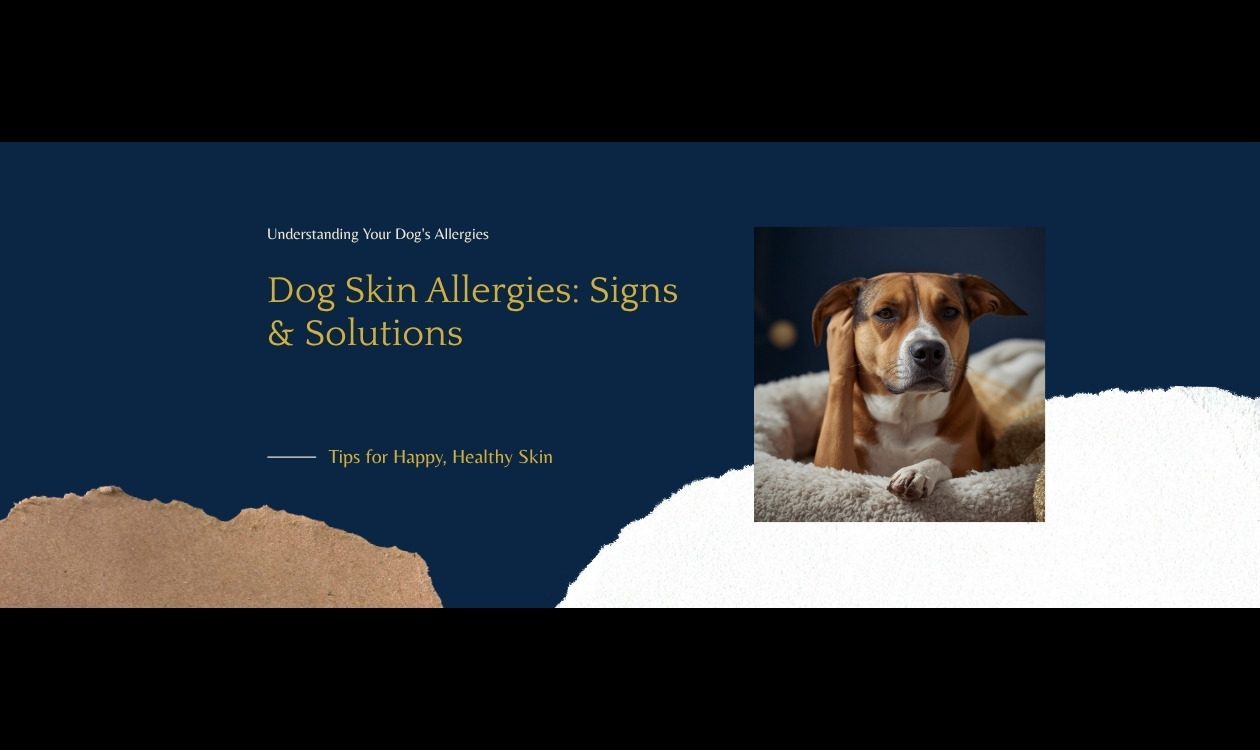
Dog allergies occur when the dog’s immune system misidentifies a normally harmless substance as a threat and mounts an exaggerated defensive response. This immune overreaction produces the symptoms we recognise as allergy signs — inflammation, itching, digestive upset, and in severe cases, anaphylaxis. The substance that triggers this response is called an allergen.
Allergies in dogs are significantly more common than many owners realise. Research cited by the American Animal Hospital Association (AAHA) indicates that up to 20% of dogs will develop an allergic condition during their lifetime. In the USA, allergic skin disease is consistently the most common reason dogs are presented to veterinary dermatologists — and among the top five reasons for all veterinary visits.
“One of the most important things owners need to understand is that dogs express allergies completely differently from humans. While humans get runny noses and watery eyes from pollen, dogs get itchy skin. This fundamental difference is why so many dog allergies go unrecognised for years.”
— Dr. Jess Stroble, DVM, via PetMD (2026)
4 Main Types of Dog Allergies Explained
Treatment for dog allergy symptoms has advanced dramatically in recent years, with targeted medications like Apoquel and Cytopoint providing relief within hours.
Accurately diagnosing dog allergy symptoms requires more than visual inspection — the same symptoms can have four completely different underlying causes requiring different treatments.
1. Environmental Allergies — Atopic Dermatitis (Most Common)
Environmental allergies — also called atopic dermatitis or atopy — are the most common form of dog allergies, affecting an estimated 10–15% of the global dog population. They result from an immune system overreaction to inhaled or skin-contact environmental allergens: pollen (trees, grasses, weeds), dust mites, mould spores, and dander from other animals. Unlike human allergic rhinitis (hay fever), where the immune response targets the respiratory tract, dogs with atopic dermatitis develop profound skin inflammation and itching.
Environmental allergies often begin between 1 and 3 years of age — a dog that has no allergy symptoms as a puppy can develop them after repeated allergen exposure. They frequently have a seasonal component — flaring in spring or autumn when specific pollens peak — though perennial triggers like dust mites cause year-round symptoms.
Primary Signs of Environmental Allergies
- Intense itching of the face, paws, armpits, groin, and belly
- Recurrent ear infections (otitis externa) — often the first sign
- Red, inflamed skin — particularly in skin folds and between the toes
- Paw licking that stains the fur red-brown (from saliva)
- Seasonal flaring — symptoms worse in spring/autumn for many dogs
2. Flea Allergy Dermatitis — FAD (Most Intense Itching)
Flea Allergy Dermatitis is an allergic reaction to proteins in flea saliva — not to the flea itself. A dog with FAD does not need to be infested with fleas to suffer intensely. A single flea bite can trigger a profound, sustained allergic response that lasts for days or weeks. This is the most important distinction for owners: you may not see fleas on your dog, but they can still be experiencing FAD from occasional bites — particularly in environments where fleas are present on wildlife, in the garden, or on other pets.
FAD is characterised by intense itching concentrated at the base of the tail and on the hindquarters — the areas where fleas preferentially congregate. Hair loss in this specific pattern (the “flea triangle” from mid-back to tail base) alongside intense scratching is highly suggestive of FAD. It is the most preventable form of dog allergy — consistent, year-round flea prevention eliminates the allergen exposure entirely.
Primary Signs of Flea Allergy Dermatitis
- Intense scratching, biting, and chewing — particularly around the tail base
- Hair loss in a characteristic “flea triangle” — mid-back to tail base
- Hot spots (acute moist dermatitis) from self-trauma
- Small red bumps (papules) at the tail base and hindquarters
- May not find fleas — a single bite triggers the response
3. Food Allergies (True Immune Response to Protein)
True food allergies in dogs represent an immune response to a specific dietary protein — most commonly chicken, beef, lamb, dairy, eggs, wheat, or soy. Unlike food intolerances (which cause digestive discomfort without immune involvement), true food allergies trigger the same immune cascade as environmental allergies, producing primarily skin symptoms rather than digestive ones. A dog with a food allergy typically has non-seasonal itching — symptoms present year-round regardless of season, which is the most reliable differentiator from environmental allergies.
An important nuance: food allergies typically develop to proteins the dog has eaten for an extended period — not to new ingredients. A dog suddenly developing allergy symptoms on chicken-based food they have eaten for years may have developed a food allergy to chicken. The immune system requires repeated exposure to develop a true allergy response. This is why novel protein elimination diets — using a protein source the dog has never eaten — are so effective for diagnosis and management.
Primary Signs of Food Allergies
- Non-seasonal itching — present year-round with no seasonal pattern
- Recurrent ear infections alongside skin symptoms
- Gastrointestinal symptoms (vomiting, loose stools) in some cases — alongside skin signs
- Itching affects face, paws, armpits — similar distribution to environmental allergies
- Does not respond to antihistamines or steroids as well as environmental allergies
4. Contact Allergies (Least Common)
Contact allergies — also called contact dermatitis — occur when the dog’s skin directly contacts an allergen and develops a localised allergic reaction at the point of contact. Common triggers include certain grasses (when the dog lies on them), cleaning products left on floors, synthetic fabrics in bedding or clothing, rubber or plastic bowl materials, and topical medications. Unlike environmental allergies where the allergen enters through skin or inhalation systemically, contact allergies are localised — the reaction appears specifically on the skin areas that contacted the allergen.
Primary Signs of Contact Allergies
- Localised redness, itching, and rash at specific contact points
- Common locations: belly, chin, paws, and areas of thin coat
- Symptoms appear shortly after contact and resolve with removal of the trigger
- Pattern is often symmetrical — both belly areas, both paws equally affected
12 Dog Allergy Symptoms to Watch For
Excessive Paw Licking
The single most reliable dog allergy symptom — dogs lick their paws obsessively when they are itchy. Red-brown staining of white or light-coloured paw fur from saliva is a direct indicator of chronic licking.
Persistent Scratching
Scratching at the face, ears, armpits, and sides beyond normal post-play behavior. If your dog is scratching to the point of creating skin damage or wake-ups at night, allergies are a likely cause.
Recurrent Ear Infections
Ear infections that return within weeks of antibiotic treatment — particularly bilateral (both ears) — are one of the most reliable indicators of underlying environmental or food allergies in dogs.
Red, Inflamed Skin
Erythema (redness) particularly visible in areas of thin coat — the belly, armpits, groin, and between the toes. Inflamed skin is warm to the touch and often accompanies hair loss from scratching.
Hair Loss (Alopecia)
Patchy hair loss from chronic self-trauma — scratching, rubbing, and licking damage hair follicles over time. Secondary to the itching rather than a direct allergy effect.
Hot Spots (Acute Moist Dermatitis)
Rapidly developing areas of red, moist, painful skin — caused by the dog licking or chewing a single area intensively. Can develop overnight and require veterinary treatment to resolve.
Sneezing and Watery Eyes
Less common in dogs than skin symptoms, but some environmental allergens — particularly strong concentrations of pollen or mould — can produce mild respiratory and ocular symptoms in affected dogs.
Gastrointestinal Symptoms
Vomiting, loose stools, or increased bowel frequency alongside skin symptoms suggests food allergy involvement — dogs with pure environmental allergies rarely show digestive symptoms.
Facial Swelling
Sudden swelling of the face, muzzle, or eyes — particularly after insect stings or new food — indicates an acute allergic reaction that may escalate to anaphylaxis. Seek immediate veterinary care.
Recurrent Skin Infections
Secondary bacterial (pyoderma) or yeast (Malassezia) infections are extremely common in allergic dogs — the damaged, inflamed skin provides an ideal environment for opportunistic organisms to proliferate.
Face Rubbing
Dogs with facial itching rub their face on carpet, furniture, and rough surfaces to relieve itching. Chronic facial rubbing can cause facial hair loss and skin thickening around the eyes and muzzle.
Hives (Urticaria)
Raised bumps under the skin that appear suddenly — usually within minutes to hours of allergen exposure. Often associated with acute reactions to insect stings, new medications, or vaccines. Emergency vet if spreading rapidly.
Where Dog Allergy Symptoms Show Up — The Location Map
The location of dog allergy symptoms on the body provides important diagnostic clues. Different allergy types tend to affect different body locations — understanding this pattern helps narrow down the likely cause before veterinary testing.
🔴 Primary Itch Locations by Allergy Type
Face, ears, muzzle: Strong indicator of environmental or food allergy — particularly recurrent ear infections alongside facial itching
Paws (licking/chewing): The most universal allergy sign — present in all three main types. Red-brown staining of paw fur = chronic licking
Belly, armpits, groin: Areas of thin coat most exposed to environmental contact allergens. Redness here often indicates atopic dermatitis
Tail base, hindquarters: The “flea triangle” — primary location for Flea Allergy Dermatitis. Intense scratching here with hair loss = FAD until proven otherwise
Tail base specifically: If itching concentrates here, FAD is the most likely diagnosis — rule out fleas first
How to Tell Which Type of Allergy Your Dog Has
| Feature | Environmental (Atopy) | Flea Allergy (FAD) | Food Allergy |
|---|---|---|---|
| Age of onset | 1–3 years typically | Any age — after flea exposure | Usually 1–5 years, after prolonged exposure |
| Seasonal pattern | Often seasonal (spring/autumn flares) — though dust mite is year-round | Year-round if fleas are present; worse in warm months | Non-seasonal — constant year-round |
| Primary itch location | Face, paws, armpits, belly, groin | Tail base and hindquarters specifically | Face, paws, ears — similar to environmental |
| GI symptoms | Rare | Rare | Common alongside skin signs |
| Response to steroids | Good — significant itch relief | Moderate — FAD resolves with flea control | Poor — steroids alone do not resolve food allergy |
| Flea evidence needed | Not relevant | Not necessary — single bite triggers response | Not relevant |
| Diagnosis method | Intradermal allergen test (IDAT) | Response to flea control | 8–12 week elimination diet trial |
How Vets Diagnose Dog Allergies — What to Expect
Accurate diagnosis of dog allergy symptoms requires veterinary involvement. Self-diagnosis is unreliable — the symptoms of different allergy types significantly overlap with each other and with non-allergic skin conditions. Here is what the diagnostic process typically involves:
Rule Out First — Fleas and Infections
Before testing for allergies, veterinarians first rule out flea infestation (even in dogs where fleas are not visible), bacterial skin infection, yeast infection, mange, and ringworm — all of which cause itching and skin changes that can mimic allergic disease. Treating these conditions first is essential because secondary infections significantly worsen allergy symptoms and must be resolved before the underlying allergy can be accurately assessed.
Intradermal Allergen Test (IDAT) — For Environmental Allergies
The gold standard for diagnosing environmental allergies — a small area of the dog’s side is shaved, and minute amounts of common allergens are injected under the skin in a grid pattern. Positive reactions (swelling and redness) at specific injection sites identify the dog’s specific allergens. This test must be performed by a veterinary dermatologist and requires the dog to be off certain medications (antihistamines, steroids, Apoquel) for several weeks before testing.
Elimination Diet Trial — For Food Allergies
The only reliable method for diagnosing food allergies. The dog is fed a strictly controlled diet containing a single novel protein and a single novel carbohydrate — ingredients the dog has definitively never eaten before — for 8–12 consecutive weeks. No treats, flavoured medications, or anything outside the trial diet during this period. If symptoms improve significantly during the trial and return when the original food is reintroduced, food allergy is confirmed.
⚠️ Blood Tests for Dog Allergies — Not Reliable
- Blood allergy tests (serum IgE testing) marketed for dogs are not considered reliable diagnostic tools by most veterinary dermatologists
- Multiple studies have found poor correlation between blood test results and actual clinical allergens
- The only validated allergy tests for dogs are the intradermal skin test (for environmental) and the elimination diet trial (for food allergies)
- Do not make dietary or treatment decisions based on blood allergy test results alone — consult a board-certified veterinary dermatologist
Dog Allergy Treatment Options — Complete 2026 Guide
💊 Apoquel (Oclacitinib)
A targeted JAK inhibitor that specifically blocks the itch and inflammation signals of allergic disease without the broad immune suppression of steroids. Works within 4 hours and provides 24-hour itch control. Currently one of the most widely prescribed anti-itch medications for dogs with environmental and food allergies.
Rx required · Daily oral tablet💉 Cytopoint (Lokivetmab)
A monoclonal antibody injection that neutralises canine Interleukin-31 — the primary cytokine responsible for allergic itch in dogs. A single injection provides 4–8 weeks of itch relief. Ideal for dogs that are difficult to medicate daily. No systemic side effects — the antibody simply neutralises the itch signal.
Rx required · Monthly/quarterly injection🔬 Allergen Immunotherapy (Allergy Shots)
Based on the results of intradermal testing, a customised serum containing the specific allergens the dog reacts to is prepared. Regular injections (initially frequent, then monthly) gradually desensitise the immune system. 60–75% of dogs respond positively. The only treatment that addresses the cause rather than managing symptoms. Requires 6–12 months to assess full effectiveness.
Rx required · Long-term commitment🧴 Medicated Shampoos
Antiseborrhoeic, antifungal, and antibacterial shampoos treat secondary skin infections while removing surface allergens. Chlorhexidine, miconazole, and ketoconazole-based shampoos address bacterial and yeast overgrowth. Regular bathing (1–2 times weekly during flares) removes environmental allergens from the coat before they penetrate the skin barrier.
OTC and Rx options · Key part of home management🌿 Omega-3 Fatty Acid Supplementation
Fish oil supplementation (EPA and DHA) at appropriate doses for dogs reduces skin inflammation, supports the skin barrier, and reduces overall itch severity. While not sufficient as a standalone treatment for moderate-to-severe allergies, it consistently reduces symptom severity and medication requirements when used alongside other treatments.
OTC supplement · Safe long-term🥘 Hypoallergenic / Novel Protein Diet
For food allergy confirmed by elimination trial: a permanent strict diet change to a novel protein the dog tolerates, a hydrolysed protein diet, or a veterinary therapeutic GI diet. Dietary management for confirmed food allergy can resolve symptoms completely without medication — making accurate diagnosis critical. See our sensitive stomach food guide and Dog Food Cookbook for specific diet guidance.
Long-term dietary managementHome Management — Reduce Dog Allergy Symptoms Daily
Regular Bathing
Bathing 1–2× weekly during allergy season removes environmental allergens from the coat before they penetrate the skin barrier. Use hypoallergenic, fragrance-free shampoo formulated for dogs.
Wipe Paws After Outdoor Time
Wiping paws with a damp cloth every time your dog comes indoors removes pollen and grass allergens from the paws — reducing the amount of allergen transferred to the body during subsequent licking.
HEPA Air Purifier
A HEPA air purifier in rooms where your dog sleeps significantly reduces airborne dust mite, mould, and pollen levels. Most impactful for dust mite allergies, which cause year-round perennial atopic dermatitis.
Wash Bedding Weekly
Wash your dog’s bed, blankets, and any soft surfaces they regularly sleep on in hot water weekly. This reduces the dust mite load in their primary resting environment — one of the most significant indoor allergen sources.
Year-Round Flea Prevention
Consistent, year-round flea prevention — not just in summer — is essential for all dogs with allergies. Even one flea bite can trigger weeks of FAD symptoms in an allergic dog. Never skip months of flea prevention.
Fish Oil Daily
A daily omega-3 fish oil supplement (appropriate dose for your dog’s weight, consult your vet) reduces baseline skin inflammation and supports the skin barrier — measurably reducing symptom severity in allergic dogs.
Dog Health & Care Complete Guide — Ebook
Expert nutrition · Allergy management chapter · Grooming guide · Health monitoring · 130+ pages · PDF worldwide · $9.99
Dog Breeds Most Prone to Allergies
West Highland White Terrier
Among the highest allergy prevalence of any breed — atopic dermatitis affects the majority of Westies by middle age.
Golden Retriever
High prevalence of environmental allergies — skin and ear issues common. Often requires lifelong allergy management.
Labrador Retriever
Similar to Golden Retrievers — environmental and food allergies both common, often presented with chronic ear infections.
French Bulldog, Bulldog
Brachycephalic breeds with skin folds trap moisture and allergens — atopic dermatitis very common. Skin fold maintenance critical.
German Shepherd
Environmental allergies and food allergies both frequent. Also prone to pyoderma (bacterial skin infection) as a secondary complication.
Dalmatian, Cocker Spaniel
Both breeds show elevated rates of allergic skin disease — Cocker Spaniels particularly prone to concurrent ear infections with atopic dermatitis.
Frequently Asked Questions — Dog Allergies Symptoms
Final Thoughts — Dog Allergy Symptoms
Dog allergy symptoms are among the most complex and frequently mismanaged health issues in companion animals — not because they are difficult to recognise, but because they require accurate type identification before effective treatment can begin. A dog with food allergies will not respond to antihistamines; a dog with environmental allergies will not be resolved by a diet change; a dog with FAD will not improve without consistent flea prevention. The treatment is only as good as the diagnosis.
Dog allergy symptoms are manageable — most allergic dogs live completely comfortable, itch-free lives with the right diagnosis and treatment plan. If your dog shows persistent itching, paw licking, recurrent ear infections, or unexplained skin changes — consult your veterinarian. Allergy management has advanced dramatically with medications like Apoquel and Cytopoint that provide outstanding quality-of-life improvement, and immunotherapy that offers the possibility of true long-term desensitisation for environmental allergens. With the right diagnosis and the right treatment plan, the vast majority of allergic dogs can live comfortable, itch-free lives.
For comprehensive guidance on dog health, nutrition, and grooming — including a dedicated chapter on allergy-friendly nutrition and skin care — our Dog Health & Care Complete Guide is available for instant download worldwide. For grooming tools that support allergy management through regular bathing, and all premium dog products, visit our dog products collection at Arbsbuy — free USA shipping with 30-day guarantee.
Shop Premium Dog Products at Arbsbuy
Grooming tools · Dog health ebooks · Puzzle toys · Water bottles · Free USA shipping · 30-day guarantee
Sources: PetMD — Dog Skin Allergies (Apr 2026) | AAHA — Decoding Dog Allergies | American Kennel Club — Dog Allergies Guide | ASPCA — Dog Allergies
📄 Sources & References
- American College of Veterinary Dermatology: Canine Atopic Dermatitis — second most common skin disease; affects 10-15% of all dogs — https://www.acvd.org
- Journal of Veterinary Dermatology: Elimination diet protocol for food allergy diagnosis in dogs — 8-12 week hydrolyzed trial — https://onlinelibrary.wiley.com/journal/13653164
- AVMA: Environmental vs food allergies in dogs — distinguishing clinical signs and diagnostic approach — https://www.avma.org
- JAVMA Systematic Review: Immunotherapy efficacy for canine atopic dermatitis — 60-70% improvement rate in controlled trials — https://www.avma.org/javma