
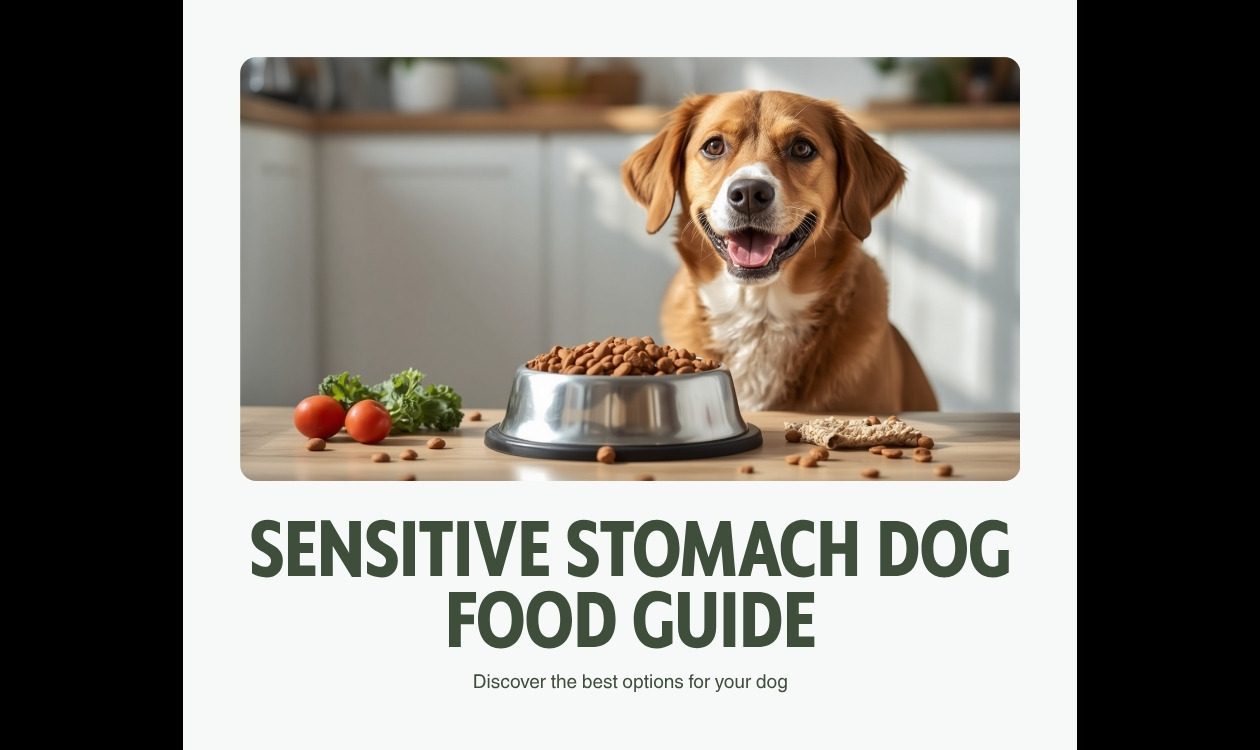
⚡ Quick Answer
The best dog food for a sensitive stomach uses a single novel protein (salmon, duck, venison, or turkey — not chicken or beef, which are the most common dietary triggers) with a limited, easily digestible carbohydrate source like sweet potato, white rice, or oatmeal. Transition to any new food over 7–10 days minimum: 25% new food for 3 days, 50% for 3 days, 75% for 3 days, then 100%. An abrupt food switch causes temporary digestive upset in even healthy dogs.
💡 Expert Tip
Before switching your dog’s main food, eliminate all treats, chews, table scraps, and flavoured supplements for 2 full weeks. In roughly 35–40% of cases, the daily treat — not the kibble — is the dietary trigger causing digestive issues. High-value chews like rawhide, bully sticks, and pig ears are particularly common triggers that owners rarely suspect because they are given infrequently.
Choosing the best dog food for sensitive stomach issues is one of the most impactful changes you can make for a dog that suffers from chronic vomiting, loose stools, or gas — the right food formula resolves symptoms in most cases within 3–6 weeks.
📋 Table of Contents
- What Is a Sensitive Stomach in Dogs? (Not a Food Allergy)
- 10 Signs Your Dog Has a Sensitive Stomach
- 6 Root Causes of Sensitive Stomachs in Dogs
- What to Look For on the Label — Ingredients That Help
- Ingredients to Avoid in Dog Food for Sensitive Stomachs
- Grain-Free vs Grain-Inclusive — The 2026 Verdict
- 5 Types of Dog Food for Sensitive Stomachs Explained
- Homemade Dog Food for Sensitive Stomachs
- How to Safely Transition Your Dog to a New Food
- Dog Breeds Most Prone to Sensitive Stomachs
- Frequently Asked Questions
- Final Thoughts
Every dog owner knows the feeling: you come downstairs in the morning to find evidence that your dog’s stomach did not agree with last night’s dinner. Or perhaps it happens regularly — soft stools, vomiting after meals, excessive gas, or a dog that consistently looks uncomfortable after eating. If this sounds familiar, your dog may have a sensitive stomach — and choosing the right food is the single most impactful thing you can do to help them.
The best dog food for a sensitive stomach is not necessarily the most expensive, the most marketed, or the one with the most impressive packaging claim. It is the one that contains the specific ingredients your dog’s digestive system can process efficiently, in the right form and proportion — with none of the irritants and allergens that trigger their symptoms. This complete guide breaks down exactly what that looks like in practice, from reading ingredient labels to understanding the five types of sensitive stomach food formulas available in 2026.
🐾 Quick Answer
The best dog food for a sensitive stomach features a single high-quality protein source (salmon, turkey, or lamb), easily digestible carbohydrates (brown rice, oatmeal, or sweet potato), added prebiotics and probiotics, and a limited ingredient list of 8–12 main components. Avoid foods with corn, wheat, soy, artificial preservatives, high-fat content, or multiple protein sources. Transition to any new food over 7–10 days — never abruptly.
What Is a Sensitive Stomach in Dogs? Not the Same as a Food Allergy
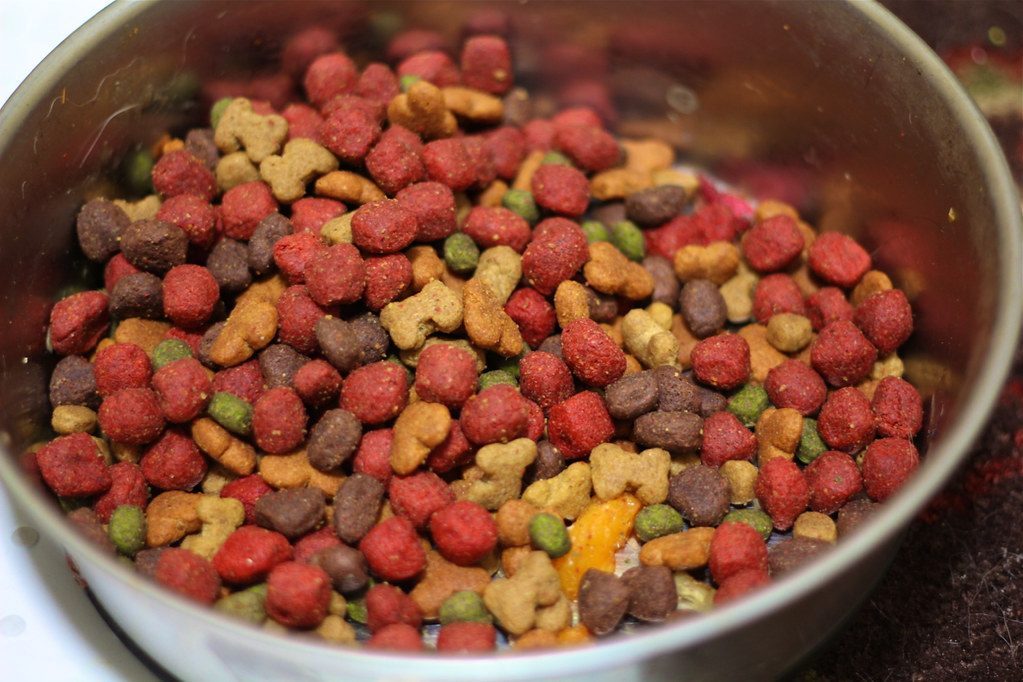
One of the most important distinctions in dog sensitive stomach management is understanding what condition you are actually dealing with — because the three most common digestive conditions in dogs require different approaches.
🟠 Sensitive Stomach (Most Common)
- Digestive system reacts to certain food qualities or ingredients without immune involvement
- Symptoms: loose stools, vomiting, gas, gurgling sounds
- NOT an immune response — no skin symptoms
- Responds well to diet change
- Management: right food choice resolves in 2–4 weeks
- Most dogs respond well without vet prescription food
🔴 True Food Allergy
- Immune system reaction to a specific protein — usually chicken, beef, or dairy
- Symptoms: itching, ear infections, skin redness — PLUS digestive symptoms
- Requires identification through elimination diet trial (8–12 weeks)
- Management: strict avoidance of the allergen protein for life
- Needs veterinary guidance for proper elimination trial
- Only 1–2% of dogs have true food allergies
🚨 IBD (Inflammatory Bowel Disease)
- Chronic inflammation of the GI tract requiring veterinary diagnosis
- Symptoms: chronic vomiting and diarrhea, weight loss, low energy
- Requires biopsy for definitive diagnosis
- Management: prescription food, often with medication
- Cannot be managed with commercial food alone
- Requires ongoing veterinary management
10 Signs Your Dog Has a Sensitive Stomach
When choosing the best dog food for sensitive stomach problems, the ingredient list is more important than brand marketing or price point.
Loose, Soft, or Watery Stools
The most consistent sign — consistently loose stools not caused by illness or parasites suggests the current food is not agreeing with their digestive system
Vomiting After Meals
Vomiting within 30–60 minutes of eating — particularly of undigested food — indicates the stomach is rejecting what it received
Excessive Gas and Flatulence
More than occasional gas after meals points to fermentation in the gut — often caused by hard-to-digest carbohydrates like corn, wheat, or soy
Gurgling or Loud Stomach Sounds
Audible borborygmi (stomach gurgling) after eating indicates excessive gas production and digestive fermentation
Reluctance to Eat or Meal Skipping
A dog that regularly refuses their food or eats only part of it may associate eating with discomfort — a learned avoidance response to post-meal symptoms
Frequent Grass Eating
As explored in our dog grass-eating guide, frequent purposeful grass-eating often indicates GI discomfort or fiber deficiency in the current diet
Post-Meal Lethargy or Discomfort
A dog that retreats, hunches, or seems low-energy specifically after meals is experiencing post-meal GI discomfort — a strong signal the current food is the issue
Excessive Drooling Before Vomiting
Hypersalivation immediately before vomiting is a nausea response — if this happens regularly after meals, the food is the most likely culprit
Weight Loss Despite Normal Eating
When a dog eats normally but loses weight, their digestive system is not absorbing nutrients efficiently — the food may not be digestible enough for their particular gut
Dull Coat and Low Energy
Poor nutrient absorption from an unsuitable food manifests as coat quality decline, skin dryness, and generalized low energy — the body is not getting what it needs from the food
⚠️ When to See a Vet First
- Vomiting blood or seeing blood in stools — seek immediate veterinary care
- Dramatic sudden onset of vomiting/diarrhea — could indicate poisoning, blockage, or acute illness
- Weight loss over 10% of body weight alongside digestive symptoms
- Symptoms that persist for more than 7 days despite a food change
- A dog under 1 year or over 10 years with persistent digestive issues — these age groups have higher risk profiles
6 Root Causes of Sensitive Stomachs in Dogs
- Low-quality protein sources: By-products, rendered meals, and unnamed protein sources (“meat meal” without specifying the animal) are harder to digest than named, whole-protein sources. The body works harder to process them, producing more digestive waste and fermentation.
- Excessive filler carbohydrates: Corn, wheat, soy, and pea protein — used to inflate protein content cheaply — are poorly digested by many dogs and ferment in the gut, producing gas, loose stools, and inflammation.
- High fat content: Fat is the most calorically dense macronutrient and requires the most digestive work. Foods with crude fat above 18–20% can overwhelm the digestive capacity of sensitive dogs, causing diarrhea and in severe cases pancreatitis.
- Artificial preservatives and additives: BHA, BHT, ethoxyquin, propylene glycol, and artificial colors can directly irritate the GI lining in sensitive dogs — causing chronic low-grade inflammation that manifests as persistent loose stools and gas.
- Abrupt food changes: Switching food brands or formulas without a gradual 7–10 day transition is one of the most common causes of acute digestive upset in otherwise healthy dogs. The gut microbiome needs time to adjust to new ingredients.
- Genetic and breed predisposition: Some breeds have inherently more sensitive digestive systems due to their genetic background and gut microbiome composition — German Shepherds, Great Danes, Irish Setters, and Border Collies appear most frequently in sensitive stomach prevalence data.
What to Look For on the Label — 7 Ingredients That Actually Help
Single Novel Protein (Salmon, Turkey, Lamb)
One clearly named protein source. Novel proteins (less commonly eaten) are less likely to trigger existing sensitivities. Salmon tops most vet lists for digestibility.
Brown Rice or Oatmeal
The gentlest digestible carbohydrates for dogs. Both provide fiber that supports gut health without the fermentation issues of corn, wheat, or pea protein.
Sweet Potato
An excellent grain-free carbohydrate alternative — high in soluble fiber, beta-carotene, and vitamins B6 and C. More digestible than peas or lentils for most sensitive dogs.
Prebiotics and Probiotics
Live beneficial bacteria (probiotics) and the fiber that feeds them (prebiotics — inulin, chicory root, FOS) directly support the gut microbiome that regulates digestion and immune response.
Omega-3 Fatty Acids (Fish Oil)
DHA and EPA from fish oil reduce intestinal inflammation and support the gut lining’s integrity — directly addressing the underlying cause of many sensitive stomach symptoms.
Digestive Enzymes
Protease, amylase, and lipase — enzymes that pre-digest protein, carbohydrates, and fats respectively. Dogs with sensitive stomachs often have reduced enzyme production; supplementation dramatically improves nutrient absorption.
Limited Ingredient List (8–12 max)
The fewer the ingredients, the fewer the potential triggers. A food with 8–12 clearly named, high-quality ingredients is far less likely to cause sensitivity reactions than a 30+ ingredient formula.
Ingredients to Avoid in Dog Food for Sensitive Stomachs
Corn, Wheat, and Soy
The three most common dog food fillers — poorly digested by many dogs, high in fermentable carbohydrates, common allergens. The first sign of a low-quality sensitive stomach formula is these as early ingredients.
Multiple Protein Sources
Foods listing chicken, beef, AND lamb together make it impossible to identify which protein triggers symptoms. Sensitive stomach dogs need a single, identifiable protein to test tolerance.
BHA, BHT, Ethoxyquin
Artificial preservatives directly linked to GI inflammation in sensitive dogs. Choose foods preserved with natural alternatives like mixed tocopherols (vitamin E) or rosemary extract.
High Fat Content (Above 20%)
Crude fat over 20% is too rich for most sensitive stomachs. This threshold is particularly important for dogs prone to pancreatitis — check the guaranteed analysis panel.
Meat By-Products and “Meal” (Unnamed)
“Meat by-product meal” without specifying the animal is the lowest quality protein form — inconsistent quality, harder to digest, and impossible to trace for allergy management.
Artificial Colors and Flavors
Dyes like Red 40, Yellow 5, and caramel color serve no nutritional purpose and have been associated with GI inflammation and behavioral changes in sensitive animals. Avoid entirely.
Pea Protein as Primary Protein
Common in grain-free foods as a protein supplement, pea protein is not highly digestible for many dogs and has been linked to increased gas and soft stools in sensitive individuals.
Dairy and Lactose Ingredients
Most adult dogs have reduced lactase production and are mildly lactose intolerant. Dairy ingredients (cheese, yogurt powder, whey) in dog food can cause consistent loose stools and gas.
Grain-Free vs Grain-Inclusive — The 2026 Verdict for Sensitive Stomachs
The grain-free dog food trend has been one of the most marketed pet nutrition positions of the past decade. But for dogs with sensitive stomachs, the evidence does not support grain-free as the automatic superior choice — and the 2019 FDA investigation linking grain-free diets to dilated cardiomyopathy (a serious heart condition) in dogs adds a real health consideration.
✅ Grain-Inclusive (Recommended for Most Sensitive Stomachs)
- Brown rice, oatmeal, and barley are highly digestible for most dogs
- Provide excellent dietary fiber for gut microbiome support
- Lower association with DCM risk vs grain-free formulas
- Most veterinary nutritionists recommend grain-inclusive first for sensitive stomachs
- Centuries of dog dietary history support grain tolerance in most breeds
- Only 5–10% of dogs have true grain sensitivity warranting grain-free
⚠️ Grain-Free (Only if Grain Sensitivity Confirmed)
- Appropriate when grain sensitivity is specifically identified
- Often replaces grains with peas and lentils — which cause GI issues in many dogs
- FDA under ongoing review for DCM association in dogs
- Should only be chosen after grain-inclusive options have been tried and failed
- If grain-free is needed, choose formulas using sweet potato or pumpkin — not pea protein
“For most dogs with sensitive stomachs, grain-inclusive diets with high-quality, easily digestible grains like brown rice or oatmeal are superior to grain-free alternatives. The grain-free trend was driven by consumer preference rather than nutritional science — most dogs digest quality grains well.”
— American College of Veterinary Nutrition (ACVN)
5 Types of Dog Food for Sensitive Stomachs Explained
Limited Ingredient Diets (LID) — Best Starting Point
Limited Ingredient Diets contain a single identified protein source, one or two easily digestible carbohydrates, and a minimal list of additional ingredients — typically 8–12 total. This simplicity serves two purposes: it reduces the number of potential digestive triggers, and it makes it possible to identify exactly which ingredient causes problems if symptoms persist. LID formulas are the most commonly recommended first step for dogs with sensitive stomachs because they are available over-the-counter, affordable, and resolve the majority of dietary sensitivity cases without requiring a veterinary prescription. Look for formulas where the first two ingredients are a named protein and an easily digestible carbohydrate.
Novel Protein Diets — For Suspected Protein Sensitivity
Novel protein diets use protein sources that a dog has rarely or never eaten — rabbit, venison, duck, kangaroo, alligator, bison. The reasoning is immunological: a dog’s immune and digestive systems cannot react to a protein they have not previously been exposed to. If your dog has been eating chicken- or beef-based food their entire life and is experiencing symptoms, switching to a protein source completely outside their dietary history often produces dramatic improvement within 2–3 weeks. Novel protein foods are typically more expensive than standard LID options but are significantly less costly than veterinary prescription diets.
Hydrolyzed Protein Diets — For Confirmed Food Allergies
Hydrolyzed protein foods use proteins that have been broken down into fragments so small the immune system cannot recognize them as allergens — eliminating even the most severe protein-triggered reactions. These are the gold standard for confirmed food allergy cases and are almost always available only through a veterinarian. They are not necessary for most dogs with sensitive stomachs (where the issue is digestive rather than immunological) but are life-changing for dogs with genuine protein allergies. If your dog has tried multiple LID and novel protein options without improvement, a veterinary consultation to explore hydrolyzed protein prescription food is the appropriate next step.
High-Fiber Sensitive Stomach Formulas
For dogs whose sensitive stomach primarily manifests as inconsistent stool quality — alternating constipation and loose stools — high-fiber formulas that include beet pulp, psyllium, chicory root, or pumpkin as specific fiber sources often provide the most targeted relief. Soluble fiber regulates water absorption in the colon (firming loose stools and softening hard ones), feeds beneficial gut bacteria, and reduces the transit time of food through the digestive system. These are particularly appropriate for senior dogs whose digestive efficiency naturally declines with age.
Probiotic-Enhanced Formulas
Dog food formulas that incorporate live probiotic bacteria — typically Lactobacillus acidophilus, Bifidobacterium lactis, and Enterococcus faecium — directly support the gut microbiome that regulates digestion, immune function, and the integrity of the intestinal lining. The best probiotic formulas coat each kibble piece with live bacteria or use sealed probiotic capsules to protect bacterial viability until consumption. Pair probiotic food with a prebiotic supplement (chicory root, inulin) for the most complete gut microbiome support.
Homemade Dog Food for Sensitive Stomachs — Full Control Over Every Ingredient
For dog owners who want complete transparency over every ingredient that enters their dog’s body — and who have identified that specific commercial food ingredients are problematic — homemade dog food provides the ultimate sensitive stomach solution. When properly balanced, home-cooked meals eliminate all processed ingredients, artificial additives, fillers, and hidden allergens entirely.
The core principles of homemade dog food for sensitive stomachs:
- Single protein source: Choose one protein your dog tolerates — boiled turkey, poached salmon, or steamed white fish are the gentlest starting points
- Bland, easily digestible carbohydrates: Plain boiled white rice, cooked oatmeal, or boiled sweet potato in the early adjustment period
- No seasonings of any kind: Salt, garlic, onion, and herbs are all intestinal irritants for sensitive dogs
- Essential supplementation: Calcium, fish oil, and a vet-approved canine multivitamin to ensure nutritional completeness
- Introduce slowly: Begin with the blander recipes and gradually introduce more variety as tolerance is confirmed
Vet-Approved Dog Food Cookbook — Sensitive Stomach Edition
50+ balanced recipes · Sensitive stomach meal plans · Elimination diet guide · Ingredient substitution charts · Instant PDF download · $9.99
How to Safely Transition Your Dog to a New Sensitive Stomach Food
This section is critical and frequently overlooked: the way you introduce the new food is as important as the food itself. Many dogs that experience vomiting or diarrhea after a food switch are reacting to the speed of the change, not the food. The gut microbiome needs 7–10 days to adjust to a new food profile.
✅ Pro Tip: During any food transition for a sensitive stomach dog, add a teaspoon of plain, unsweetened pumpkin puree to each meal. Pumpkin’s soluble fiber content helps regulate digestion during the adjustment period — firming loose stools and softening hard ones. It also provides gentle prebiotic fiber that supports the gut microbiome shift. If at any point during the transition loose stools become severe, slow down and spend more time at the previous ratio before advancing.
Dog Breeds Most Prone to Sensitive Stomachs
| Breed | Sensitivity Type | Recommended Food Approach |
|---|---|---|
| German Shepherd | Exocrine Pancreatic Insufficiency (EPI), IBD predisposition, general GI sensitivity | High digestibility, moderate fat, vet supervision for EPI |
| Great Dane | Bloat risk (GDV), fast-eating tendency, large stomach capacity | Large breed formula, slow feeder bowl, 2–3 small meals not one large one |
| Irish Setter | Gluten-sensitive enteropathy — one of few breeds with true grain sensitivity | Grain-free, gluten-free formula — this breed specifically may benefit |
| Yorkshire Terrier | Small stomach, fast metabolism, prone to hypoglycemia and GI upset | Small breed formula, 3 small meals daily, high digestibility |
| Boxer | IBD predisposition, general GI sensitivity, food intolerance common | LID formula, novel protein, avoid corn and wheat |
| Border Collie | Stress-related GI upset, sensitivity to diet changes | Consistent single formula, slow transitions, probiotic support |
| Miniature Schnauzer | Pancreatitis predisposition — very sensitive to dietary fat | Low-fat formula (under 15% crude fat), limited treats |
Frequently Asked Questions — Best Dog Food for Sensitive Stomach
Final Thoughts — Best Dog Food for Sensitive Stomach
Finding the best dog food for a sensitive stomach requires understanding what your dog’s digestive system actually needs — not what the most attractively packaged food promises. The fundamentals are consistent and clear: a single high-quality named protein, easily digestible grain-inclusive carbohydrates, prebiotic and probiotic support, minimal ingredients, and complete absence of the common irritants that trigger symptoms.
Finding the best dog food for sensitive stomach issues takes patience — but the right food makes a dramatic difference in your dog’s quality of life. Start with a Limited Ingredient Diet featuring salmon or turkey. Transition slowly over 7–10 days. Add plain pumpkin puree during the transition. Give the new food at least 4 full weeks before assessing results. If symptoms persist, consult your veterinarian to rule out IBD, EPI, or food allergy before moving to prescription options.
For dog owners who want to take full control of their sensitive dog’s diet through home cooking, our Vet-Approved Dog Food Cookbook provides 50+ nutritionally complete recipes including specific sensitive stomach meal plans, elimination diet protocols, and ingredient substitution guides — available for instant download worldwide. For premium dog care products including slow feeders and dog health guides, explore our complete dog products collection at Arbsbuy with free USA shipping.
Shop Premium Dog Products at Arbsbuy
Slow feeders · Puzzle toys · Dog health ebooks · Water bottles · Free USA shipping · 30-day guarantee · USA warehouse
Sources: American Kennel Club — Dog Nutrition Guide | ASPCA — Dog Care | PetMD — Dog Sensitive Stomach | American Veterinary Medical Association
📄 Sources & References
- AAFCO: Dog Food Ingredient Definitions — reading labels to identify common digestive irritants — https://www.aafco.org
- WSAVA Global Nutrition Committee: Selecting the right commercial diet for dogs with gastrointestinal sensitivity — https://www.wsava.org
- Journal of Veterinary Internal Medicine: Hydrolyzed protein and novel protein diets for food-sensitive dogs — clinical trial results — https://www.ncbi.nlm.nih.gov/pmc/articles/PMC6511308/
- AVMA: Canine Food Sensitivity — distinguishing food allergy from food intolerance in dogs — https://www.avma.org