
📊 Homemade Dog Food Nutrition: What the Research Shows
of online dog food recipes are nutritionally incomplete
Source: UC Davis School of Veterinary Medicine, 2013
of dog owners have tried homemade dog food at least once
Source: American Pet Products Association, 2023
reduction in arthritis symptoms with therapeutic omega-3 doses in dogs
Source: JAVMA study, 2010
US fresh pet food market value in 2023, growing 25% annually
Source: Grand View Research, 2024
🏭 Why This Guide Is Different
Most homemade dog food articles give you recipes without teaching the nutritional framework behind them. A recipe that works for a 50-lb adult Lab fails for a 10-lb senior Poodle. This guide teaches you the principles — so you can evaluate any recipe, build your own, and know exactly why each component matters.
Quick Answer: Homemade Dog Food Nutrition
A nutritionally complete homemade dog food diet must include six components in correct ratios: quality protein (40-50% of diet), healthy fat (20-30%), digestible carbohydrates (20-30%), calcium source (ground eggshell or bone meal), essential vitamins, and fresh water. The most common mistake is cooking protein-heavy meals without a calcium source — within months, this causes progressive bone weakening regardless of how fresh or high-quality the ingredients are. Use this guide to build balanced meals your dog can thrive on long-term.
The homemade dog food movement has grown steadily as pet owners become more aware of commercial food recalls, ingredient sourcing transparency issues, and the specific dietary needs that one-size-fits-all kibble cannot address. But homemade feeding done wrong is worse than commercial food — nutritional imbalances from well-intentioned but incomplete recipes are a leading cause of preventable health problems in dogs fed home-cooked diets.
This guide gives you the nutritional framework to cook for your dog correctly — understanding macronutrient ratios, essential micronutrients, safe and unsafe ingredients, life-stage adjustments, and how to verify your recipes actually meet your dog’s requirements before health problems signal a gap.
- The Six Pillars of Complete Homemade Dog Food
- Calorie Requirements by Dog Size and Life Stage
- Safe and Unsafe Ingredients — Complete Reference
- Transitioning from Kibble to Homemade Food
- Special Diets: Adjusting Recipes for Health Conditions
- How to Verify Your Homemade Recipes Are Complete
- Sample 7-Day Homemade Dog Food Meal Plan (30-lb Dog)
- Supplement Schedule: What to Add Daily, Weekly, and Monthly
- Cost Comparison: Homemade vs. Commercial Dog Food
- When to Consult a Veterinary Nutritionist
- Common Mistakes in Homemade Dog Food — and How to Fix Them
- Batch Cooking for Homemade Dog Food: The Practical System
- Feeding Homemade Food Safely: Food Handling Rules
- Transitioning a Senior Dog to Homemade Food
The Six Pillars of Complete Homemade Dog Food
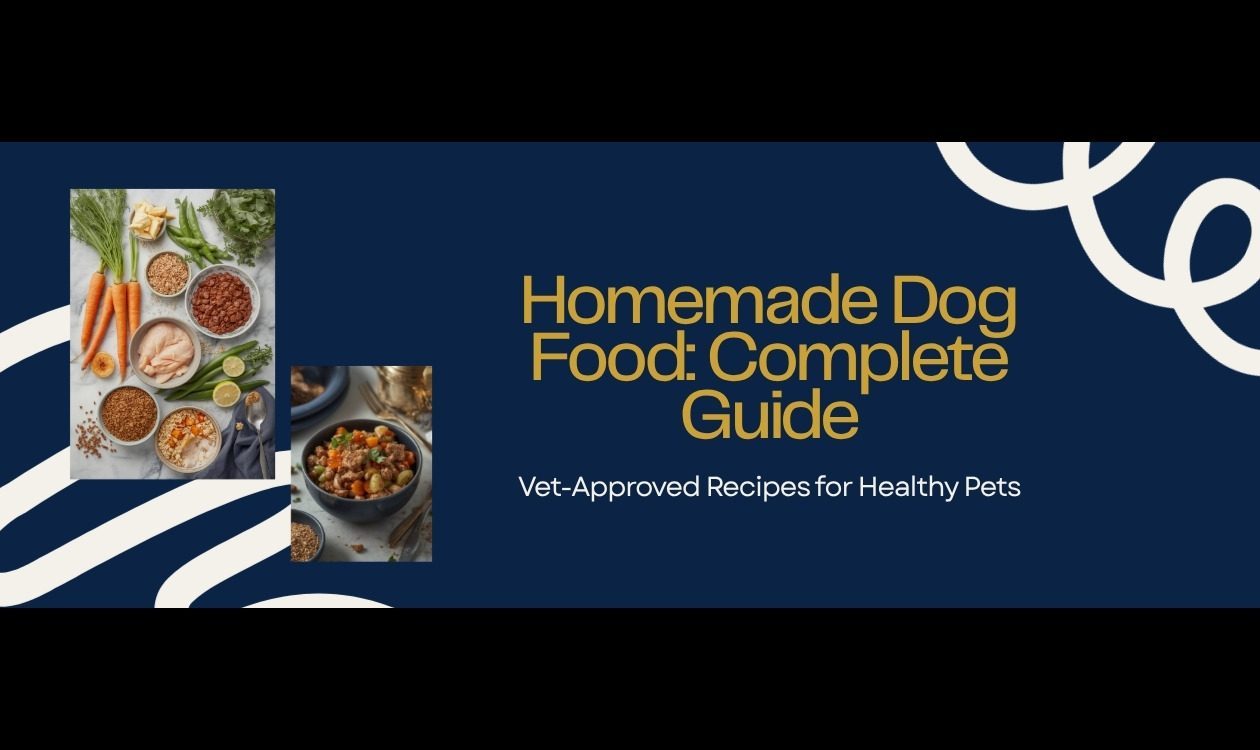
Every meal your dog eats needs to deliver all six of these components. Missing even one consistently leads to deficiency over weeks to months:
1. Quality Protein (40-50% of the diet)
Protein provides amino acids — the building blocks of muscle, organ tissue, skin, coat, and immune function. Dogs require 22 amino acids, 10 of which must come from food (essential amino acids). Complete protein sources that provide all 10 essential amino acids include:
- Chicken: Highly digestible, lean, universally well-tolerated. Breast for lower fat; thigh for higher palatability.
- Beef: Rich in zinc, iron, and B12. Ground beef (80/20) provides good fat balance for most adult dogs.
- Turkey: Excellent hypoallergenic option for dogs with chicken sensitivity. High tryptophan content supports serotonin production.
- Salmon and sardines: High EPA/DHA omega-3 content. Canned sardines in water (no salt) are the most practical source for regular feeding.
- Eggs: Nutritional gold standard — highest biological value of any food protein. One egg per 20 lbs of body weight, 3-4 times weekly.
- Organ meat: Liver (beef or chicken) should comprise 5-10% of the total diet. The most nutrient-dense food available — but more than 10% causes vitamin A toxicity over time.
2. Healthy Fat (20-30% of calories)
Fat provides essential fatty acids (omega-3 and omega-6), fat-soluble vitamin absorption (A, D, E, K), and concentrated energy. Dogs on low-fat homemade diets often develop dry, itchy skin and dull coats within 4-8 weeks. Key fat sources:
- Animal fat from meat (chicken skin in moderation, fatty cuts of beef)
- Fish oil — 1,000mg EPA/DHA per 30 lbs of body weight daily for optimal coat and joint health
- Coconut oil — 1 teaspoon per 30 lbs supports skin and has antimicrobial properties
3. Digestible Carbohydrates (20-30% of diet)
Dogs are not obligate carnivores — they have significantly more amylase (starch-digesting enzyme) than wolves and digest carbohydrates well. Carbohydrates provide fiber for gut health and glucose for brain function:
- Sweet potato — high beta-carotene, potassium, and fiber. Cook thoroughly; raw sweet potato is poorly digested.
- Brown rice — gentle on sensitive stomachs, excellent stool-forming fiber.
- Oats — soluble fiber, beta-glucan for immune support. Cook before serving.
- Pumpkin — exceptional digestive regulator. 1-4 tablespoons per meal for dogs with loose stools.
- Lentils — plant protein + fiber, but feed in moderation (associated with dilated cardiomyopathy risk at very high inclusion rates).
4. Calcium Source (Non-Negotiable)
This is the most frequently missed component and the most dangerous omission. A boneless meat and vegetable diet contains almost no calcium — and dogs need a calcium-to-phosphorus ratio of 1.2:1 to 1.4:1. Without adequate calcium, the body pulls calcium from bones to maintain blood calcium levels.
Practical calcium sources:
- Ground eggshell powder: Bake empty eggshells at 200°F for 10 minutes, then grind to powder. Use 1/2 teaspoon per pound of boneless meat in the meal.
- Raw meaty bones: If feeding raw, appropriate raw meaty bones (chicken neck, chicken back) supply calcium with natural phosphorus balance. Never cooked bones — cooked bones splinter.
- Calcium carbonate supplement: 1,250mg per pound of boneless meat. Available at any pharmacy.
5. Essential Vitamins and Minerals
A homemade diet that uses variety (rotating proteins, multiple vegetables, organ meat weekly) typically covers most micronutrients. The consistent gaps in home-cooked diets are:
- Vitamin D: Almost absent in most whole foods except fatty fish and egg yolk. Supplement with a dog-specific vitamin D3 if fish is not fed 2-3 times weekly.
- Zinc: Depleted by high-grain diets. Beef and oysters are the best whole food sources.
- Iodine: Absent from most meats and vegetables. Kelp powder (1/4 teaspoon per week for a 30-lb dog) or a small amount of plain seaweed provides adequate iodine.
- Vitamin E: Added as a supplement (100-400 IU per day depending on dog size) when feeding fish oil, as omega-3s increase oxidative stress if vitamin E is insufficient.
6. Fresh Water Always Available
This seems obvious but is critical to state: dogs on home-cooked food (especially high-moisture recipes) still need unrestricted access to fresh water. Meat-based diets are higher in protein, and protein metabolism produces nitrogen waste that must be flushed by the kidneys. Water access is especially important for senior dogs with reduced kidney function.
Calorie Requirements by Dog Size and Life Stage
| Dog Size | Weight | Daily Calories (Adult) | Daily Food Amount* |
|---|---|---|---|
| Toy | Under 10 lbs | 200-350 kcal | 100-150g |
| Small | 10-25 lbs | 350-700 kcal | 150-300g |
| Medium | 25-50 lbs | 700-1,200 kcal | 300-500g |
| Large | 50-90 lbs | 1,200-1,800 kcal | 500-750g |
| Giant | 90+ lbs | 1,800-2,800 kcal | 750-1,100g |
*Approximate fresh food weight at ~1.5 kcal/gram average for balanced home-cooked meals
Life stage adjustments: Puppies need 2x adult calories per pound of body weight. Pregnant/nursing females need 1.5-2x maintenance. Senior dogs typically need 20% fewer calories than adult maintenance unless underweight.
Safe and Unsafe Ingredients — Complete Reference
Always Safe
Chicken, beef, turkey, salmon, tuna (not daily), sardines, eggs, sweet potato, brown rice, oats, carrots, broccoli (small amounts), pumpkin, blueberries, watermelon (seedless), peas, green beans, spinach (small amounts), cucumber, apple (no seeds/core).
Never Feed These
- Onions and garlic — cause hemolytic anemia. All forms are toxic: raw, cooked, powder, in sauces.
- Grapes and raisins — cause acute kidney failure. No safe threshold established; even small amounts can be fatal.
- Macadamia nuts — neurological toxin causing weakness, tremors, hyperthermia.
- Xylitol — found in sugar-free products, gum, some peanut butters. Causes rapid insulin release and liver failure.
- Chocolate — theobromine toxicity; dark chocolate and baking chocolate most dangerous.
- Cooked bones — splinter into shards that perforate the digestive tract.
- Avocado — persin toxicity; all parts including skin, pit, and flesh.
- Alcohol — even small amounts cause severe hypoglycemia and neurological damage.
- Nutmeg — myristicin causes seizures and hallucinations.
Transitioning from Kibble to Homemade Food
A sudden diet switch causes digestive upset in almost all dogs. The gut microbiome needs 3-4 weeks to adapt to a significantly different dietary composition. Follow this transition schedule:
- Days 1-3: 75% kibble, 25% homemade
- Days 4-7: 50% kibble, 50% homemade
- Days 8-11: 25% kibble, 75% homemade
- Day 12+: 100% homemade
If loose stools appear at any stage, hold that ratio for 3-4 extra days before advancing. Adding 1-2 tablespoons of plain pumpkin puree per meal helps firm stools during the transition. Probiotic supplementation (dog-specific strains) during transition weeks significantly reduces digestive disruption.
Special Diets: Adjusting Recipes for Health Conditions
Dogs with Kidney Disease
Contrary to older guidance, current veterinary consensus supports adequate (not restricted) high-quality protein for early kidney disease, with phosphorus restriction being the priority. Avoid organ meats (high phosphorus) and high-phosphorus vegetables like broccoli. Egg whites provide protein with minimal phosphorus load.
Dogs with Pancreatitis
Strict fat restriction is essential — keep fat below 10% of total calories during flares and maintain below 15% long-term. Lean protein only: chicken breast, turkey breast, white fish. Avoid salmon, egg yolks, and fatty meats. High-fiber additions (plain pumpkin, green beans) slow digestion beneficially.
Dogs with Food Allergies
Novel protein elimination diets are the gold standard for diagnosing and managing food allergies. Use a protein source the dog has never eaten — rabbit, venison, duck, or kangaroo — alongside a novel carbohydrate (quinoa, potato). Feed exclusively for 8-12 weeks before reintroducing previous proteins one at a time to identify the trigger.
How to Verify Your Homemade Recipes Are Complete
The most reliable verification method is entering your recipe into a nutritional analysis tool such as the USDA FoodData Central database or a pet-specific nutrition calculator. Key targets to verify:
- Calcium: 50-100mg per kg of body weight per day
- Protein: minimum 18% of dry matter for adults, 22% for puppies
- Fat: minimum 5% of dry matter, recommended 10-15%
- Vitamin D: 13-50 IU per kg of body weight per day
Annual bloodwork through your veterinarian is the best real-world check that the diet is working — albumin levels, red blood cell health, kidney markers, and calcium levels all reflect dietary adequacy over time.
📚 Want 200+ Complete Vet-Approved Recipes?
Our Homemade Dog Food Cookbook covers every life stage, health condition, and breed size — with full nutritional breakdowns, batch cooking guides, and supplement schedules.
Trusted Sources
Sample 7-Day Homemade Dog Food Meal Plan (30-lb Dog)
A sample weekly rotation demonstrates how variety across the week delivers nutritional completeness without needing to balance every single meal individually. Target per meal: approximately 300-350g of food delivering 500-600 calories.
| Day | Protein | Carbohydrate | Vegetable | Additions |
|---|---|---|---|---|
| Monday | Ground beef (lean) | Brown rice | Carrots + green beans | Eggshell calcium, fish oil |
| Tuesday | Chicken thigh (boneless) | Sweet potato | Spinach + zucchini | Eggshell calcium, kelp flake |
| Wednesday | Salmon (cooked) | Oatmeal | Broccoli + peas | Eggshell calcium, vitamin E |
| Thursday | Turkey breast | Brown rice | Cucumber + carrot | Eggshell calcium, fish oil |
| Friday | Beef liver (10% of meal) | Sweet potato | Green beans + pumpkin | Eggshell calcium, kelp |
| Saturday | Eggs (2) + chicken | Oatmeal | Blueberries + spinach | Eggshell calcium, fish oil |
| Sunday | Sardines (canned in water) | Brown rice | Carrots + pumpkin | Eggshell calcium, vitamin E |
Batch cook the week’s grains and proteins on Sunday. Refrigerate cooked food up to 4 days; freeze the remaining 3 days’ portions. This approach reduces total weekly cooking time to 60-90 minutes and keeps ingredients fresher than daily cooking small batches.
Supplement Schedule: What to Add Daily, Weekly, and Monthly
Even a well-varied homemade diet benefits from targeted supplementation to cover consistent nutritional gaps. The following schedule applies to most adult dogs on a balanced homemade diet — adjust based on your veterinarian’s bloodwork recommendations:
| Supplement | Daily | Weekly | Notes |
|---|---|---|---|
| Calcium (eggshell or CaCO3) | Yes | — | Every boneless meal; 1/2 tsp eggshell per lb of meat |
| Fish oil (EPA/DHA) | Yes | — | 20-55mg EPA/DHA per kg body weight |
| Vitamin E | Yes (if feeding fish oil) | — | 100 IU per 30 lbs; prevents omega-3 oxidative stress |
| Kelp/iodine | — | 2-3x | 1/4 tsp kelp powder per 30 lbs; iodine source |
| Beef liver | — | Yes | 5-10% of weekly diet; most nutrient-dense food |
| Probiotic (dog-specific) | Yes (if using) | — | Fortiflora or Proviable; optional but beneficial |
| Zinc supplement | — | — | Only if bloodwork shows deficiency; cover via beef/oysters first |
Never supplement fat-soluble vitamins (A, D, E, K) without bloodwork guidance — these accumulate in the body and cause toxicity at excess levels. Vitamin D3 is the most commonly deficient fat-soluble vitamin in home-cooked diets; your vet can test serum 25-hydroxyvitamin D levels.
Cost Comparison: Homemade vs. Commercial Dog Food
A common concern about homemade dog food is cost. The actual comparison depends heavily on the commercial food being compared against:
| Food Type | Cost per Day (30-lb dog) | Notes |
|---|---|---|
| Budget dry kibble | $0.80 – $1.50 | Lower ingredient quality; frequent recalls historically |
| Premium dry kibble | $2.50 – $4.00 | Better ingredients; still processed at high heat |
| Premium canned food | $4.00 – $7.00 | High moisture; better palatability; expensive |
| Fresh-delivered commercial (e.g., The Farmer’s Dog) | $6.00 – $12.00 | Convenience premium; similar nutrition to home-cooked |
| Homemade (budget proteins) | $2.00 – $3.50 | Chicken, egg, beef at retail; includes supplement cost |
| Homemade (premium proteins) | $4.00 – $6.00 | Salmon, quality organ meats, farmers market sourcing |
Batch cooking dramatically reduces per-meal cost: buying 5-10 lbs of chicken thighs at once costs significantly less per pound than daily single-meal purchases. Joining a co-op or buying from local farmers can reduce protein costs by 30-50% for owners who commit to homemade feeding long-term.
When to Consult a Veterinary Nutritionist
A board-certified veterinary nutritionist (DACVN) provides custom-formulated recipes based on your dog’s specific bloodwork, life stage, and health conditions. This is the gold standard for homemade feeding and is particularly important for:
- Dogs with diagnosed health conditions (kidney disease, pancreatitis, allergies, diabetes)
- Puppies (nutritional errors during growth have permanent developmental consequences)
- Pregnant or nursing females
- Dogs who will eat homemade exclusively for their lifetime (as opposed to as a complement to commercial food)
- Owners who want mathematical verification that their recipes meet AAFCO or NRC standards
Veterinary nutritionist consultation typically costs $200-$400 for a complete recipe formulation — less than 2 months of premium commercial food for most dogs, and a one-time cost that protects years of correct feeding. The ACVN (American College of Veterinary Nutrition) maintains a public database of board-certified veterinary nutritionists at dacvn.org.
Common Mistakes in Homemade Dog Food — and How to Fix Them
- Mistake 1: No calcium source. Every boneless meat-based diet without calcium supplementation causes progressive bone demineralization. Fix: add eggshell powder or calcium carbonate to every meal.
- Mistake 2: Too much liver. Liver is the most nutrient-dense food but causes vitamin A toxicity above 10% of the total diet. Fix: feed liver once per week as 5-10% of that week’s total meat.
- Mistake 3: Overcooked vegetables. Many heat-sensitive vitamins (C, B-complex, folate) are partially destroyed by high-heat cooking. Fix: steam or lightly cook vegetables; serve some raw (carrots, cucumber) for maximum nutrient retention.
- Mistake 4: No variety in protein. Rotating proteins provides amino acid complementarity and prevents sensitivity development. Fix: rotate through at least 3-4 different protein sources across the week.
- Mistake 5: Using “dog recipes” from non-veterinary sources. Most online dog food recipes are not nutritionally balanced. Fix: use recipes formulated or verified by a board-certified veterinary nutritionist.
- Mistake 6: Skipping veterinary monitoring. Without annual bloodwork, nutritional deficiencies develop silently for months before clinical signs appear. Fix: schedule annual bloodwork that includes a complete metabolic panel and check organ health markers.
Batch Cooking for Homemade Dog Food: The Practical System
The number one reason dog owners abandon homemade feeding is the time commitment of daily cooking. Batch cooking eliminates this barrier by treating your dog’s food the same way meal preppers treat human food — cook once, eat throughout the week. Here is the full system that makes homemade feeding sustainable long-term:
The Sunday Batch Cook Protocol
- Protein: Cook 2-3 lbs of the week’s main protein in bulk. Bake chicken thighs at 375°F for 35-40 minutes (internal temp 165°F). Brown ground beef in batches in a large skillet. Poach salmon at low simmer for 10-12 minutes. Once cooled, weigh into per-meal portions.
- Carbohydrate: Cook 3-4 cups dry brown rice or sweet potatoes in one pot. Cool completely before portioning.
- Vegetables: Steam or lightly sauté the week’s vegetables. Cool completely. Store separately from protein and grains.
- Assembly: Combine protein, carb, and vegetable in each portion container. Add calcium supplement and fish oil at this stage. Label with day and content.
- Storage: Days 1-4 in refrigerator (food-safe containers). Days 5-7 in freezer (move to fridge 24 hours before serving).
Total Sunday session time: 60-90 minutes. Daily serving time: 2 minutes (open container, add to bowl). This is often faster than measuring and serving premium kibble once you account for the bag storage, measuring, and cleanup.
Equipment That Makes Batch Cooking Faster
- Instant Pot or pressure cooker: Reduces chicken cooking from 40 minutes to 15 minutes. Ground beef can be done in 8 minutes. Rice in 4 minutes. The single most time-saving piece of kitchen equipment for batch cooking dog food.
- Kitchen scale: Portion accuracy is critical for calorie management. A basic digital kitchen scale ($15-25) eliminates guesswork and ensures consistent portions.
- Silicone freezer molds: Freeze individual portions in molds, then transfer to freezer bags. Makes thawing individual portions simple without breaking apart a frozen block.
- Stainless steel meal prep containers (12-pack): One per day for 7 days, plus extras for variety. Dishwasher-safe, airtight, and stackable in the refrigerator.
Feeding Homemade Food Safely: Food Handling Rules
Raw or cooked homemade dog food carries the same bacterial risks as human food. Proper food handling prevents contamination that would harm your dog and the humans in the household (cross-contamination of dog food preparation surfaces):
- Use separate cutting boards for dog food preparation — or prepare on surfaces that will be sanitized immediately after with hot soapy water and a food-safe sanitizer
- Never leave cooked dog food at room temperature for more than 2 hours — bacteria double approximately every 20 minutes in the temperature danger zone (40-140°F)
- Refrigerated cooked dog food is safe for 3-4 days maximum; frozen is safe for 2-3 months
- Thaw frozen portions in the refrigerator overnight — never on the counter or in hot water
- Wash hands with soap and warm water for 20 seconds after handling raw meat ingredients
- Pets with immunocompromised status, the elderly, children under 5, pregnant women, and cancer patients in the household have increased risk from pet food-associated pathogens — consult your physician if any household member falls into these categories
Transitioning a Senior Dog to Homemade Food
Senior dogs (over 7 years for large breeds, over 10 for small breeds) can transition to homemade food safely and often benefit significantly from the higher moisture content and fresh ingredient quality. Key considerations specific to senior dogs:
- Transition more slowly: Use a 4-week transition instead of 2-week — senior digestive systems adapt more gradually. Consider adding a dog-specific probiotic during the transition period to support gut flora adjustment.
- Protein quality, not restriction: Senior dogs metabolize protein less efficiently and may need slightly higher protein levels than adult maintenance to prevent muscle loss. Unless your veterinarian has specifically recommended protein restriction based on bloodwork showing kidney function decline, do not reduce protein for senior dogs on homemade diets.
- Joint support additions: Many senior dogs benefit from adding glucosamine (500mg per 25 lbs) and chondroitin to homemade food — ingredients that are absent from most commercial senior formulas despite being labeled for joint health. Fish oil at therapeutic dose is the most evidence-supported joint supplement for senior dogs.
- Regular body weight monitoring: Weight loss in senior dogs on any diet — including homemade — can indicate inadequate caloric intake, dental pain preventing adequate eating, or underlying illness. Weigh monthly and adjust portions accordingly.
📄 Sources & References
- UC Davis School of Veterinary Medicine (2013): Evaluation of recipes for home-prepared diets — 95% nutritionally incomplete — https://www.vetmed.ucdavis.edu
- American Pet Products Association (2023): National Pet Owners Survey — Homemade pet food trends — https://www.americanpetproducts.org
- JAVMA (2010): Omega-3 fatty acids and inflammatory joint disease in dogs — https://www.avma.org/javma
- AAFCO: Official Dog and Cat Food Nutrient Profiles — https://www.aafco.org
- WSAVA Global Nutrition Committee: Nutritional Assessment Guidelines for Practitioners — https://www.wsava.org