
⚡ Quick Answer
A cat not eating for more than 24 hours always requires a veterinary appointment — not wait-and-see. Cats are the only domestic species vulnerable to hepatic lipidosis (fatty liver disease), which can develop within 2–3 days of not eating, especially in overweight cats, and rapidly becomes life-threatening. The most common reversible causes of appetite loss in cats are dental pain (most common cause in adults), a respiratory infection affecting smell, stress from any environmental change, a medication side effect, and nausea from a systemic illness.
💡 Expert Tip
Never force-feed a cat or syringe-feed without explicit veterinary instruction. Forced feeding causes extreme stress and almost always creates a lasting food aversion — the cat associates the food with the distressing experience of being restrained and force-fed. Instead, try: warming the food slightly to body temperature (which intensifies the aroma), offering a completely different food texture (switching from chunks to pâté), offering food from your fingertip in a quiet space, or placing a small amount directly near the cat’s nose to trigger the feeding instinct.
📋 Table of Contents
- The Critical 24-Hour Rule — Why Cat Anorexia Is Unique
- Hepatic Lipidosis — The Hidden Danger of Cats Not Eating
- 12 Real Reasons Your Cat Is Not Eating
- 10 Safe Home Tricks to Encourage Eating
- Foods to Try When Your Cat Refuses Normal Food
- Is Your Cat Eating Enough? Signs to Check Daily
- When to Go to the Vet — Do Not Wait for These Signs
- Frequently Asked Questions
- Final Thoughts
Your cat walks past their bowl without even sniffing it. Or they approach, look at the food, then walk away. Or they have eaten barely a quarter of their usual portion for two days running. If your cat is not eating, your concern is completely justified — and unlike dogs, who can safely skip meals without immediate medical consequences, a cat that is not eating can develop a serious, life-threatening liver condition within as little as 48 hours.
The reasons a cat stops eating span a wide spectrum — from simple food preference changes and stress reactions through to dental disease, kidney failure, and cancer. This guide covers all 12 real causes of feline appetite loss, explains the specific medical risks of cats not eating that most guides overlook, and gives you a practical, step-by-step guide to what to try at home and exactly when veterinary care cannot wait.
🐱 Quick Answer
If your cat has not eaten for more than 24 hours, contact your veterinarian — do not wait. Cats develop hepatic lipidosis (fatty liver disease) faster than any other common pet — within 48–72 hours without food in overweight cats. At home, try warming wet food, offering strong-smelling options like tuna or sardines in water, changing the bowl, and eliminating stressors. But always back these home measures with a vet call if the cat does not eat within 24 hours.
The Critical 24-Hour Rule — Why Cat Anorexia Is Medically Different
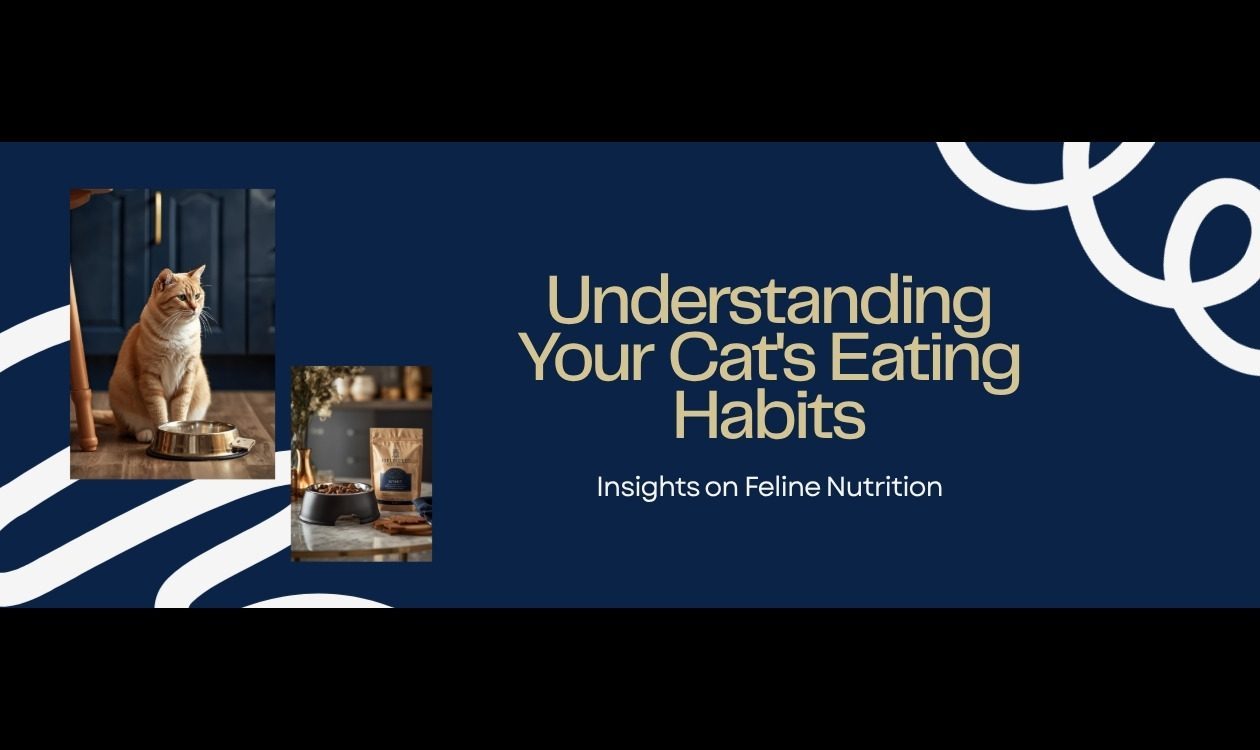
The most important thing to understand about a cat not eating is that the medical timeline for cats is dramatically shorter than for dogs or humans. A healthy adult dog can fast for 3–5 days with careful monitoring. A healthy adult human can safely fast much longer. A cat — particularly an overweight cat — can begin developing hepatic lipidosis within as little as 48 hours without adequate food intake.
⏰ The Cat Not Eating — Danger Timeline
Hepatic Lipidosis — The Hidden Danger of Cats Not Eating
🚨 Hepatic Lipidosis (Fatty Liver Disease) — A Cat-Specific Emergency
Hepatic lipidosis is the most common liver disease in cats — and it is caused directly by not eating. When a cat stops eating, their body mobilizes fat stores for energy. Unlike most animals, a cat’s liver cannot efficiently process large amounts of fat — the liver cells become overwhelmed with fat deposits, lose function, and begin to fail. This creates a catastrophic cycle: a failing liver causes nausea that further suppresses appetite, which causes more fat mobilization, which causes further liver damage.
Overweight cats are at the highest risk — they have more fat stores to mobilize, and the process begins faster. But even healthy-weight cats can develop hepatic lipidosis if they go without food for extended periods. According to the Cornell Feline Health Center, hepatic lipidosis has a mortality rate of approximately 10% even with aggressive veterinary treatment — including hospitalization, intravenous fluids, and tube feeding. Early intervention is the only reliable way to prevent it.
12 Real Reasons Your Cat Is Not Eating
🟠 Behavioral and Environmental Causes (Reasons 1–4)
Food Preference or Formula Change
Cats have notoriously strong food preferences — and manufacturers frequently change formulas, processing methods, or ingredient sourcing without changing product labels. A cat that ate a food happily for months may suddenly refuse it because something about the product has changed. New flavors introduced too abruptly — without the 7–10 day gradual transition — also commonly cause temporary appetite loss. If your cat’s food has recently changed in any way, this is the most likely cause of refusal for an otherwise healthy cat.
✅ Try New Food — Gradual Transition Over 7-10 DaysStress and Environmental Change
Cats are profoundly sensitive to change in their environment — more so than almost any other domestic animal. Moving home, a new pet or person in the household, rearranged furniture, a change in your work schedule, nearby construction noise, or even a new air freshener scent can trigger significant stress-driven appetite suppression. Stress activates the sympathetic nervous system, which directly inhibits the digestive system and hunger signals. A cat not eating following any environmental change should have the change identified and, where possible, reversed or managed.
⚠️ Identify Stressor — Reduce if Possible — Monitor 24 HoursBowl Location, Type, or Cleanliness
The details of food presentation matter enormously to cats. A food bowl placed near the litter box violates their instinctive avoidance of eating near elimination areas. A narrow, deep bowl that touches their whiskers as they eat causes “whisker fatigue” — genuine discomfort that leads cats to eat less or eat away from the bowl edge. A bowl that was washed with a strongly scented detergent may smell wrong to the cat’s sensitive nose. A bowl that is even slightly dirty or stale-smelling may be rejected entirely.
✅ Try Wide Flat Bowl — Move Location — Wash ThoroughlyLearned Food Aversion
A cat that vomited after eating a specific food — even once — may permanently refuse to eat it again. Cats have an extremely efficient food aversion learning system that evolved to protect them from repeating experiences that made them ill. If your cat was given a medication, supplement, or treat alongside their food and subsequently vomited, they may have associated the food rather than the medication with the illness — creating a learned aversion to previously acceptable food. Introducing the same food in a completely different bowl at a different location sometimes overcomes learned aversion.
⚠️ Switch Food Type — New Bowl — Different Location🔴 Medical Causes (Reasons 5–12) — Always Warrant Veterinary Evaluation
Dental Disease and Oral Pain
This is the single most common medical cause of appetite loss in cats — affecting over 90% of cats over 4 years of age to some degree. Periodontal disease, tooth resorption (feline odontoclastic resorptive lesions, or FORLs), abscesses, broken teeth, and oral ulcers all cause pain when the cat attempts to eat. A cat experiencing oral pain will often approach their food bowl, sniff the food, then walk away — they want to eat but cannot do so without pain. Watch for pawing at the face, drooling, dropping food, preferring soft food, or chewing only on one side.
🚨 Dental Examination Required — Do Not DelayUpper Respiratory Infection
A cat with a stuffy nose cannot smell their food — and scent is the primary appetite trigger for cats. A cat that cannot smell the food has dramatically reduced motivation to eat it, regardless of hunger. Upper respiratory infections in cats are common, contagious, and often accompanied by sneezing, nasal discharge, watery eyes, and mild fever. Warming wet food to slightly above room temperature releases more aromatic volatile compounds, helping a congested cat smell and locate their food more effectively.
🚨 Veterinary Treatment Needed — Warm Food Helps TemporarilyKidney Disease
Chronic kidney disease (CKD) is one of the most common conditions in cats over 7 years old. As kidney function declines, toxins that the kidneys would normally filter build up in the bloodstream — causing a persistent state of nausea, reduced appetite, and lethargy. A cat with CKD typically also shows increased thirst and urination, weight loss despite some eating, dull coat, and vomiting. CKD is not curable but is highly manageable with appropriate diet, fluid therapy, and medication — early diagnosis significantly improves prognosis and quality of life.
🚨 Bloodwork Required — Urgent Vet EvaluationPancreatitis
Inflammation of the pancreas produces intense abdominal pain and profound nausea — both of which completely suppress appetite. Feline pancreatitis is notoriously difficult to diagnose because the symptoms are vague (lethargy, appetite loss, mild vomiting) and the standard blood markers used in dogs are less reliable in cats. A cat with pancreatitis may appear to be simply depressed or unwell without obvious specific symptoms. If your cat has not eaten for 24+ hours alongside lethargy and any vomiting, pancreatitis is an important differential diagnosis that requires specific blood testing (feline pancreatic lipase, or fPL) to confirm or rule out.
🚨 Specific Blood Testing Required — Urgent Vet VisitHyperthyroidism
While hyperthyroidism typically increases appetite in cats (the accelerated metabolism drives hunger), the late stages of the condition or cats treated incompletely can show paradoxical appetite loss alongside other symptoms including weight loss, increased thirst, and vocalization changes. As covered in our article on excessive cat meowing, hyperthyroidism affects a significant proportion of cats over 10 years old and requires bloodwork to diagnose definitively.
🚨 Thyroid Panel Bloodwork RequiredGastrointestinal Obstruction or Foreign Body
Cats — particularly kittens — may ingest string, hair ties, tinsel, rubber bands, or small toys that partially or completely obstruct the digestive tract. An obstruction causes a dramatic, sudden loss of appetite alongside vomiting, straining, and abdominal pain. This is a surgical emergency. If your cat stops eating suddenly, is attempting to vomit without producing anything, seems in abdominal pain when touched, and has had potential access to foreign objects — seek emergency veterinary care immediately.
🚨 Emergency — May Require Immediate SurgeryDiabetes Mellitus
Feline diabetes — affecting roughly 1 in 200 cats — causes significant metabolic disruption that affects appetite. Diabetic cats may eat voraciously initially, then develop complications including diabetic ketoacidosis (DKA) that rapidly suppress appetite. A cat not eating alongside excessive thirst, frequent urination, and weight loss should be assessed for diabetes as a matter of urgency — DKA is a life-threatening emergency requiring immediate veterinary intervention.
🚨 Blood Glucose Testing Required — Urgent Vet VisitCancer
Appetite loss is one of the most consistent early indicators of cancer in cats. Cancer drives systemic inflammation, metabolic changes, and often local pain — all of which suppress appetite. Lymphoma (the most common cancer in cats), gastrointestinal tumors, and oral tumors all commonly present with appetite loss as a primary or early symptom. A cat losing weight alongside reduced appetite — particularly a senior cat — warrants full physical examination, bloodwork, and imaging to rule out malignancy.
🚨 Full Veterinary Workup Required10 Safe Home Tricks to Encourage Your Cat to Eat
While veterinary evaluation is essential for any cat not eating beyond 24 hours, these home strategies can be helpful for mild, short-duration appetite loss — or as supportive measures while you arrange a vet appointment.
Warm the Food Slightly
Heating wet food to body temperature (98–100°F — warm but not hot) releases aromatic volatile compounds that dramatically increase appeal to a cat’s nose-driven appetite. Microwave for 5–10 seconds and stir, then test with your wrist before serving.
Add Low-Sodium Broth
A small drizzle of plain, low-sodium chicken or fish broth over food adds aroma and moisture that entices reluctant eaters. Ensure the broth contains absolutely no onion, garlic, or seasonings — these are toxic to cats.
Offer Strong-Smelling Food
A small amount of tuna packed in water (not oil), sardines in water, or strongly aromatic cat food like mackerel may break appetite loss when regular food is being refused. Use sparingly — high mercury content makes tuna inappropriate as a regular food.
Switch Bowl Type and Location
Try a wide, flat plate or saucer instead of a bowl — this eliminates whisker fatigue. Move the feeding station to a completely different location. Some cats eat from their owners’ hands or a different room when stressed.
Create a Calm, Private Feeding Environment
Eliminate competition (other pets nearby), noise (TV, vacuum cleaner), and household activity near the feeding area. Some cats will not eat if they feel vulnerable or observed. A quiet, private corner often restores eating in stressed cats.
Thoroughly Clean the Bowl
Wash the bowl with unscented dish soap and rinse completely. Residual scent from previous meals or cleaning products can deter sensitive cats. Try a completely new bowl — stainless steel or ceramic rather than plastic, which retains odors.
Hand-Feed Small Amounts
Offering tiny amounts of wet food from your fingers can initiate eating in a cat that is reluctant but not ill. The scent of your hand alongside the food, combined with the intimacy of hand-feeding, can overcome mild stress-related appetite suppression.
Offer Appetite Stimulants (Vet-Approved)
Mirtazapine — available as a transdermal gel applied to the ear tip (Mirataz) or as a pill — is the most commonly used veterinary appetite stimulant for cats. Cyproheptadine is another option. Both require veterinary prescription — never use human medications as appetite stimulants for cats.
Light Play Before Mealtime
Brief play stimulates natural hunting drive — and the completion of the hunt-eat sequence often triggers appetite. A 5-minute wand toy session immediately before offering food can significantly increase eating motivation in behaviorally healthy cats that are refusing food due to stress or boredom.
Ensure Fresh Water Is Available Constantly
Dehydration reduces appetite in cats. Ensure fresh, moving water is always available. Many cats drink significantly more from an automatic water fountain than a still bowl — increased hydration supports appetite and digestion. See our cat hydration guide for solutions if your cat avoids their water bowl.
Foods to Try When Your Cat Refuses Normal Food
When a cat is not eating their regular food, these cat-safe alternatives can help bridge the gap until normal eating resumes or veterinary care is received. All options below should be plain, unseasoned, and free from onion, garlic, and artificial sweeteners.
Poached White Fish
Gentle, highly digestible, strongly aromatic. Cod, haddock, or tilapia — plain boiled, no seasonings. Often accepted by cats refusing other foods.
Plain Boiled Chicken
No skin, no bones, no salt or seasoning. Shred finely. The most universally accepted bland food for cats that have temporarily lost appetite.
Premium Kitten Food
Higher in protein, fat, and calories — more strongly aromatic than adult food. The richer formulation is more enticing to sick or appetite-suppressed cats.
Recovery/Convalescent Food
Veterinary prescription recovery diets (Hills A/D, Royal Canin Recovery) are extremely calorie-dense and palatability-enhanced. Ask your vet for a prescription.
Tuna in Spring Water
Plain canned tuna in spring water (not oil, not brine). Small amount as an enticement — not as a meal. High mercury content prevents regular use.
Different Texture Same Brand
If refusing pâté, try chunks in gravy. If refusing chunks, try pâté. Sometimes texture is the issue rather than flavor — try multiple textures before assuming the brand is the problem.
Automatic Cat Water Fountain — Keep Your Cat Hydrated
Moving water cats instinctively prefer · Increases daily water intake · Supports appetite and kidney health · Free USA shipping · 30-day guarantee
Is Your Cat Eating Enough? Signs to Check Daily
✅ Signs Your Cat Is Eating Adequately
- Stable or healthy body weight — ribs feel but are not prominently visible
- Using the litter box at their normal frequency
- Normal energy levels and social behavior
- Coat condition is maintained — not dull or rough
- Clear eyes with no discharge
- Consistent interest in food at mealtime
- Drinks water normally from their bowl or fountain
⚠️ Warning Signs to Act On Immediately
- Weight loss visible or palpable over 1–2 weeks
- Reduced litter box use — less urination than normal
- Lethargy — sleeping significantly more than usual
- Hiding behavior that is new or increased
- Vomiting alongside reduced eating
- Yellow tinge to skin, gums, or whites of eyes (jaundice)
- Drooling or lip-licking without food present
When to Go to the Vet — Do Not Wait for These Signs
The 24-hour rule is the baseline — but these specific combinations of symptoms require same-day or emergency veterinary care regardless of how long the cat has not been eating:
Yellow Skin, Gums, or Eye Whites
Jaundice indicates liver involvement — possible hepatic lipidosis already in progress. Emergency vet visit required immediately.
Not Eating AND Not Drinking
Combined food and water refusal dramatically accelerates dehydration and organ stress — emergency care within hours, not days.
Collapse or Extreme Weakness
A cat that cannot stand, walk normally, or hold its head up is in serious physiological distress — emergency care immediately.
Labored Breathing
Any breathing difficulty alongside appetite loss indicates potentially serious cardiovascular or pulmonary involvement — emergency care.
Any Cat Not Eating 24+ Hours
The universal rule: any cat that has not eaten for a full 24 hours requires veterinary contact — even if showing no other symptoms. Do not wait.
Senior Cat Not Eating
Cats over 10 years are at significantly higher risk of the serious medical causes listed above. The 24-hour rule becomes a 12-hour rule for senior cats.
Kitten Not Eating
Kittens have extremely limited reserves — a kitten under 6 months not eating for 8–12 hours warrants immediate veterinary contact.
Overweight Cat Not Eating 48+ Hours
Obese cats are at the highest risk for hepatic lipidosis — the 24-hour rule becomes critical at 48 hours if missed earlier.
Frequently Asked Questions — Cat Not Eating
Final Thoughts — Cat Not Eating
A cat not eating is never something to dismiss or wait out — cats are physiologically unable to safely fast the way dogs and humans can, and the risk of hepatic lipidosis makes any significant appetite loss a medical concern that requires action within 24 hours. At the same time, the causes of appetite loss in cats are enormously varied — from something as simple as a dirty food bowl or a food formula change, to serious systemic illness requiring veterinary treatment.
The approach is straightforward: try the home remedies outlined above immediately. If your cat has not eaten within 24 hours despite your best efforts, call your veterinarian. Do not wait for additional symptoms to develop before seeking professional input — the 24-hour rule exists because of the hepatic lipidosis risk, not because symptoms always appear that quickly.
For a comprehensive expert guide to cat health, behavior, and care — including detailed guidance on feline nutrition, recognizing illness early, and building the richest possible life for your indoor cat — our Cat Psychology & Care Bible ebook is available for instant download worldwide at $9.99. For premium cat products including automatic water fountains that improve hydration and appetite, interactive toys, and calming accessories, browse our complete cat products collection at Arbsbuy with free USA shipping and our 30-day guarantee.
Cat Psychology & Care Bible — Complete Cat Health Guide
150+ pages · Health & nutrition chapter · Illness recognition guide · Behavior decoded · PDF worldwide · $9.99
Sources: PetMD — Cat Not Eating Guide | Cornell Feline Health Center | ASPCA — Cat Care | VCA Animal Hospitals — Hepatic Lipidosis in Cats
📄 Sources & References
- Cornell Feline Health Center: Anorexia in Cats — hepatic lipidosis risk after 24-48 hours of food refusal in cats — https://www.vet.cornell.edu
- AAFP: Feline Anorexia Guidelines — when to seek emergency veterinary care for a cat not eating — https://www.catvets.com/guidelines
- Journal of Feline Medicine and Surgery: Hepatic lipidosis in cats — prevalence, triggers and survival rates with early intervention — https://journals.sagepub.com/home/jfm
- AVMA: Nutritional support for sick cats — assisted feeding, appetite stimulants and recovery diets — https://www.avma.org