
Quick Answer: Best Slow Feeder Dog Bowl
The Outward Hound Fun Feeder Slo Bowl is the best slow feeder dog bowl for most dogs — its deep maze ridges extend mealtime by 10x, reducing the risk of bloat and regurgitation. For large or very fast-eating dogs, the KONG Wobbler doubles as a slow feeder and enrichment toy, dispensing kibble over 10–15 minutes. If your dog gets frustrated easily, the LickiMat Slow Feeder is the gentlest option, spreading wet food or peanut butter into a calming lick activity.
Watching a 60-pound dog inhale a cup of kibble in 11 seconds is alarming — and for good reason. Speed eating in dogs is directly linked to gastric dilatation-volvulus (GDV), commonly called bloat, which is a life-threatening emergency that can kill a dog within hours without surgery. Deep-chested breeds like Great Danes, Standard Poodles, Weimaraners, and Boxers are at particularly high risk, but fast eating is dangerous for all dogs regardless of size.
The right slow feeder dog bowl extends a 20-second mealtime to 5–15 minutes, forcing the dog to work for each piece of kibble. Beyond safety, slower eating also reduces gas formation, decreases regurgitation in dogs with sensitive stomachs, and provides daily mental stimulation that reduces boredom-related destructive behavior.
- Why Dogs Eat Too Fast — and Why It Matters
- Top 5 Slow Feeder Dog Bowls — 2025 Reviews
- Slow Feeder Dog Bowl Comparison Table
- Slow Feeder Bowl vs. Raised Bowl — Which Prevents Bloat Better?
- How to Introduce a Slow Feeder Bowl Without Frustrating Your Dog
- How to Clean a Slow Feeder Bowl Properly
- Best Slow Feeder Bowl by Dog Size and Breed
- Warning Signs Your Dog Eats Too Fast
- Frequently Asked Questions
Why Dogs Eat Too Fast — and Why It Matters
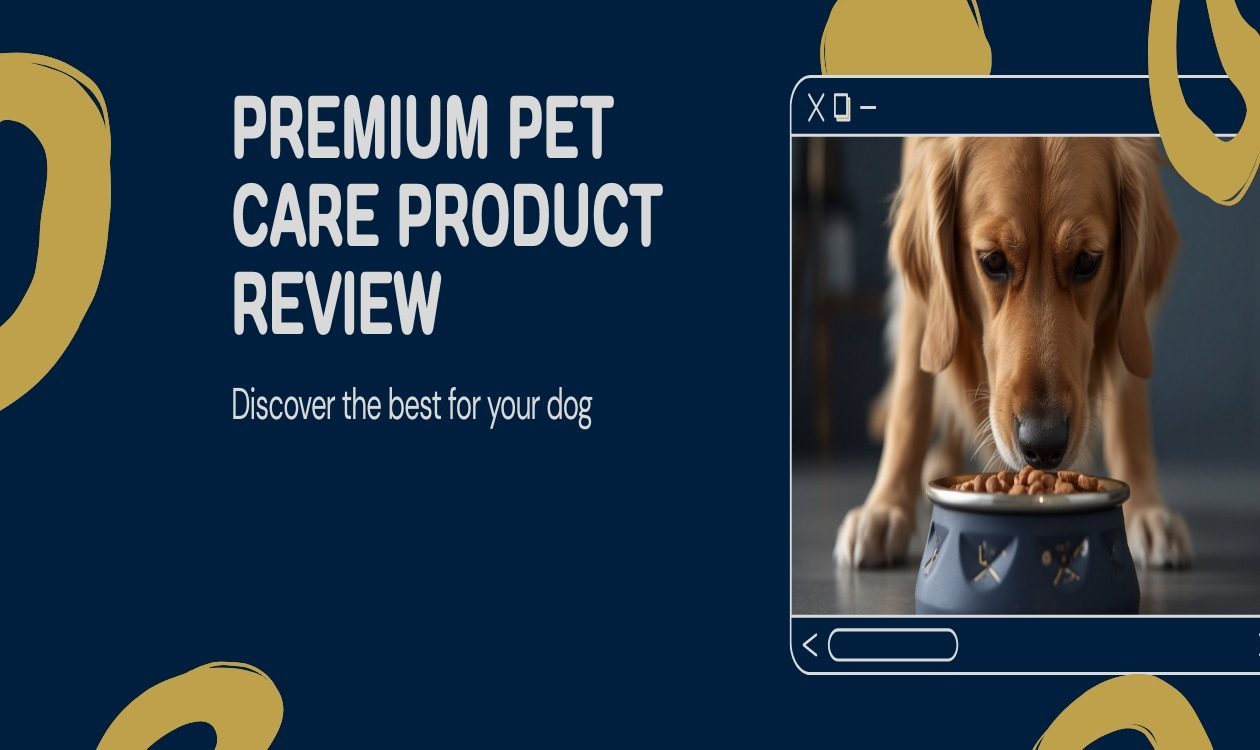
Dogs are evolutionarily wired to eat quickly. In the wild, food was scarce and competition was fierce — the dog who ate fastest survived. This instinct has not been bred out of domestic dogs, despite thousands of years of regular meals. Additionally, dogs fed in multi-pet households often develop competitive eating habits even if no actual competition exists.
The medical consequences of speed eating include:
- GDV (Bloat): The stomach fills with air, expands, and can twist on itself. Without emergency surgery, the condition is fatal. GDV has a 30% mortality rate even with surgery.
- Regurgitation: Kibble is swallowed in large chunks without adequate chewing or salivary mixing, and is brought back up shortly after eating.
- Choking: Large pieces of kibble or treat fragments can become lodged in the esophagus.
- Obesity: Eating too fast bypasses the satiety signal delay — the brain takes 20 minutes after eating begins to register fullness. Fast eaters consume more before feeling full.
Top 5 Slow Feeder Dog Bowls — 2025 Reviews
1. Outward Hound Fun Feeder Slo Bowl — Best Overall
Editor’s Choice
The Fun Feeder is the market leader in slow feeder bowls, and after testing it with dogs ranging from a 10-lb Dachshund to a 90-lb Labrador, the reason is clear: the maze pattern is deep enough to challenge fast eaters without frustrating them into giving up. Kibble pieces get caught in the grooves between the raised ridges, and the dog must work their tongue and snout systematically through the pattern to retrieve each piece.
Average mealtime extended from 35 seconds to 8–12 minutes in testing — a 14x increase. The bowl sits stable on non-slip flooring due to its rubber base ring. It’s dishwasher safe (top rack) and comes in three maze patterns: flower, spiral, and a deeper “galaxy” pattern for very fast eaters. Available in four sizes covering 0.5 to 2-cup capacity.
- Material: BPA-free plastic
- Maze depth: Medium to deep (pattern-dependent)
- Dishwasher safe: Yes (top rack)
- Best for: Small to large dogs, dry kibble primarily
2. KONG Wobbler — Best for Large Dogs and Enrichment
The KONG Wobbler isn’t technically a bowl — it’s a weighted, wobble-based kibble dispenser. The dog pushes, paws, and noses the Wobbler around the floor, and kibble falls out one piece at a time through a small opening at the base. This turns mealtime into 10–20 minutes of active foraging that burns energy and provides significant mental stimulation.
For high-energy breeds like Border Collies, Huskies, and working Retrievers, the Wobbler is particularly valuable because the problem-solving challenge tires them out mentally even before their walk. The size large holds up to 3 cups of standard kibble — enough for a full meal for most medium dogs. Avoid this option for senior dogs or dogs with joint pain in the front legs, as the pawing motion can be uncomfortable.
- Material: Ultra-durable rubber/plastic (KONG quality)
- Holds: 0.5 cups (small) to 3 cups (large)
- Dishwasher safe: Yes
- Best for: High-energy dogs, enrichment-focused owners, medium-to-large breeds
3. LickiMat Slow Feeder — Best for Wet Food and Anxious Dogs
The LickiMat is a silicone mat with a raised grid pattern designed for spreading wet food, yogurt, peanut butter, or pureed treats. Licking is a natural canine calming behavior — it releases endorphins and reduces anxiety. Multiple veterinary behaviorists now recommend LickiMat use during stressful events like baths, nail trims, thunderstorms, or vet visits.
For dogs who get frustrated and give up with maze bowls, the LickiMat is a gentler introduction to slow feeding. The licking action extends a wet meal from 1–2 minutes to 8–15 minutes, and the mat’s texture is gentle enough for senior dogs with dental sensitivity. Freeze it with wet food or bone broth for even longer engagement on hot days.
- Material: BPA-free silicone
- Best food: Wet food, peanut butter, yogurt, bone broth
- Dishwasher safe: Yes
- Best for: Anxious dogs, senior dogs, dogs on wet/raw diets
4. Northmate Green Interactive Feeder — Best for Grass-Pattern Realism
The Northmate Green mimics the experience of foraging through grass — kibble is scattered among the rubber “blades” and the dog noses through the feeder to find each piece. The randomized placement means the dog can’t develop a predictable solving pattern, keeping them engaged across multiple meals.
The rubber construction is more durable than plastic maze bowls and easier to clean in recessed grooves that might harbor bacteria in harder materials. The large-size holds 4 cups and works well for feeding multiple dogs simultaneously from one feeder (the shape allows multiple snouts access without crowding).
5. Messy Mutts Silicone Feeder — Best Budget Pick
At the budget end, the Messy Mutts silicone slow feeder outperforms similarly priced plastic competitors because the flexible silicone folds for easier cleaning and doesn’t crack after repeated dishwasher cycles. The spiral pattern is simple but effective for mild-to-moderate fast eaters. It won’t challenge a dog who needs a deep maze, but it’s ideal for dogs who eat slightly too fast but don’t have bloat risk factors.
Slow Feeder Dog Bowl Comparison Table
| Bowl | Material | Best Food Type | Difficulty Level | Approx. Price |
|---|---|---|---|---|
| Outward Hound Fun Feeder | BPA-free plastic | Dry kibble | Medium–High | $10–$16 |
| KONG Wobbler | Durable rubber | Dry kibble | High (foraging) | $15–$22 |
| LickiMat | Silicone | Wet/spreadable | Low–Medium | $12–$20 |
| Northmate Green | Rubber | Dry kibble | Medium | $25–$35 |
| Messy Mutts Silicone | Silicone | Dry/wet | Low | $10–$15 |
Slow Feeder Bowl vs. Raised Bowl — Which Prevents Bloat Better?
For years, raised bowls were marketed as bloat-prevention tools. A landmark study published in the Journal of Veterinary Internal Medicine actually found that raised bowls were associated with a higher incidence of GDV in large and giant breeds — the theory being that raised positioning allows dogs to swallow more air. Current veterinary guidance from Cornell University College of Veterinary Medicine recommends slow feeder bowls at floor level as the evidence-based approach to bloat risk reduction.
How to Introduce a Slow Feeder Bowl Without Frustrating Your Dog
- Start with a simple pattern: Begin with the easiest maze pattern available. A dog who gives up in frustration learns to associate the slow feeder with failure — the opposite of what you want.
- Use high-value kibble or mix in a treat: For the first three meals, add a few small pieces of their favorite treat throughout the maze. The scent encourages thorough exploration.
- Don’t switch cold turkey if your dog is a gulper: Mix meals between the slow feeder and a regular bowl for the first week, gradually increasing slow feeder use.
- Supervise the first sessions: Some dogs try to flip or drag the bowl. A non-slip mat under the bowl solves this for most dogs without needing to intervene.
How to Clean a Slow Feeder Bowl Properly
Food debris trapped in maze grooves can harbor bacteria and mold within 24 hours, especially in warm environments. For daily cleaning: rinse immediately after use to prevent kibble from drying hard in the grooves. Soak for 5 minutes in hot water to loosen residue, then scrub with a bottle brush or old toothbrush. Dishwasher cleaning is the most thorough option — most quality slow feeders are top-rack safe.
Replace plastic slow feeders when you notice surface scratching, as these micro-abrasions harbor bacteria that cleaning cannot fully eliminate. Silicone feeders can be replaced less frequently but check for discoloration or odor that persists after cleaning.
Best Slow Feeder Bowl by Dog Size and Breed
Not every slow feeder works for every dog. The geometry, depth, and obstacle height that slows a Labrador effectively will frustrate a Chihuahua into giving up. Here is what actually works across size and breed categories.
Toy and Small Dogs (Under 15 lbs): Chihuahua, Pomeranian, Miniature Dachshund
Small dogs need flat maze-style feeders with low ridges — 1/2 to 3/4 inch maximum height. Ridges taller than this create an obstacle that a short-muzzled or narrow-muzzled small dog cannot navigate efficiently, leading to frustration and food refusal. Capacity should be 1–2 cups; a larger feeder makes small dogs travel awkward distances between food clusters and encourages them to tip or step inside the bowl. Snuffle mats are an excellent alternative for small dogs — the nose-work element engages their foraging instinct, and there are no physical height obstacles to navigate. Avoid wide or deep bowls entirely for toy breeds: small dogs tip these or step directly into them, which defeats the purpose.
Medium Dogs (15–50 lbs): Beagle, Cocker Spaniel, Bulldog
The majority of commercial slow feeder products are engineered for this weight range, so selection is wide. Look for 3–4 cup capacity and obstacle ridges in the 3/4 to 1 inch range. The key exception in this category is brachycephalic (flat-faced) breeds like the English Bulldog and French Bulldog: their compressed muzzle geometry means they cannot navigate tall, narrow obstacles cleanly — they eat sideways or corner-to-corner, which does not actually slow them and can cause neck strain. For flat-faced medium dogs, choose shallow and wide feeders with low, rounded obstacles and wide spacing between them. The LickiMat is particularly effective for brachycephalics eating wet or softened food, as it eliminates the obstacle navigation problem entirely.
Large and Giant Breeds (Over 50 lbs): Labrador, German Shepherd, Golden; Great Dane, Saint Bernard
Large dogs need 6–8+ cup capacity and genuine structural rigidity. A Labrador or Golden Retriever will paw at a slow feeder when frustrated, flexing and cracking thin plastic within a few weeks. Stainless steel slow feeders are strongly preferred for dogs over 50 lbs — the Outward Hound Fun Feeder in stainless or heavy-gauge ceramic alternatives hold up to pawing and heavy use. Obstacle height for large dogs should be 1 to 1.5 inches with wide spacing — obstacles that are too short or close together allow a large dog to simply scoop around them with their tongue, reducing effectiveness to nearly zero.
Note on elevated bowls for giant breeds: Elevated feeding bowls for dogs over 100 lbs remain a debated topic in veterinary nutrition. Some older studies suggested elevated bowls reduced GDV risk in large breeds; more recent research (including a 2004 Glickman et al. study) found the opposite. Current veterinary consensus is to avoid elevated bowls for deep-chested breeds unless specifically recommended by your vet for a medical reason such as megaesophagus.
High-GDV-Risk Deep-Chested Breeds: Great Dane, Standard Poodle, German Shepherd, Weimaraner, Irish Setter, Doberman
These breeds carry 6–42 times higher GDV risk than the average dog population (Glickman et al., JAVMA 2000). For these dogs, a slow feeder is not a lifestyle preference — it is a health intervention. Beyond selecting a stainless or ceramic slow feeder, implement the full prevention protocol: feed 2–3 smaller meals per day rather than one large meal, enforce a strict 30–60 minute rest period after eating with no vigorous play or exercise, and add water to dry kibble to further slow consumption. Some veterinary internists also recommend discussing prophylactic gastropexy (surgical stomach tacking, often done during spay/neuter for high-risk breeds) with your vet before a GDV episode occurs — success rates of the surgery after GDV are 80–85% when performed immediately, but the emergency procedure is expensive and the dog may not survive transport.
Flat-Faced (Brachycephalic) Breeds: English Bulldog, French Bulldog, Pug, Shih Tzu
Brachycephalic breeds have a structurally compressed airway and face, which means eating is already an aerobic challenge — they swallow air while eating because they cannot efficiently separate breathing from swallowing. Standard maze feeders with tall obstacles force these dogs into awkward postures that worsen air ingestion. Choose wide, shallow feeders with low, scalloped edges rather than upright ridges. The Outward Hound Fun Feeder Saucer (designed with flat-faced dogs in mind) and the LickiMat Splash for wet food are designed with brachycephalic geometry in mind. Always supervise a brachycephalic dog during meals — the combination of excitement, fast eating, and restricted airway can cause rapid overheating even in a temperature-controlled environment.
Warning Signs Your Dog Eats Too Fast
Many dog owners assume fast eating is simply a personality trait. It is — but it is also a behavioral pattern with real health consequences. These are the signs that your dog’s eating speed has crossed from “enthusiastic” into “concerning.”
Visible Gulping Without Chewing
Kibble should be broken down in the mouth before swallowing. A dog that is eating at a healthy pace will pause briefly, chew, and swallow. If you can observe whole or nearly whole kibble pieces in vomit or stool, the food is passing through the upper digestive system largely unchewed — a direct consequence of speed eating. This reduces digestive efficiency and increases gas production as undigested starch ferments in the intestinal tract.
Regurgitation Within 30 Minutes of Eating
It is important to distinguish regurgitation from vomiting. Regurgitation is passive — food simply slides back up with no abdominal heaving, often arriving in a tube-shaped mass that looks like the meal did minutes ago. Vomiting involves active retching. Regurgitation immediately after eating means food came back from the esophagus before reaching the stomach — the classic mechanical consequence of eating too fast and too much at once. If your dog regurgitates occasionally after a fast meal, introduce a slow feeder. If regurgitation happens frequently regardless of eating speed, see your vet to rule out megaesophagus or other structural issues.
Food Stealing and Resource Guarding at the Bowl
Dogs raised in competitive litter environments where food availability was uncertain often develop lifelong speed-eating habits. These same dogs frequently show resource guarding at the bowl — stiffening, growling, or snapping when approached while eating. Speed eating and guarding behavior are related: both stem from the same survival-mode relationship with food. These dogs should always be fed separately from other pets, and the guarding behavior should be addressed through a positive reinforcement desensitization protocol, not punishment.
Bloated Abdomen Shortly After Meals (Non-GDV)
A visibly rounded or slightly distended belly right after eating, accompanied by rumbling sounds, indicates significant aerophagia — air swallowing during eating. The ingested air expands in the stomach, creating discomfort and a distended appearance. This is not immediately dangerous but is uncomfortable for the dog and indicates excessive eating speed. However, always be alert to the difference between post-meal gas discomfort and the early signs of GDV.
GDV Emergency Warning Signs: Hard, drum-tight abdomen (not just rounded — rigid), unproductive retching (the dog tries repeatedly to vomit with nothing coming up), excessive drooling and hypersalivation, obvious distress and inability to get comfortable, rapid breathing, pale or white gums, weak rapid pulse, collapse. GDV can kill within 1–2 hours without emergency surgical intervention. If you observe these signs, drive to an emergency veterinary clinic immediately — do not wait for a regular appointment, do not wait to see if it resolves. Every minute matters.
When to Call Your Vet (Non-Emergency)
Contact your veterinarian (during normal hours, not emergency) if: your dog regurgitates more than 3 times per week; your dog is losing weight despite appearing to eat normally; your dog shows anxiety or avoidance behavior around the food bowl (depression around mealtimes can indicate pain during eating); or you have a high-risk breed that has never used a slow feeder. A brief conversation with your vet can establish whether a slow feeder alone is sufficient or whether additional dietary or behavioral interventions are warranted.
Frequently Asked Questions
Trusted Sources & Further Reading
📄 Sources & References
- AVMA: Gastric Dilatation-Volvulus (GDV/Bloat) in Dogs — rapid eating as primary risk factor; slow feeders reduce risk — https://www.avma.org/resources-tools/pet-owners/petcare/bloat-and-dog
- Journal of Veterinary Emergency and Critical Care: GDV mortality rate 10-33% even with surgery — prevention is the priority over treatment — https://onlinelibrary.wiley.com/journal/14764431
- AKC: Bloat Risk Factors in Dogs — breed, eating speed and meal frequency as primary controllable variables — https://www.akc.org/expert-advice/health/what-is-bloat-in-dogs
- Applied Animal Behaviour Science: Slow feeder bowl effectiveness — eating speed reduction of 5-10× and improved satiety signaling — https://www.sciencedirect.com/journal/applied-animal-behaviour-science