
Buying Guides & Reviews
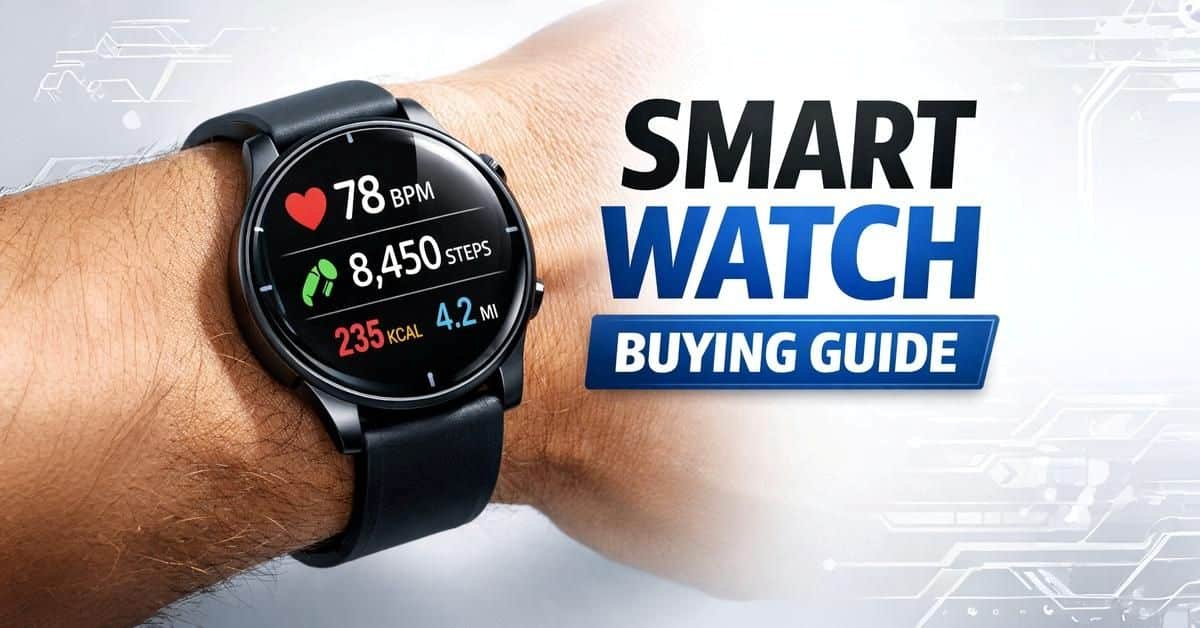
Smart Watch: The Complete Expert Guide to Features, Types, and Smart Buying Decisions
Dec
Introduction:
The smart watch has evolved from a luxury gadget into an essential everyday companion. Today, millions of Americans rely on wearable smartwatch not only to check time but to monitor health, track fitness, manage notifications, navigate routes, and even make payments. According to global wearable market data, smart watch adoption continues to grow year over year, driven by health awareness, remote lifestyles, and mobile-first behavior.
However, choosing the right wearable smartwatch is no longer simple. Buyers face hundreds of models, price ranges, operating systems, and specialized features. From affordable smart watches designed for beginners to advanced GPS smartwatch models for athletes, the market is crowded and confusing.
This expert guide breaks everything down clearly. You will learn:
- How wearable smartwatch actually work
- Which features matter most
- The differences between cheap, rugged, GPS, and Wear OS devices
- How to choose a wearable smartwatch that fits your lifestyle and budget
This is not a generic overview. It is a practical, buyer-focused resource designed to help you make a confident decision.
What Is a Smart Watch and How Does It Work?
A wearable smartwatch is a wearable computer worn on the wrist that connects to your smartphone or operates independently through built-in sensors and software. Unlike traditional watches, it provides real-time data, notifications, and interactive functionality.
Core Functions of a Wearable Smartwatch
Most modern wearable smartwatches include:
- Touchscreen display
- Bluetooth or LTE connectivity
- Health and fitness sensors
- App ecosystem
- Rechargeable battery
The watch syncs with your smartphone to mirror calls, messages, emails, and app alerts. Advanced models can function independently using Wi-Fi or cellular connections.
Key Features to Look for in a Wearable Smartwatch
Not all wearable smartwatches are created equal. Understanding core features helps avoid overspending or buying the wrong device.
Health and Fitness Tracking
Health tracking is one of the strongest selling points of a wearable smartwatch.
Common features include:
- Heart rate monitoring
- Step counting
- Sleep tracking
- Blood oxygen (SpO2)
- Stress and activity reminders
These features are particularly valuable for users focused on daily wellness rather than hardcore fitness.
Display and Build Quality
A wearable smartwatch should be readable, durable, and comfortable.
Important considerations:
- AMOLED vs LCD displays
- Scratch-resistant glass
- Aluminum or stainless-steel casing
- Water resistance ratings
Affordable Smart Watches: Best Value for Everyday Users
Affordable smart watches are designed for users who want essential features without premium pricing. These watches typically focus on fitness tracking, notifications, and basic apps.
Who Should Choose Affordable Smart Watches?
They are ideal for:
- First-time buyers
- Students
- Casual fitness users
- Budget-conscious shoppers
What You Get at a Lower Price
Despite lower cost, many affordable smart watches still offer:
- Heart rate monitoring
- Multiple sports modes
- Long battery life
- Smartphone notifications
However, they may lack advanced sensors, premium materials, or large app ecosystems.
Cheap Smart Watches: What to Expect and What to Avoid
The term cheap smart watches often attracts buyers searching for deals, but low price does not always mean good value.
Advantages of Cheap Smart Watches
- Extremely low upfront cost
- Basic functionality for light use
- Suitable as secondary or backup devices
Common Limitations
- Lower accuracy in sensors
- Shorter lifespan
- Limited software updates
- Basic or outdated interfaces
Expert advice: choose cheap smart watches only if your expectations are realistic and the brand has a proven track record.
GPS Smartwatch: Essential for Fitness and Navigation
A GPS smartwatch includes built-in satellite tracking, making it ideal for outdoor activities.
Why GPS Matters
GPS allows accurate tracking of:
- Running routes
- Cycling distance
- Hiking trails
- Speed and pace
This data is invaluable for athletes and outdoor enthusiasts who rely on precise metrics.
Ideal Users for GPS Smartwatch
- Runners and cyclists
- Hikers and travelers
- Fitness professionals
- Adventure enthusiasts
GPS smart watches typically consume more battery, but they deliver unmatched performance accuracy.
Rugged Smartwatch: Built for Extreme Conditions
A rugged smartwatch is engineered for durability rather than style.
Key Characteristics
- Shock-resistant construction
- Military-grade durability certifications
- Water and dust resistance
- Long battery life
Who Needs a Rugged Smartwatch?
- Construction workers
- Outdoor professionals
- Military or security personnel
- Extreme sports enthusiasts
While rugged smart watches may look bulky, they excel in environments where standard wearable smartwatches fail.
Wear OS Smartwatch: Power and App Flexibility
A Wear OS smartwatch runs on Google’s wearable operating system, offering deep integration with Android devices.
Benefits of Wear OS Smartwatch
- Access to Google apps
- Voice assistance
- Strong third-party app support
- Regular software updates
Best Use Cases
- Android phone users
- Professionals who rely on productivity apps
- Users who want customization and smart features
Wear OS smart watches generally provide a richer smart experience, though battery life may vary depending on usage.
Comparison Table: Smart Watch Types at a Glance
| Smart Watch Type | Best For | Key Strength | Trade-Off |
|---|---|---|---|
| Affordable smart watches | Daily use | Value | Fewer advanced features |
| Cheap smart watches | Entry-level | Price | Accuracy & durability |
| GPS smartwatch | Fitness | Precision tracking | Battery usage |
| Rugged smartwatch | Outdoor work | Durability | Bulkier design |
| Wear OS smartwatch | Productivity | App ecosystem | Battery management |
How to Choose the Right Smart Watch (Step-by-Step)
Step 1: Define Your Primary Use
Ask yourself:
- Fitness tracking?
- Daily notifications?
- Outdoor navigation?
- Professional productivity?
Step 2: Set a Realistic Budget
Balance price with expected lifespan and features.
Step 3: Check Compatibility
Ensure the smart watch works seamlessly with your smartphone.
Step 4: Evaluate Battery Life
Some users prioritize daily charging, others need multi-day battery performance.
Smart Watch Buying Mistakes to Avoid
- Overpaying for unused features
- Ignoring compatibility
- Choosing style over comfort
- Buying unknown brands with no updates
Avoiding these mistakes saves money and frustration.
FAQs
1. What is the best wrist-based wearable for everyday use?
The best wrist-based wearable depends on your needs, but affordable smart watches offer excellent daily functionality for most users.
2. Is a wrist-based wearable worth buying?
Yes. A wrist-based wearable provides health tracking, productivity tools, and convenience that smartphones alone cannot match.
3. Are cheap smart watches reliable?
Some cheap smart watches are reliable for basic use, but accuracy and durability may be limited.
4. Which wrist-based wearable has the best GPS accuracy?
A dedicated GPS smartwatch offers the most accurate tracking for outdoor fitness and navigation.
5. Is Wear OS smartwatch better than other systems?
A Wear OS smartwatch is ideal for Android users who want app flexibility and deep integration.
6. Can a rugged smartwatch be used daily?
Yes, but rugged smart watches are bulkier and designed for durability rather than fashion.
7. How long does a wrist-based wearable battery last?
Battery life ranges from one day to several weeks, depending on features and usage.
Conclusion: Choosing the Smart Watch That Truly Fits You
A wrist-based wearable is more than a gadget—it is a personal assistant, fitness tracker, and productivity tool combined. Whether you are looking for affordable smart watches, comparing cheap smart watches, or choosing a specialized GPS smartwatch, rugged smartwatch, or Wear OS smartwatch, the right decision depends on your lifestyle and priorities.
By understanding features, limitations, and real-world use cases, you can confidently select a wrist-based wearable that delivers long-term value, convenience, and performance.

Subscribe to receive in-depth reviews, honest comparisons, and practical recommendations that help you choose the right products with confidence.
Newsletter coming soonNo spam. No hype. Just clear, helpful insights.