
Guides
High Blood Pressure: The Silent Threat You Must Understand and Control
Dec
Introduction
High blood pressure is one of the most common — and most dangerous — health conditions worldwide. Often called the “silent killer,” it quietly damages the body for years before noticeable symptoms appear. Millions of people live with elevated blood pressure without knowing it, increasing their risk of heart disease, stroke, kidney failure, and early death.
As a health professional would explain, understanding high blood pressure is not optional — it is essential for long-term health and survival. This in-depth guide explains what high blood pressure is, how it differs from normal blood pressure, how to read a blood pressure chart, recognize symptoms of high blood pressure, and most importantly, how to prevent and control hypertension using proven medical and lifestyle strategies. This article is written to give you clear, practical, medically accurate guidance — not generic advice — so you can take informed action for yourself or your family.
What Is Blood Pressure and How Does It Work?
Blood pressure refers to the force of circulating blood pushing against the walls of the arteries. It is measured in millimeters of mercury (mmHg) and recorded using two numbers:
Understanding Systolic and Diastolic Pressure
- Systolic blood pressure (top number):
Pressure in the arteries when the heart beats. - Diastolic blood pressure (bottom number):
Pressure in the arteries when the heart rests between beats.
A reading is written as 120/80 mmHg, read as “120 over 80.”
Healthy arteries are flexible and elastic. However, when pressure remains consistently high, artery walls become stiff and damaged, leading to serious complications.
What Is Considered Normal Blood Pressure?
Normal Blood Pressure Ranges Explained
Maintaining normal blood pressure is one of the most important indicators of cardiovascular health.
| Category | Systolic (mmHg) | Diastolic (mmHg) |
|---|---|---|
| Normal blood pressure | Below 120 | Below 80 |
| Elevated | 120–129 | Below 80 |
| Hypertension Stage 1 | 130–139 | 80–89 |
| Hypertension Stage 2 | 140 or higher | 90 or higher |
| Hypertensive Crisis | 180+ | 120+ |
Even slightly elevated readings significantly increase long-term risk if not addressed early.
What Is High Blood Pressure (Hypertension)?
High blood pressure, medically known as hypertension, occurs when blood pressure readings consistently remain above normal levels over time.
Why Hypertension Is So Dangerous
Unlike many conditions, hypertension often causes no early warning signs. Yet it steadily damages vital organs, including:
- Heart (heart attack, heart failure)
- Brain (stroke, cognitive decline)
- Kidneys (chronic kidney disease)
- Eyes (vision loss)
- Blood vessels (aneurysms, atherosclerosis)
This silent progression is why hypertension is responsible for millions of preventable deaths globally each year.
Common Causes and Risk Factors of High Blood Pressure
High blood pressure develops due to a combination of genetic, lifestyle, and medical factors.
Primary (Essential) Hypertension
This is the most common form and develops gradually over time without a single identifiable cause.
Major contributors include:
- Aging
- Family history
- High sodium intake
- Physical inactivity
- Chronic stress
- Excess body weight
Secondary Hypertension
This form results from an underlying condition, such as:
- Kidney disease
- Hormonal disorders
- Sleep apnea
- Certain medications
- Excessive alcohol use
Treating the underlying cause often improves blood pressure significantly.
Symptoms of High Blood Pressure You Should Never Ignore
Why Symptoms Are Often Absent
Most people with hypertension feel completely normal. However, when blood pressure rises to dangerous levels, symptoms may appear.
Possible Symptoms of High Blood Pressure
- Persistent headaches
- Dizziness or lightheadedness
- Shortness of breath
- Chest pain
- Blurred vision
- Nosebleeds (in severe cases)
- Fatigue or confusion
Important: Symptoms usually indicate advanced disease. Regular monitoring is the only reliable way to detect high blood pressure early.
How High Blood Pressure Is Diagnosed
Accurate Blood Pressure Measurement
Diagnosis requires:
- Multiple readings on different days
- Proper cuff size
- Correct posture and rest before measurement
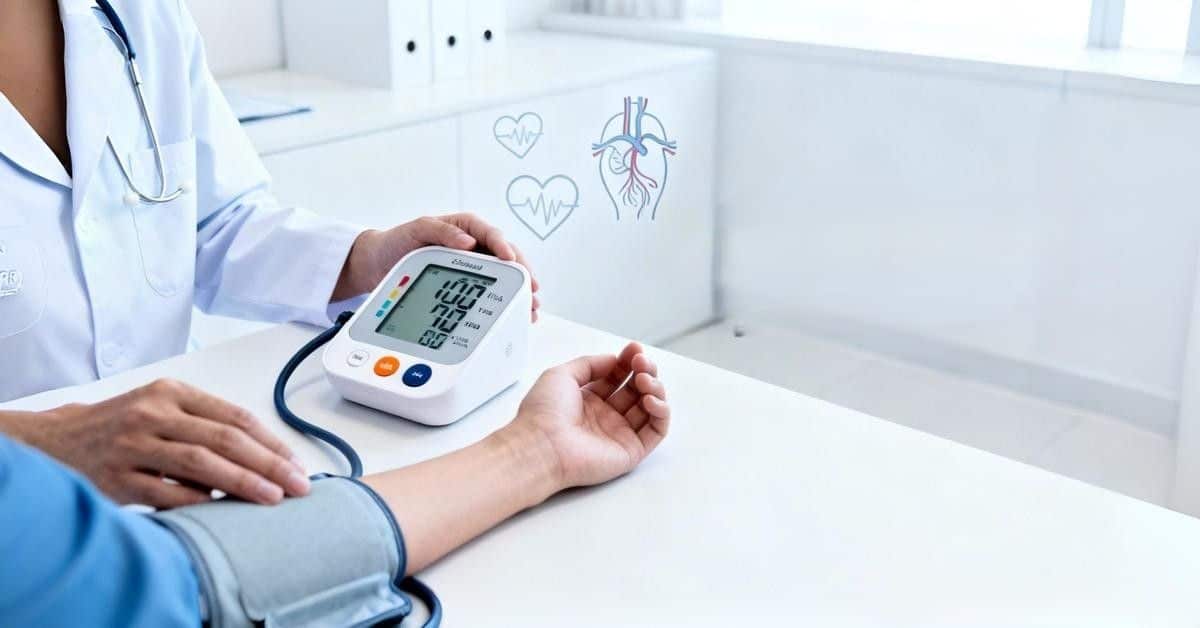
Home blood pressure monitoring is strongly recommended for ongoing management and accuracy.
Additional Tests Doctors May Order
- Blood tests
- Urine analysis
- ECG or echocardiogram
- Kidney function tests
These help identify complications or secondary causes.
The Long-Term Dangers of Uncontrolled Hypertension
Uncontrolled hypertension dramatically increases the risk of life-threatening conditions.
Major Health Complications
- Heart attack and heart failure
- Stroke and transient ischemic attacks
- Kidney failure
- Vision impairment or blindness
- Sexual dysfunction
- Cognitive decline and dementia
The good news: early control significantly reduces these risks.
The good news is that early control significantly reduces these risks. According to global health data from the World Health Organization (WHO), high blood pressure is a leading cause of premature death worldwide, affecting more than one billion adults and contributing to millions of preventable cardiovascular events each year.
Proven Ways to Control and Lower High Blood Pressure
Lifestyle Changes That Truly Work
Scientific evidence consistently shows that lifestyle modification can lower blood pressure as effectively as medication in many cases.
Key strategies include:
- Reducing salt intake
- Eating a DASH-style diet
- Exercising at least 150 minutes per week
- Losing excess weight
- Limiting alcohol consumption
- Managing stress effectively
- Quitting smoking
The Role of Medication
When lifestyle changes are insufficient, doctors prescribe medications such as:
- ACE inhibitors
- Calcium channel blockers
- Diuretics
- Beta-blockers
Medication choice depends on age, medical history, and risk profile.
Real-World Example: Early Control Saves Lives
A 45-year-old office worker with no symptoms discovered elevated blood pressure during a routine checkup. With dietary changes, regular walking, and stress management, he avoided lifelong medication and reduced his cardiovascular risk dramatically. Early detection changes outcomes.
Prevention Strategies for Long-Term Heart Health
Preventing hypertension is easier than treating it.
Preventive steps include:
- Regular blood pressure screening
- Healthy eating habits from early adulthood
- Maintaining a healthy weight
- Staying physically active
- Prioritizing sleep quality
Prevention protects not only the heart but the entire body.
FAQs
1. What is high blood pressure and why is it dangerous?
High blood pressure is persistently elevated pressure in the arteries, increasing the risk of heart disease, stroke, and organ damage.
2. What is considered normal blood pressure?
Normal blood pressure is below 120/80 mmHg for most adults.
3. Can high blood pressure go away naturally?
In early stages, lifestyle changes can significantly lower or normalize blood pressure.
4. What are the main symptoms of high blood pressure?
Most people have no symptoms, but severe cases may cause headaches, dizziness, or vision problems.
5. How often should blood pressure be checked?
At least once a year for healthy adults, and more frequently for those with risk factors.
6. Is hypertension hereditary?
Genetics play a role, but lifestyle factors strongly influence whether it develops.
7. Can stress cause high blood pressure?
Chronic stress contributes to elevated blood pressure and unhealthy coping behaviors.
8. Does high blood pressure always require medication?
Not always. Many cases respond well to lifestyle modification, especially when detected early.
Conclusion
High blood pressure is a serious but manageable condition. Understanding blood pressure numbers, recognizing risk factors, and taking proactive steps can prevent life-threatening complications. With early detection, informed choices, and consistent management, hypertension does not have to control your future. The most powerful step is awareness — followed by action.

Subscribe to our newsletter for in-depth reviews, honest comparisons, and practical recommendations that help you choose the right products with confidence.
No spam. Just clear, helpful insights—delivered straight to your inbox.