
Buying Guides & Reviews
Men’s Dress Shoes in 2026: How to Choose the Right Pair for Style, Comfort, and Long-Term Value
Jan
Introduction: Men’s Dress Shoes in 2026
Men’s dress shoes are more than a fashion accessory—they are a long-term investment that influences comfort, confidence, and professional perception. In my experience advising professionals on long-term planning and risk management, I have seen how small, repeated decisions—like footwear choices—can affect daily productivity, health outcomes, and even career impressions.
This guide explains how to choose men’s dress shoes with the same disciplined mindset used in financial and risk planning: balancing cost, durability, comfort, and long-term value. You will learn how different styles function in real-world scenarios, how to avoid common buying mistakes, and how to select shoes that align with both professional and lifestyle needs.
Understanding Why Men’s Dress Shoes Matter More Than Most Buyers Realize
Dress shoes sit at the intersection of appearance, health, and long-term cost efficiency. Poor-quality footwear can lead to discomfort, posture issues, and repeated replacement expenses—similar to underinsuring a valuable asset.
From a risk-management perspective, shoes that fail early or cause discomfort introduce hidden costs:
- Medical expenses related to foot or joint strain
- Lost productivity due to discomfort
- Repeated replacement costs over short periods
High-quality dress shoes reduce these risks by offering structural support, breathable materials, and longer usable lifespans.
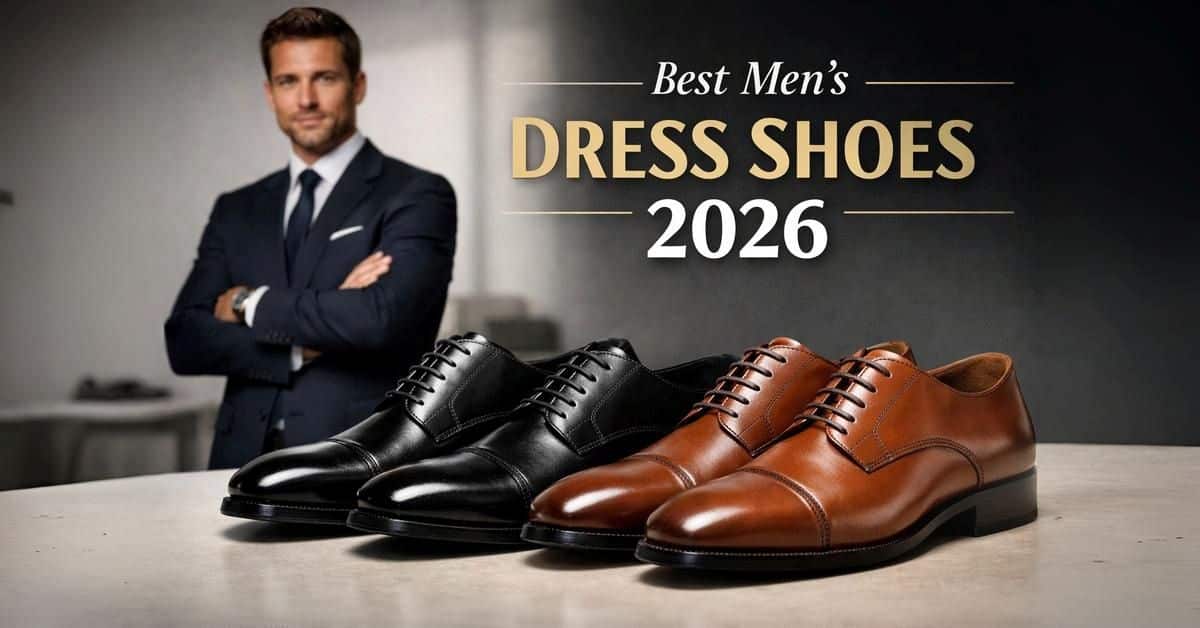
Black Dress Shoes: The Lowest-Risk Choice for Formal Settings
Black dress shoes are the most conservative and versatile option for formal and professional environments. They function much like a stable financial instrument—predictable, reliable, and universally accepted.
In corporate, legal, or executive roles, black shoes signal professionalism and respect for formal norms. They pair well with business suits, evening wear, and formal events where deviation carries reputational risk.
Best use cases include:
- Business meetings and interviews
- Formal ceremonies
- Traditional office environments
While black dress shoes may offer fewer styling variations, their reliability makes them a core wardrobe asset.
Brown Dress Shoes: Strategic Flexibility for Modern Professionals
Brown dress shoes offer greater stylistic flexibility and are increasingly accepted across professional settings. Think of them as a diversified asset: adaptable, visually appealing, and suitable for multiple scenarios.
Brown tones complement navy, gray, and earth-toned outfits, making them ideal for professionals who transition between formal and semi-formal environments.
Advantages include:
- Versatility across business casual and formal looks
- Better concealment of scuffs over time
- Broader outfit pairing options
For professionals who value adaptability without sacrificing credibility, brown dress shoes often provide a higher lifestyle return.
Men’s Dress Boots: Risk Protection for Weather and Long Wear
Mens dress boots combine formal aesthetics with enhanced protection. In regions with colder climates or extended walking requirements, boots function as a practical hedge against environmental risk.
Dress boots offer:
- Additional ankle support
- Improved durability in wet or cold conditions
- Formal styling with increased structural protection
From a long-term planning standpoint, owning at least one pair of dress boots reduces dependency on delicate footwear during adverse conditions.
Comfortable Dress Shoes for Men: A Health-First Investment
Comfort is not a luxury—it is a preventive measure. Comfortable dress shoes for men reduce stress on joints, improve posture, and support extended daily wear.
In advisory work, discomfort-related distractions mirror financial inefficiencies: small daily issues that compound over time. Footwear with proper cushioning, arch support, and breathable lining significantly reduces these cumulative effects.
Key comfort indicators include:
- Cushioned insoles with shock absorption
- Anatomical footbeds
- Flexible outsoles that support natural movement
Comfort-focused shoes are especially valuable for professionals who stand, walk, or commute extensively.
Best Dress Shoes for Men: Evaluating Value Beyond Price
The best dress shoes for men are not defined by price alone. True value considers durability, comfort, adaptability, and cost per use.
A higher-priced shoe worn comfortably for several years often costs less per wear than a cheaper option replaced frequently. This mirrors long-term financial planning principles where upfront investment reduces future liabilities.
Evaluation criteria should include:
- Material quality
- Construction method
- Fit consistency
- Maintenance requirements
Well-constructed shoes deliver predictable performance, lower long-term costs, and better overall satisfaction.
Cheap Dress Shoes: When Budget Choices Make Sense
Cheap dress shoes are appropriate in limited scenarios, such as short-term events, occasional wear, or early career transitions. However, buyers should understand the trade-offs.
Lower-cost shoes often involve:
- Reduced durability
- Limited comfort support
- Shorter usable lifespan
From a risk perspective, they should be treated as temporary solutions rather than long-term assets. Strategic buyers use budget shoes selectively while planning future upgrades.
How to Choose Dress Shoes Using a Financial Planning Framework
Applying a structured decision model improves outcomes:
- Assess usage frequency – daily, weekly, or occasional
- Evaluate environment – office, outdoor, formal, mixed
- Estimate cost per wear – long-term value calculation
- Factor comfort and health impact – risk mitigation
This approach ensures dress shoes align with both lifestyle and long-term efficiency goals.
Arbsbuy Linking for Smart Buyers
For readers exploring quality footwear options:
- Visit the homepage to understand brand values and guarantees
Strategic internal navigation improves decision confidence and reduces return risk.
6. FAQs: Men’s Dress Shoes
What are the best men’s dress shoes for daily office wear?
Shoes with strong arch support, breathable materials, and durable soles provide the best balance for daily use.
Are black dress shoes still required for professional settings?
In traditional industries, yes. However, brown men’s dress shoes are increasingly acceptable in modern workplaces.
How long should men’s dress shoes last?
With proper care, quality men’s dress shoes can last several years, making them a long-term investment.
Are comfortable dress shoes for men worth the higher price?
Yes. Comfort reduces health risks and improves daily productivity, offering strong long-term value.
Can cheap dress shoes be a smart choice?
They can work for short-term or infrequent use but are not ideal for daily wear.
How many pairs of dress shoes should a man own?
At minimum, one black pair and one brown pair. Adding dress boots improves versatility.
Do men’s dress shoes affect posture and health?
Yes. Poor footwear can contribute to joint pain and fatigue over time.
External References
- https://www.apma.org (foot health and footwear support)
- https://www.health.harvard.edu (posture and joint health insights)
- https://www.bls.gov (workplace attire and professional standards)

Subscribe to receive in-depth reviews, honest comparisons, and practical recommendations that help you choose the right products with confidence.
Newsletter coming soonNo spam. No hype. Just clear, helpful insights.