
Buying Guides & Reviews
Diamond Engagement Rings: A Practical, Expert-Led Guide to Buying With Confidence
Jan
Introduction
Diamond engagement rings are not just symbols of commitment—they are significant financial purchases that combine emotion, long-term value, and personal risk. From a financial-planning perspective, choosing the right ring involves the same principles used in insurance, asset protection, and smart consumer decision-making.
As someone who regularly advises clients on high-value purchases, risk mitigation, and long-term financial planning, I approach diamond engagement rings differently. The goal is not only to buy something beautiful, but to make a sound, informed, and protected investment that aligns with both emotional intent and financial reality.
This guide explains how to choose diamond engagement rings strategically, compare materials and styles, manage costs responsibly, and protect your purchase—without sales pressure or hype.
Understanding the True Value of Diamond Engagement Rings
When clients evaluate diamond engagement rings, the most common mistake is focusing only on appearance. From a planning standpoint, value is a blend of quality, durability, resale considerations, and insurability.
Diamonds are priced primarily on the well-known “four Cs”: cut, color, clarity, and carat weight. Among these, cut—particularly in a round brilliant cut diamond ring—has the greatest impact on brilliance and perceived quality.
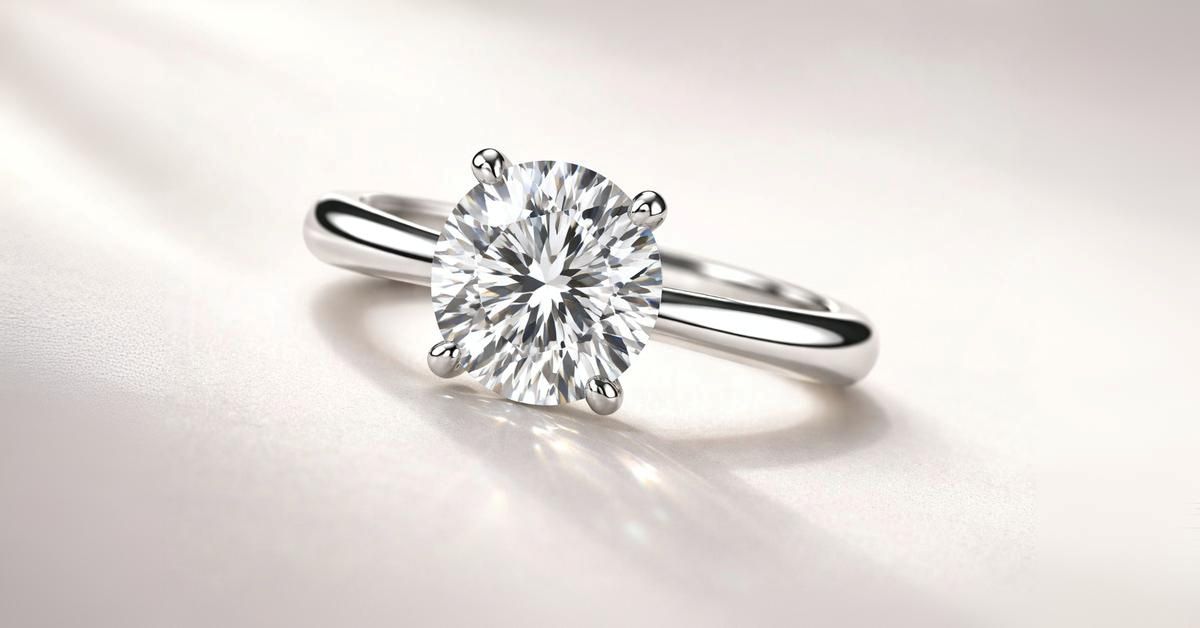
However, value also depends on how the ring is set and worn over time. A solitaire engagement ring, for example, minimizes metal costs and emphasizes the diamond itself, making it easier to insure and appraise accurately.
According to data from the Gemological Institute of America (https://www.gia.edu), well-cut diamonds consistently retain stronger market confidence than poorly cut stones with higher carat weight.
Budgeting for an Engagement Ring Like a Financial Planner
A disciplined approach to diamond engagement rings begins with budget planning. Contrary to outdated marketing myths, there is no financial rule requiring a fixed percentage of income.
Instead, I advise clients to assess three factors:
- Disposable income after essential expenses
- Short-term financial obligations (weddings, housing, relocation)
- Long-term priorities such as savings, insurance, and emergency funds
A 14k gold engagement ring often represents an optimal balance between durability, affordability, and aesthetic appeal. From a cost-control perspective, 14k gold is less prone to scratching than higher-purity gold and typically carries lower replacement premiums.
Moreover, choosing a ring within budget reduces financial stress during a period that should remain emotionally positive.
Choosing the Right Setting and Metal for Long-Term Wear
From a durability and risk-management standpoint, the metal choice matters as much as the diamond.
Platinum engagement rings are highly valued for strength, hypoallergenic properties, and resistance to wear. Although platinum costs more upfront, it often requires fewer long-term repairs, which can offset initial expense.
Gold settings—particularly 14k gold engagement ring designs—remain popular due to flexibility in design and lower acquisition costs. However, gold prongs may need periodic inspection, especially for active lifestyles.
A solitaire engagement ring is often the safest structural choice. Fewer accent stones mean fewer points of failure and simpler insurance coverage.
Diamond Shape, Cut, and Practical Brilliance
The round brilliant cut diamond ring remains the most searched and widely insured diamond shape. Its symmetrical proportions maximize light return, which increases visual brilliance without requiring higher carat weight.
From a financial standpoint, round brilliant diamonds:
- Are easier to appraise
- Have broader resale markets
- Are more consistently graded
While alternative shapes may offer cost savings, they can introduce valuation variability during insurance renewals or resale.
For buyers prioritizing predictability and long-term satisfaction, round brilliant cut diamonds remain the lowest-risk option.
Comparing Retailers and Online Buying Considerations
The rise of online jewelry platforms has changed how consumers shop for diamond engagement rings. Searches for blue nile engagement rings illustrate how buyers increasingly compare pricing, certifications, and return policies digitally.
When evaluating any retailer, apply the same due-diligence principles used in financial transactions:
- Independent diamond grading reports
- Transparent return and upgrade policies
- Clear warranty and maintenance terms
Authoritative consumer guidance from the Federal Trade Commission (https://www.ftc.gov) emphasizes verifying diamond claims and written documentation—especially for online purchases.
Protecting Your Ring: Insurance and Risk Management
A diamond proposal ring is often worn during travel, public events, and emotionally charged moments—all of which increase loss risk.
From an insurance perspective, engagement rings should be scheduled under a personal articles policy or rider. Standard homeowners insurance often provides limited coverage and higher deductibles.
According to the Insurance Information Institute (https://www.iii.org), scheduled jewelry coverage typically includes:
- Theft
- Loss
- Accidental damage
Proper documentation—including appraisal certificates and purchase receipts—is essential to ensure smooth claims processing.
Making the Proposal Meaningful Without Overspending
Financial planning is not about limiting joy; it is about aligning emotion with sustainability. A diamond proposal ring should reflect intention, not financial strain.
Real-world examples show that couples who prioritize communication over cost report higher satisfaction with their purchase decision. The symbolism of the engagement ring comes from meaning, not price tags.
Selecting a ring that fits your lifestyle, budget, and future goals is ultimately the most responsible—and rewarding—choice.
FAQs: Diamond Engagement Rings
What are diamond engagement rings made of?
Diamond engagement rings typically feature natural or lab-grown diamonds set in gold or platinum bands.
Are diamond engagement rings a good long-term purchase?
While not investments in the traditional sense, well-chosen rings retain emotional and material value when properly insured.
Is a solitaire engagement ring a practical choice?
Yes. Solitaire designs are durable, timeless, and easier to insure and maintain.
Which metal lasts longer, gold or platinum?
Platinum engagement rings generally last longer with less wear, though they cost more upfront.
Why is the round brilliant cut diamond ring so popular?
It maximizes sparkle, is easier to appraise, and has strong market acceptance.
Should a diamond proposal ring be insured immediately?
Yes. Insurance should begin as soon as the ring is purchased or received.
Are blue nile engagement rings reliable?
They are commonly researched due to transparency, but buyers should still compare policies and certifications.
Conclusion
Diamond engagement rings represent one of the most meaningful purchases a person can make. When approached with the same discipline used in financial planning and risk management, the result is a confident decision that balances beauty, value, and long-term security.
By understanding materials, budgeting responsibly, choosing durable designs, and protecting the purchase with proper insurance, buyers can focus on what truly matters—the commitment behind the ring. For those ready to explore options thoughtfully, the next step is education, comparison, and informed action.
Internal Linking Suggestions
- Homepage: https://www.arbsbuy.com/
- Product Page: https://www.arbsbuy.com/product/emerald-ring-certified-three-stone/
- Category Page: https://www.arbsbuy.com/product-category/categories/gemstones-jewelry/

Subscribe to receive in-depth reviews, honest comparisons, and practical recommendations that help you choose the right products with confidence.
Newsletter coming soonNo spam. No hype. Just clear, helpful insights.